Broder Tisser Sublimer. Les Savoir-faire de la Mode
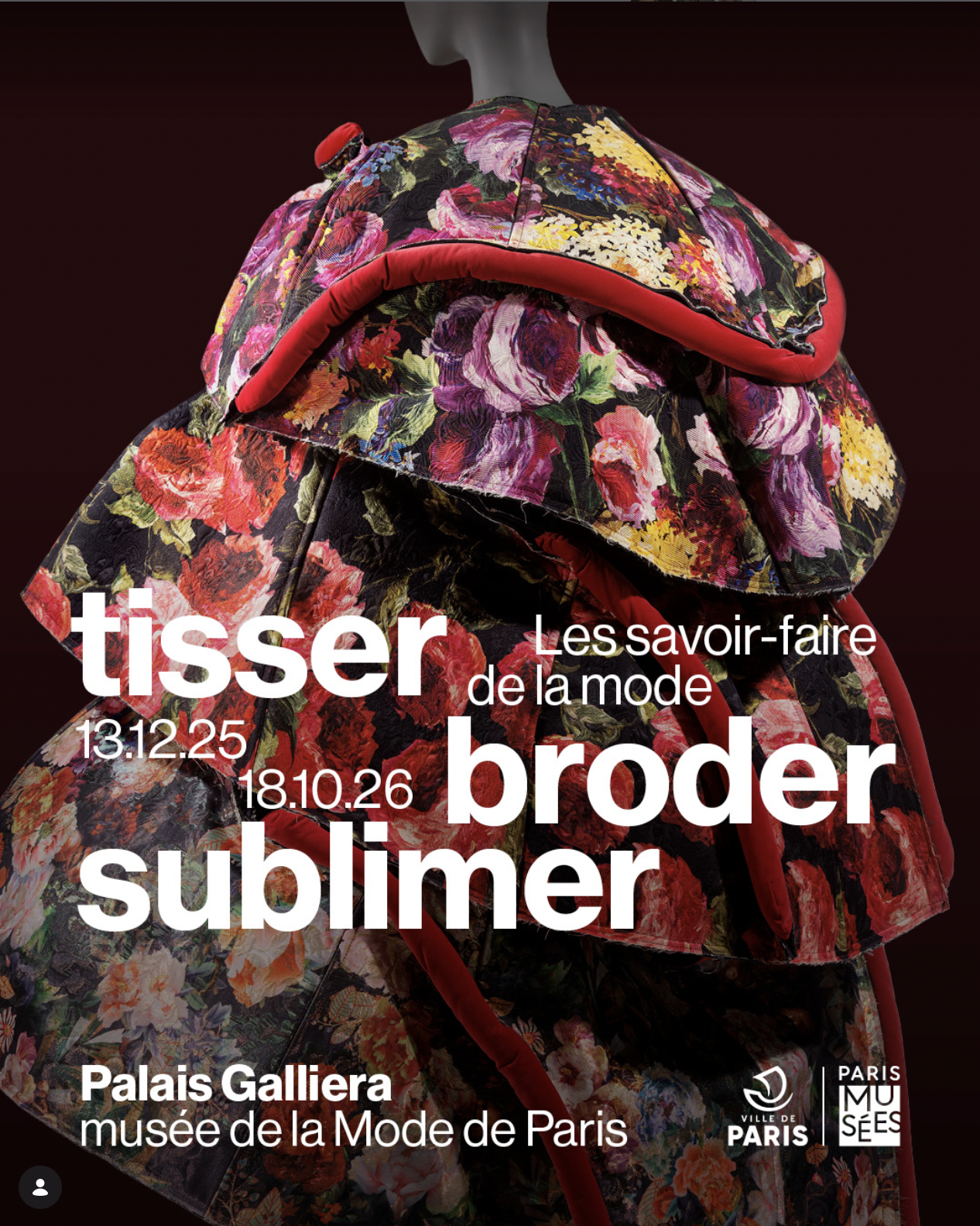
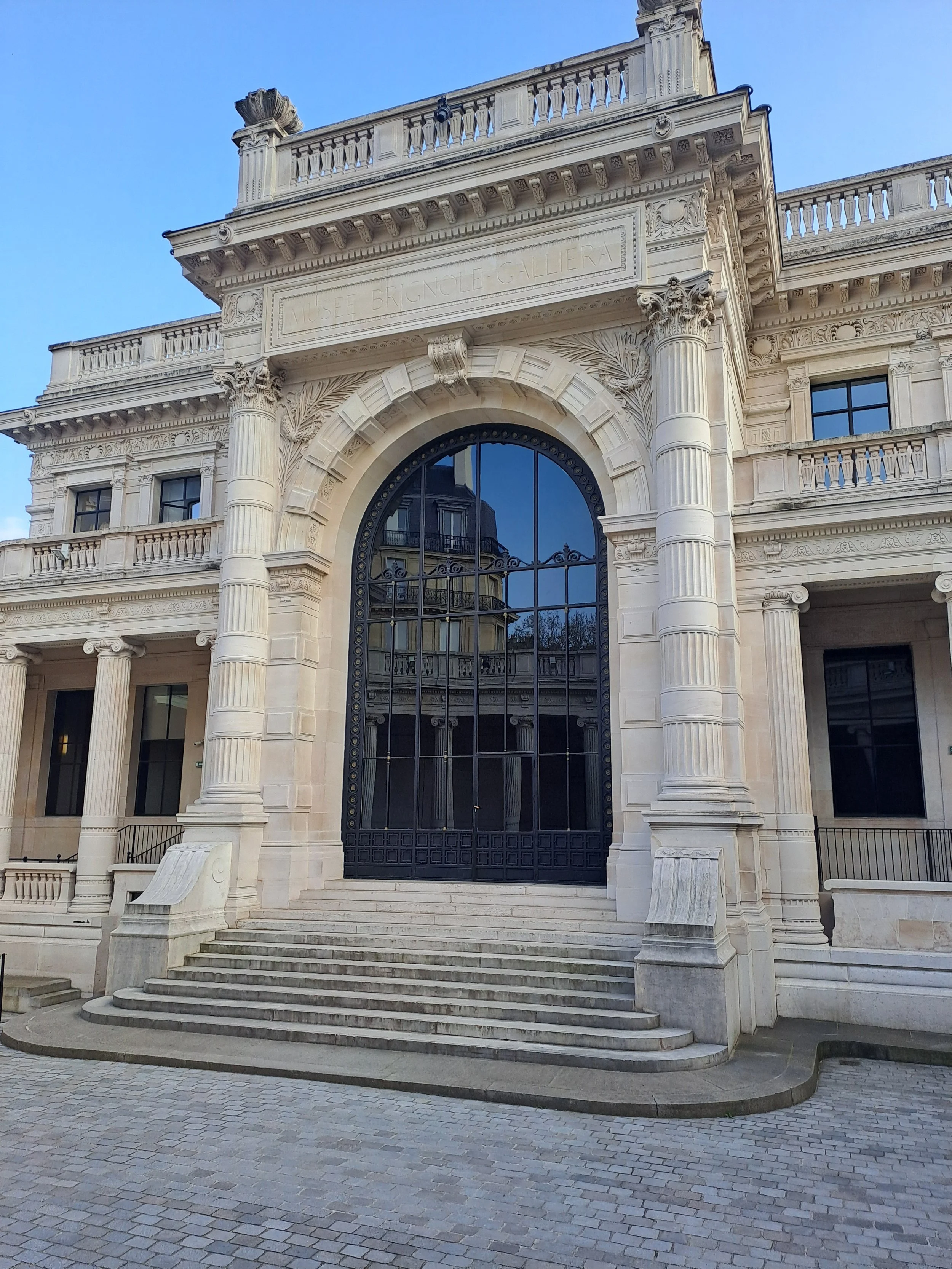
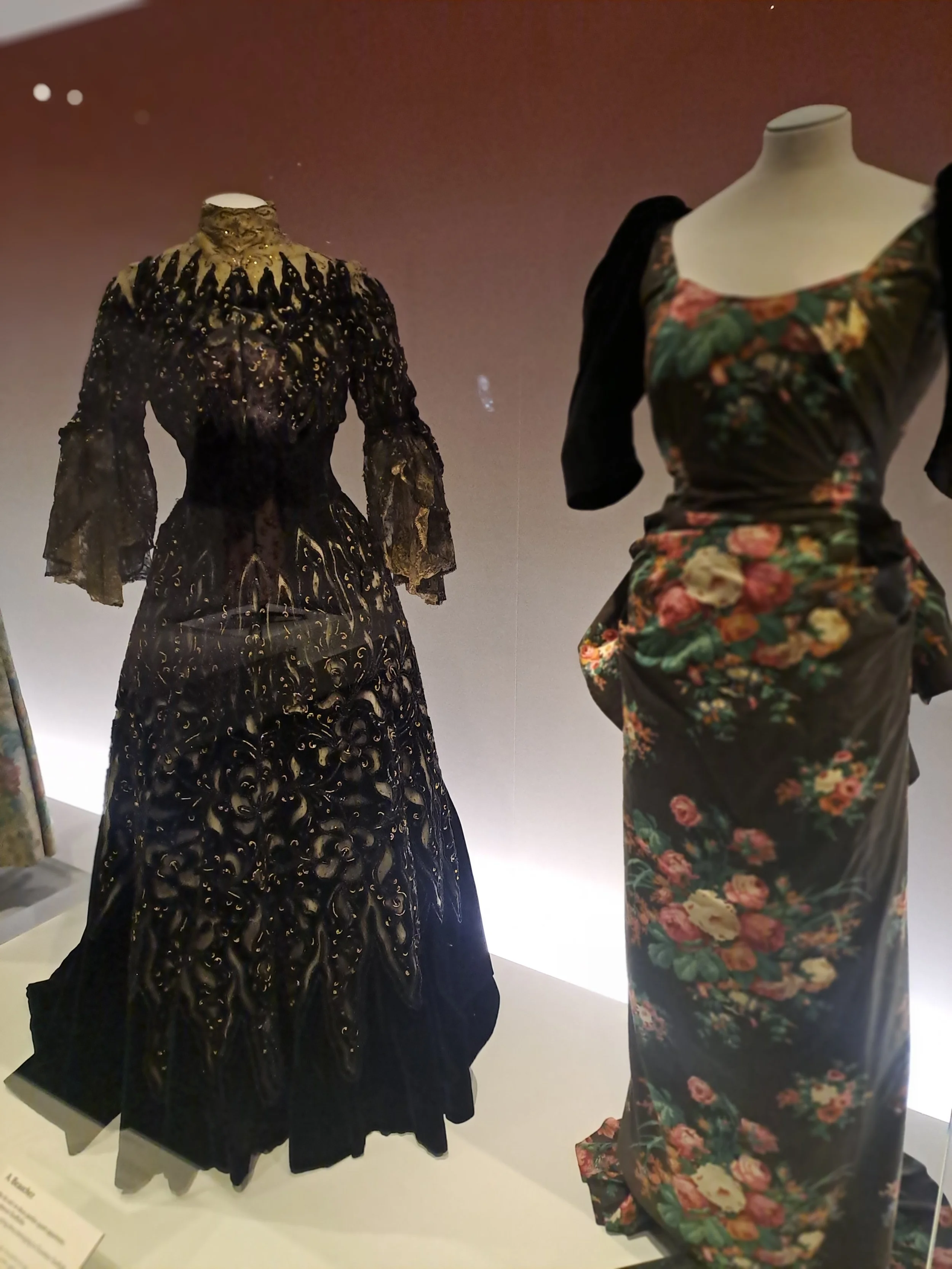
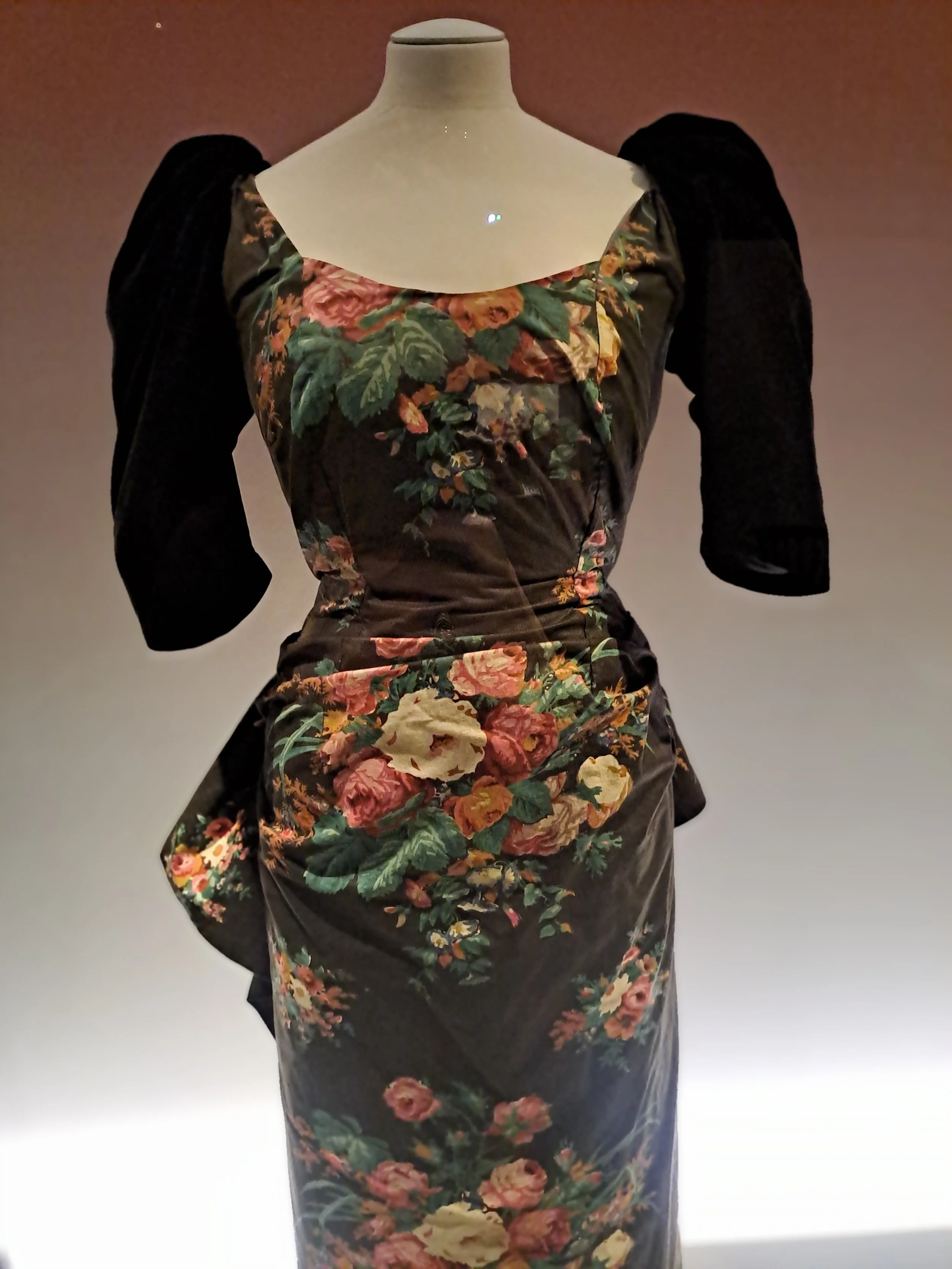
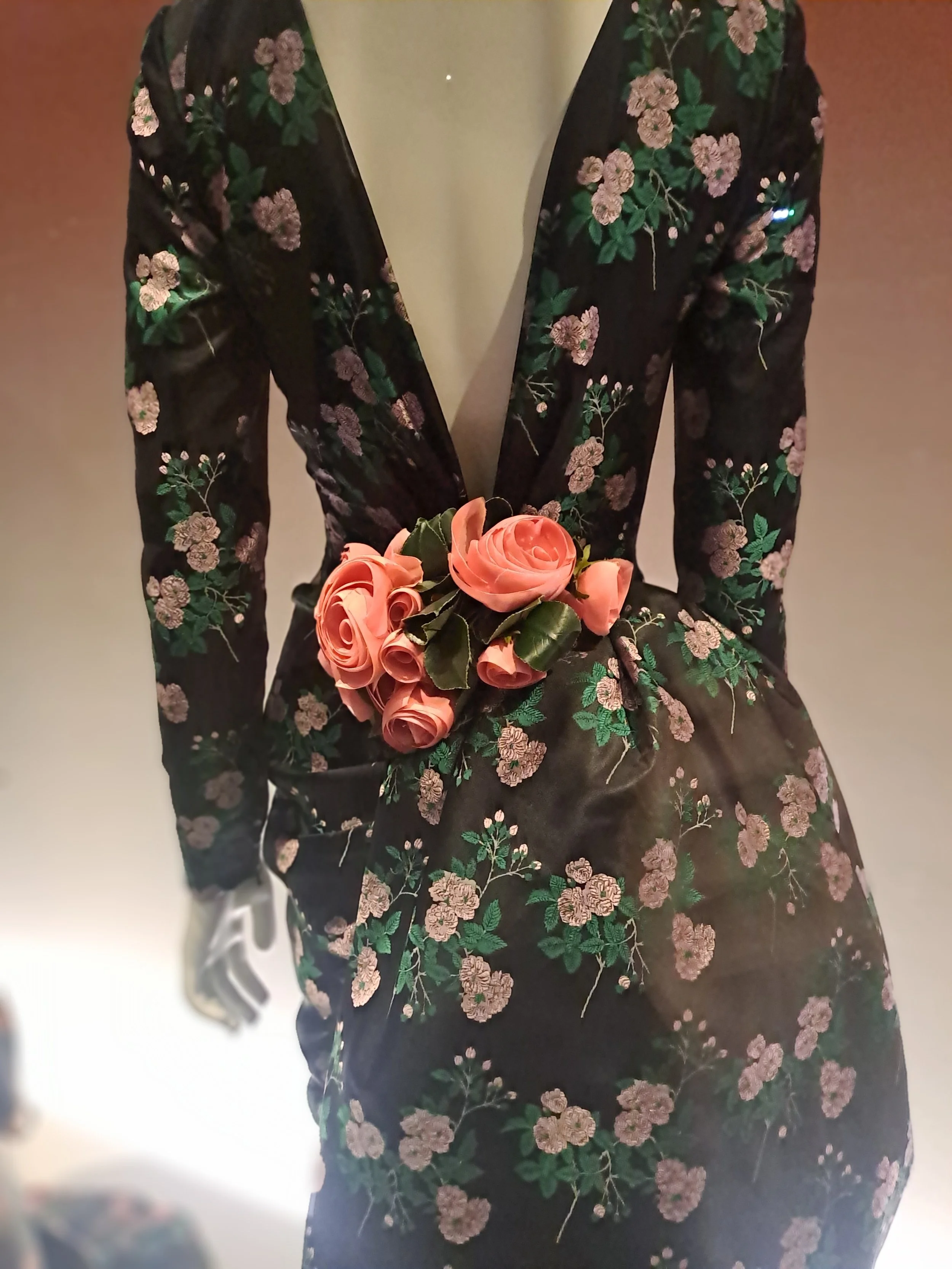
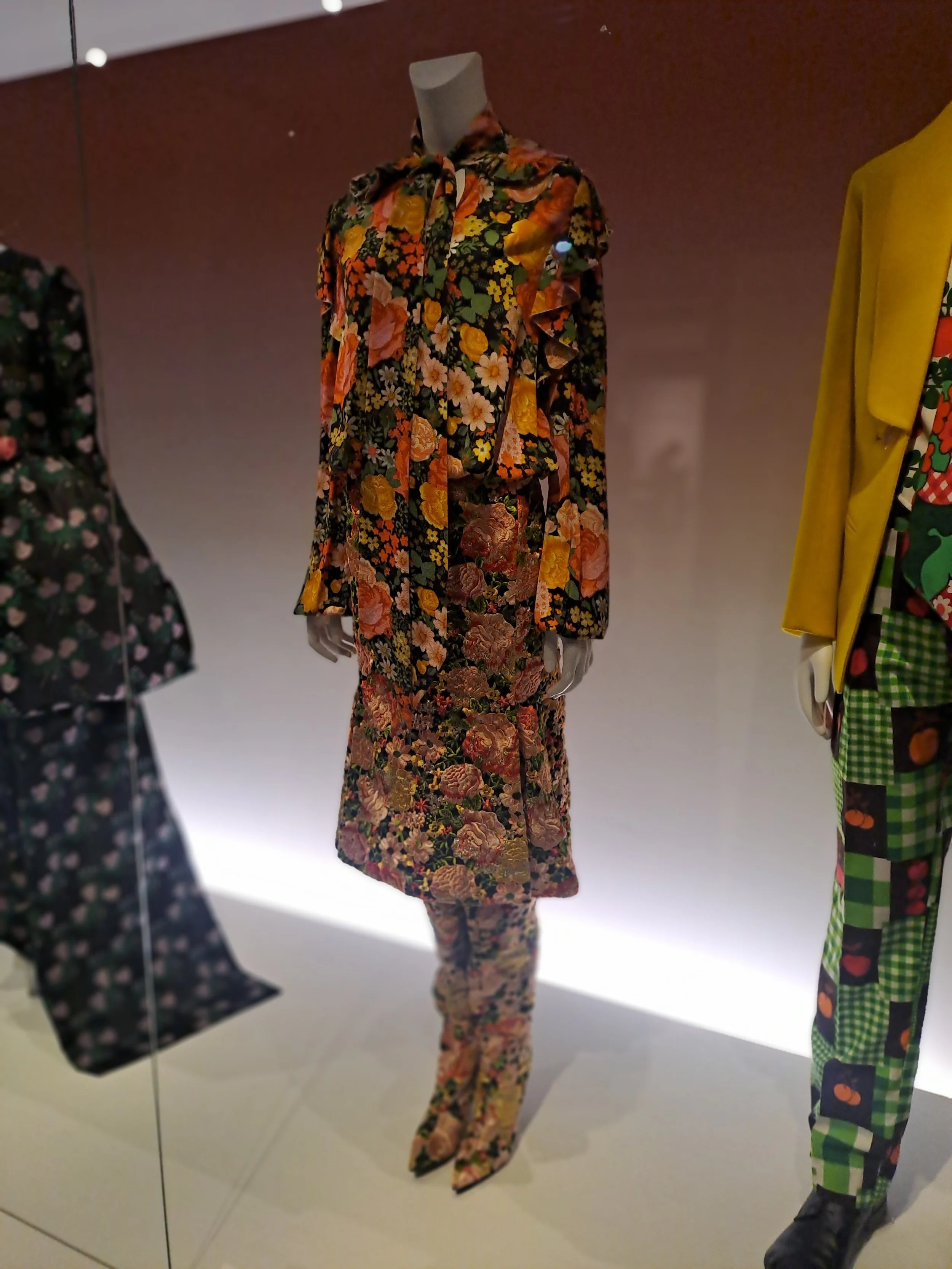
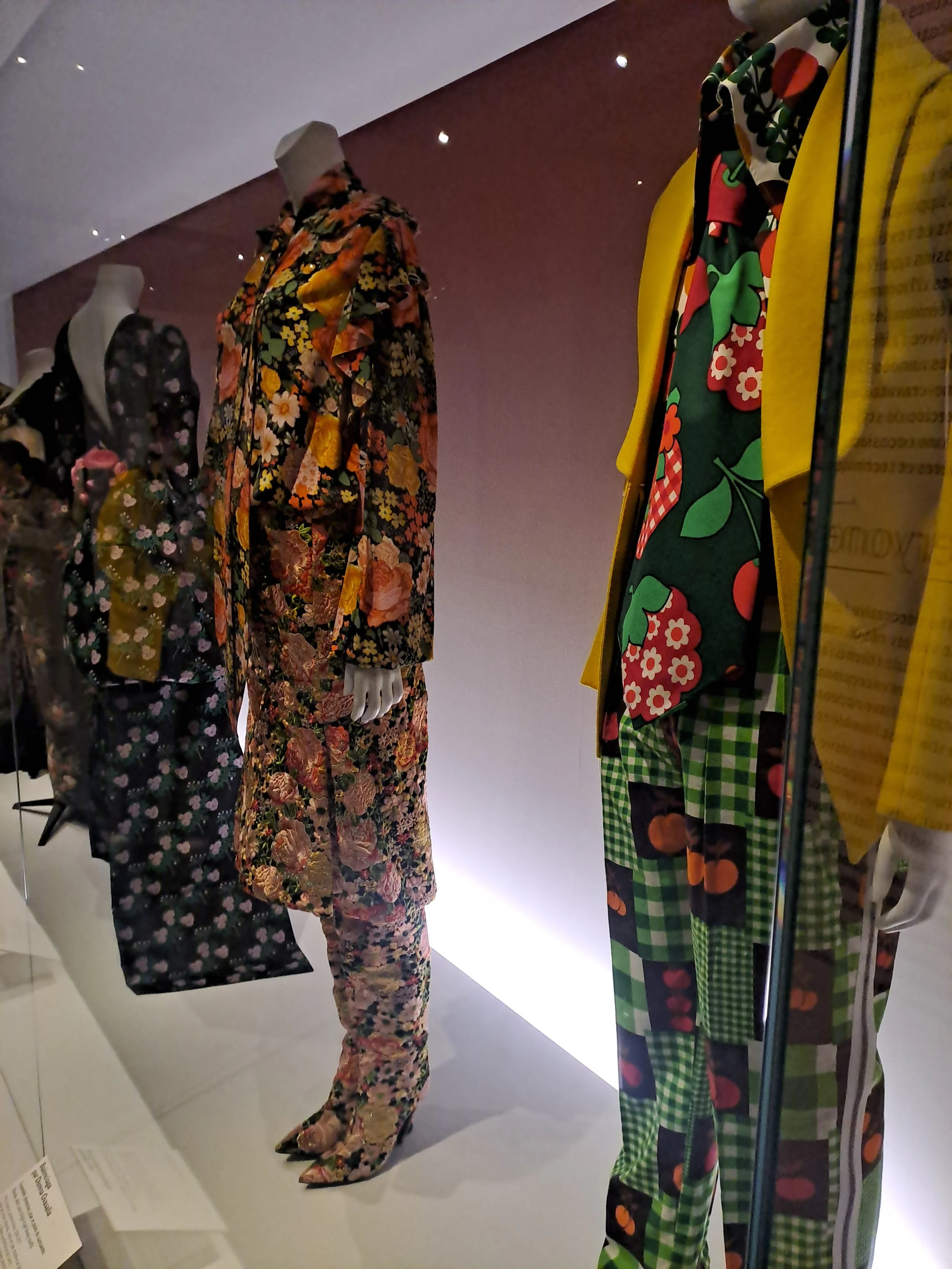
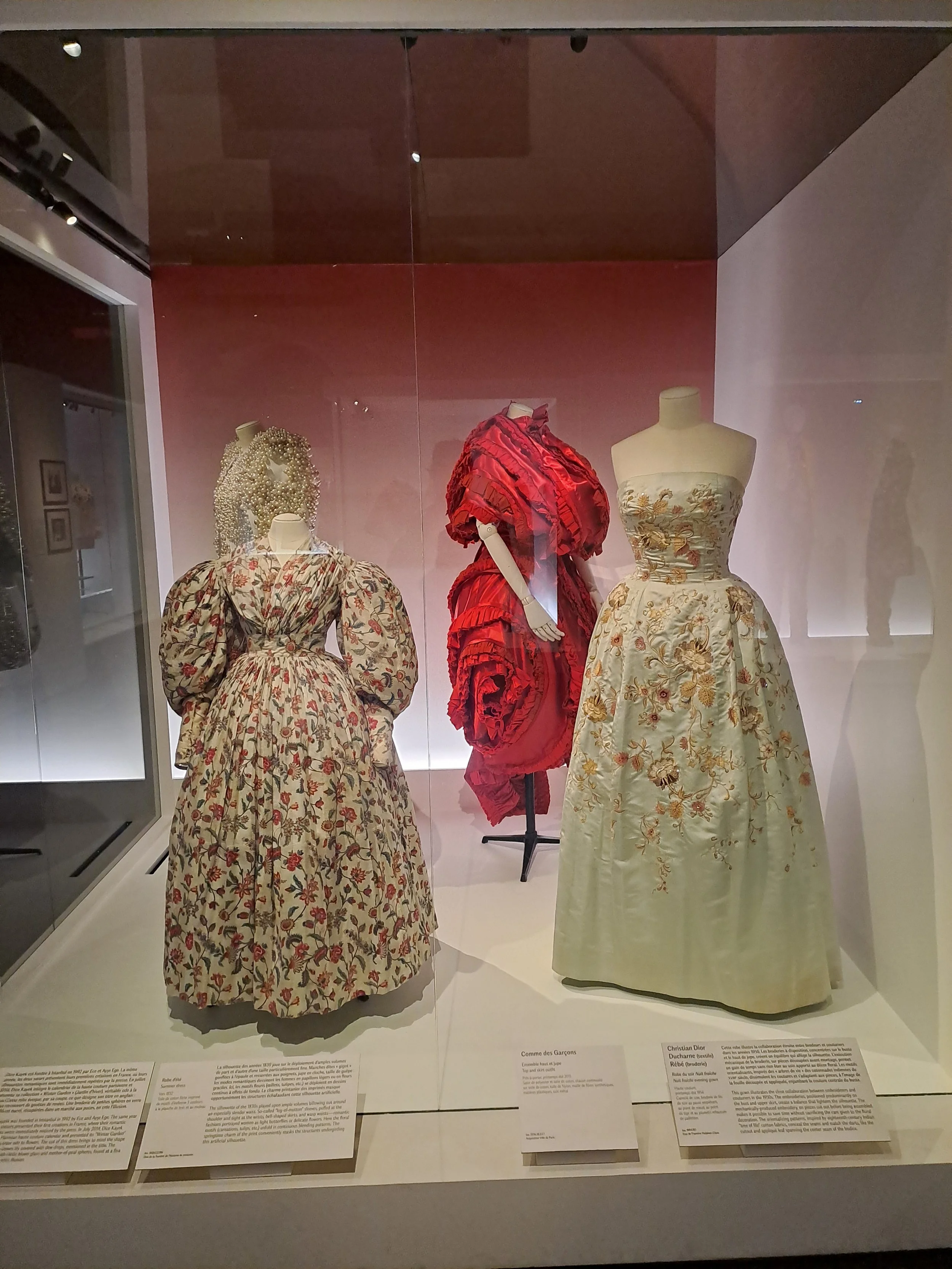
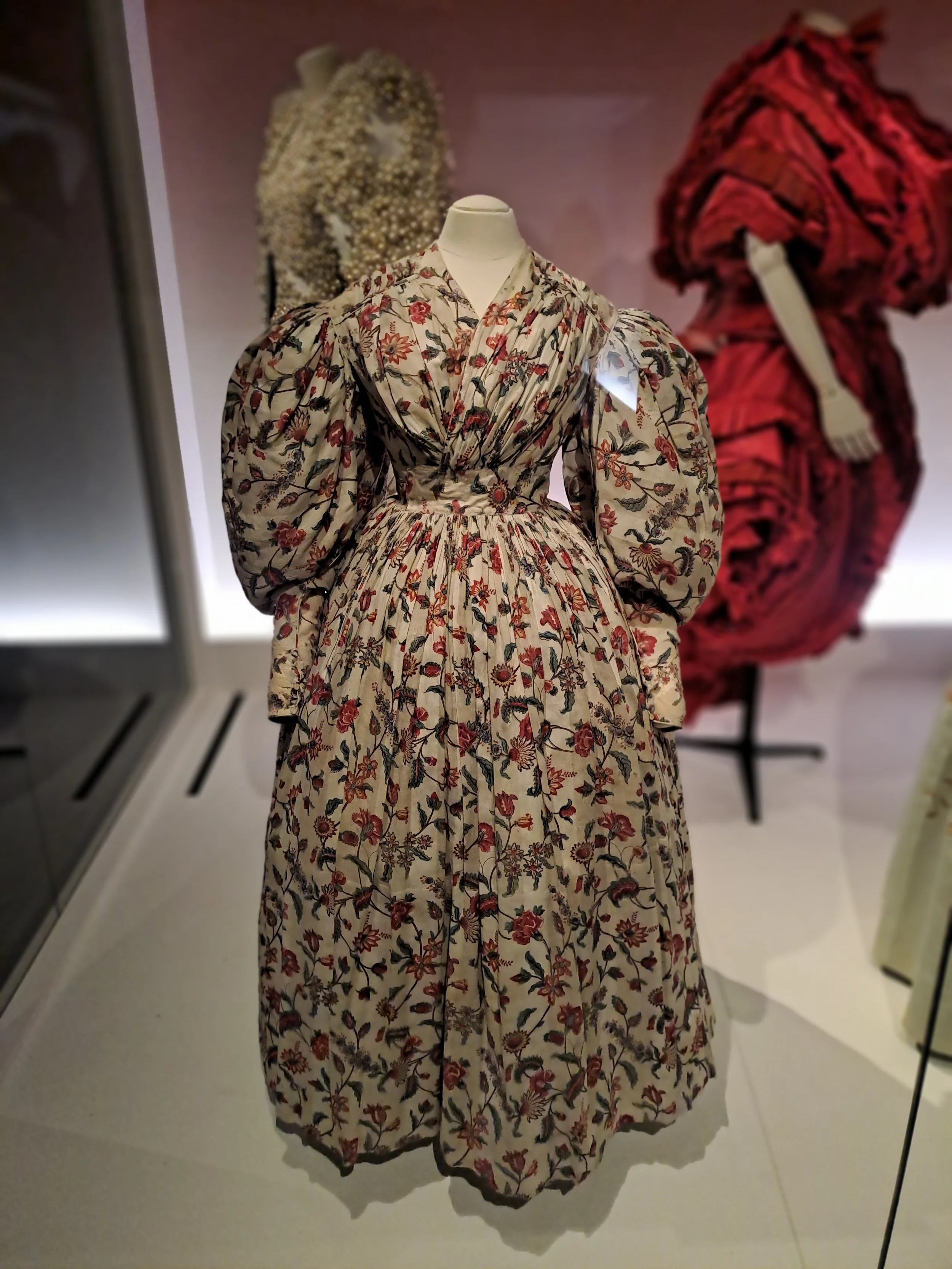
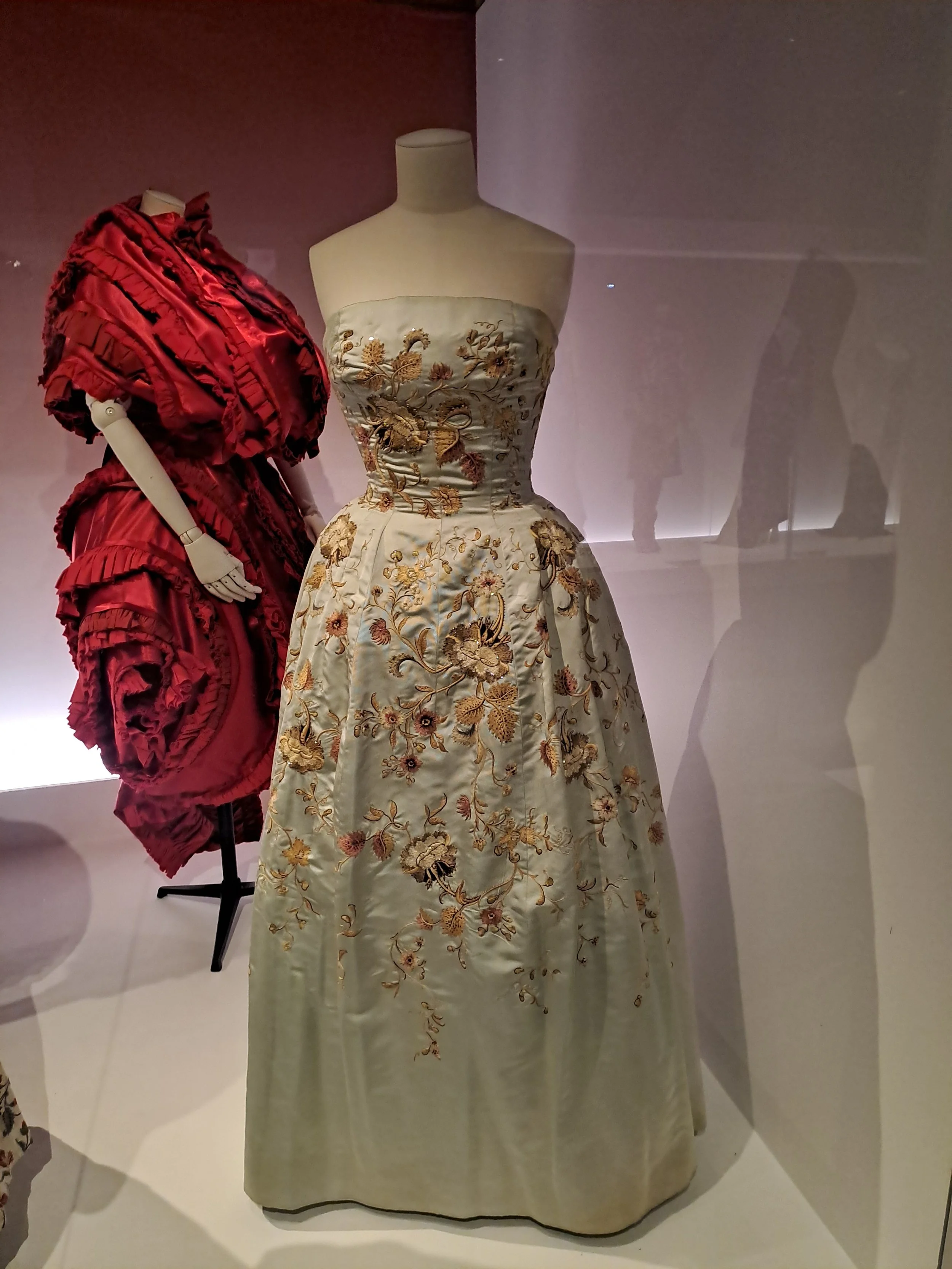
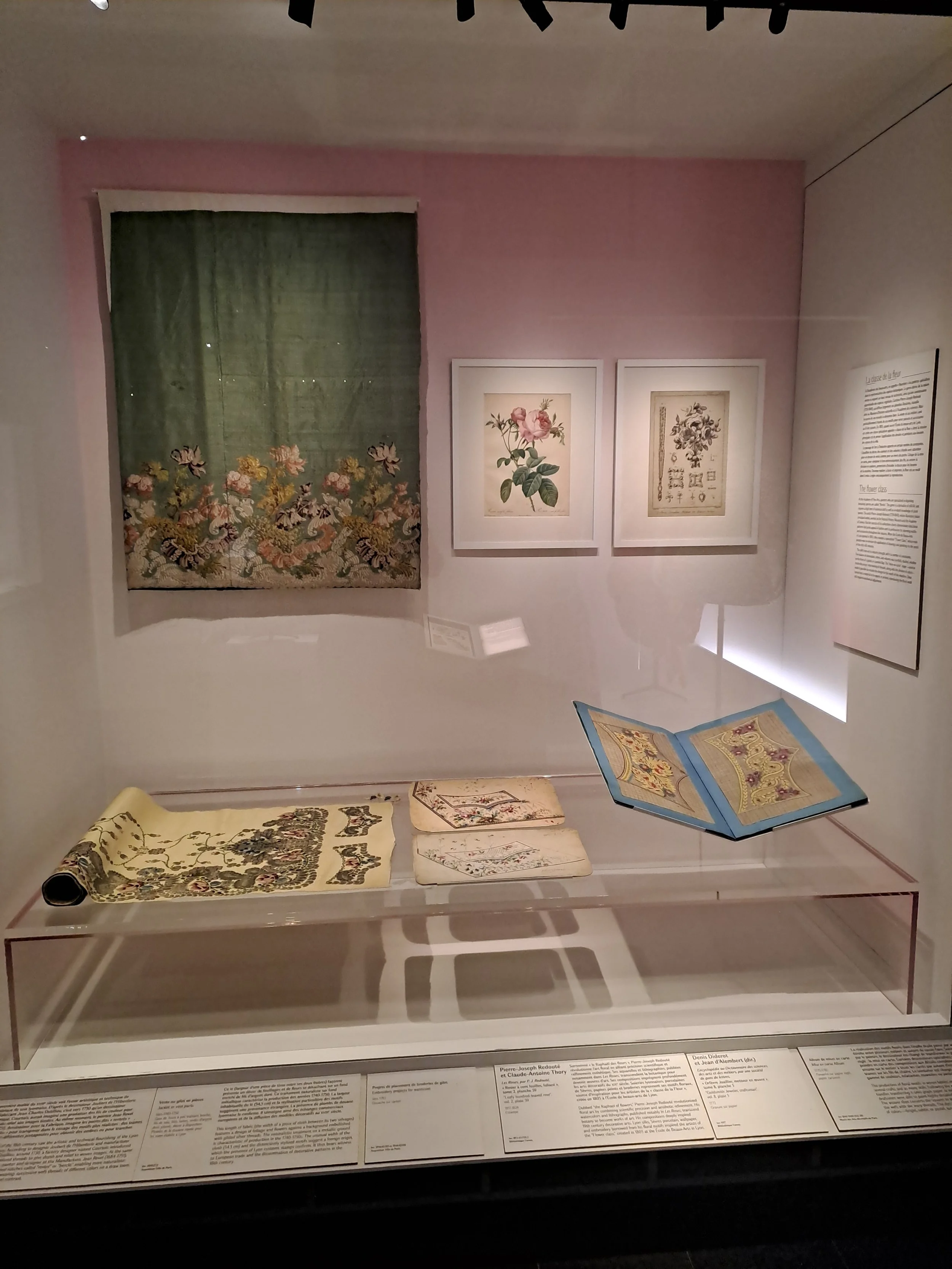
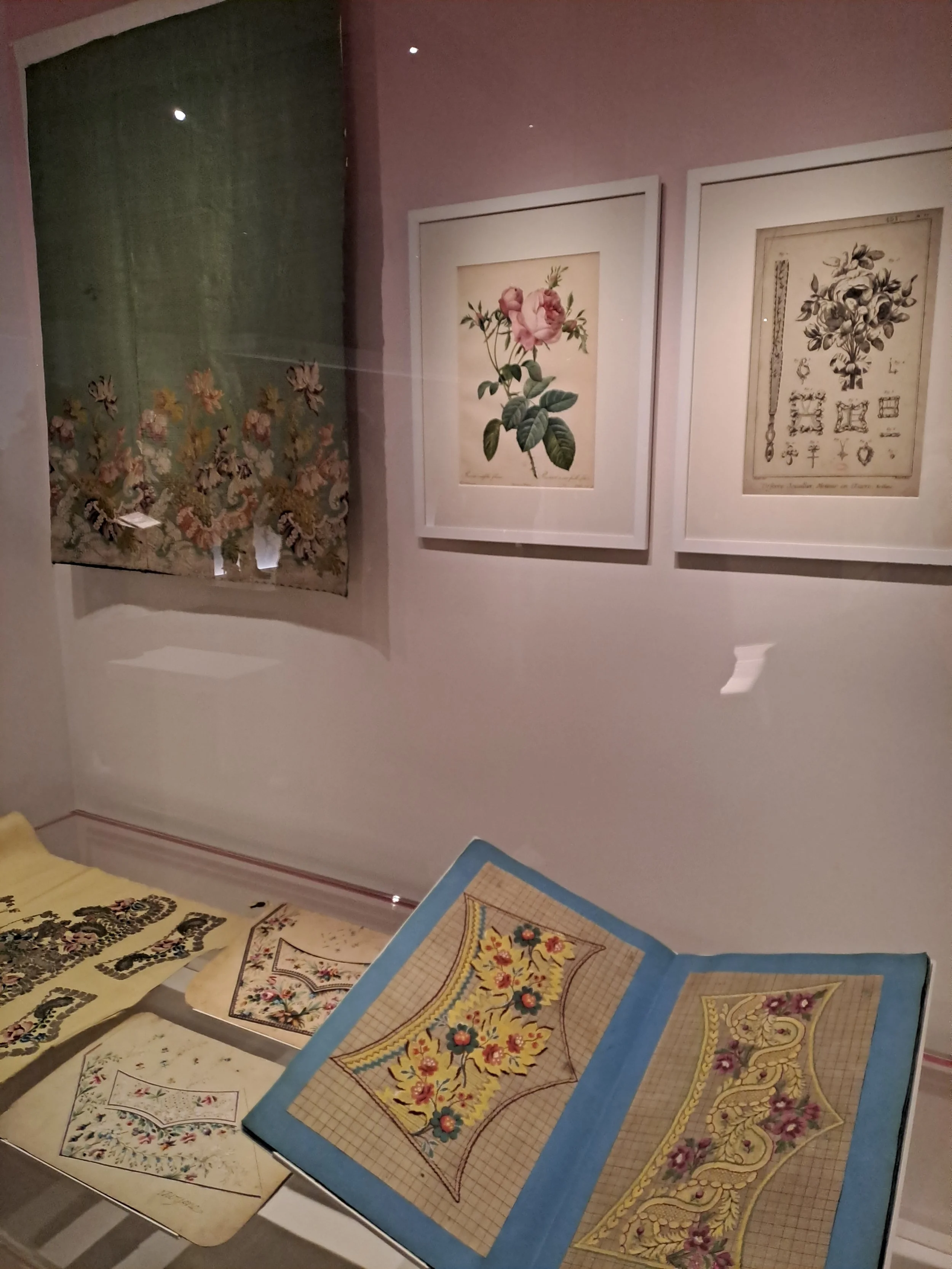
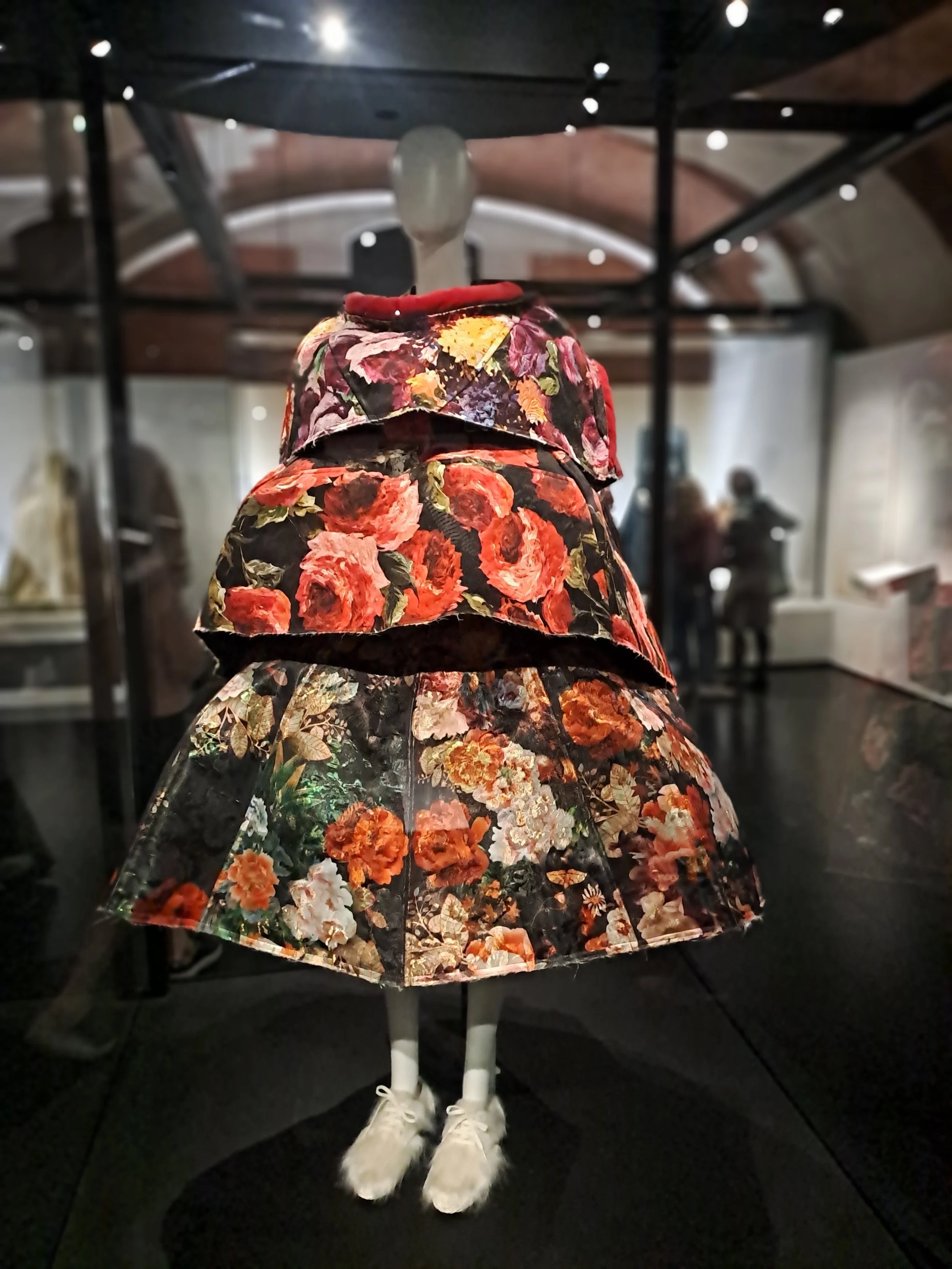
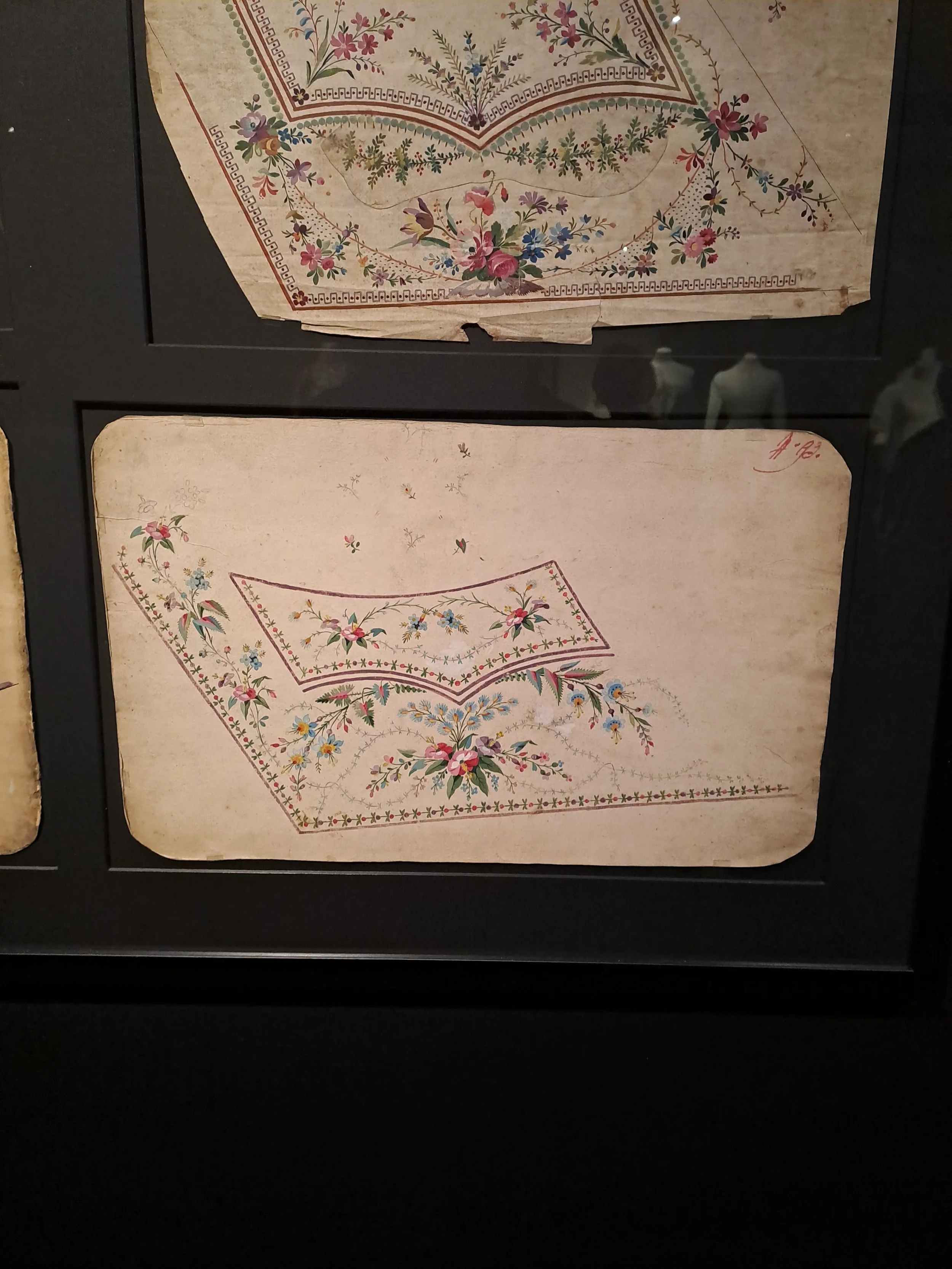
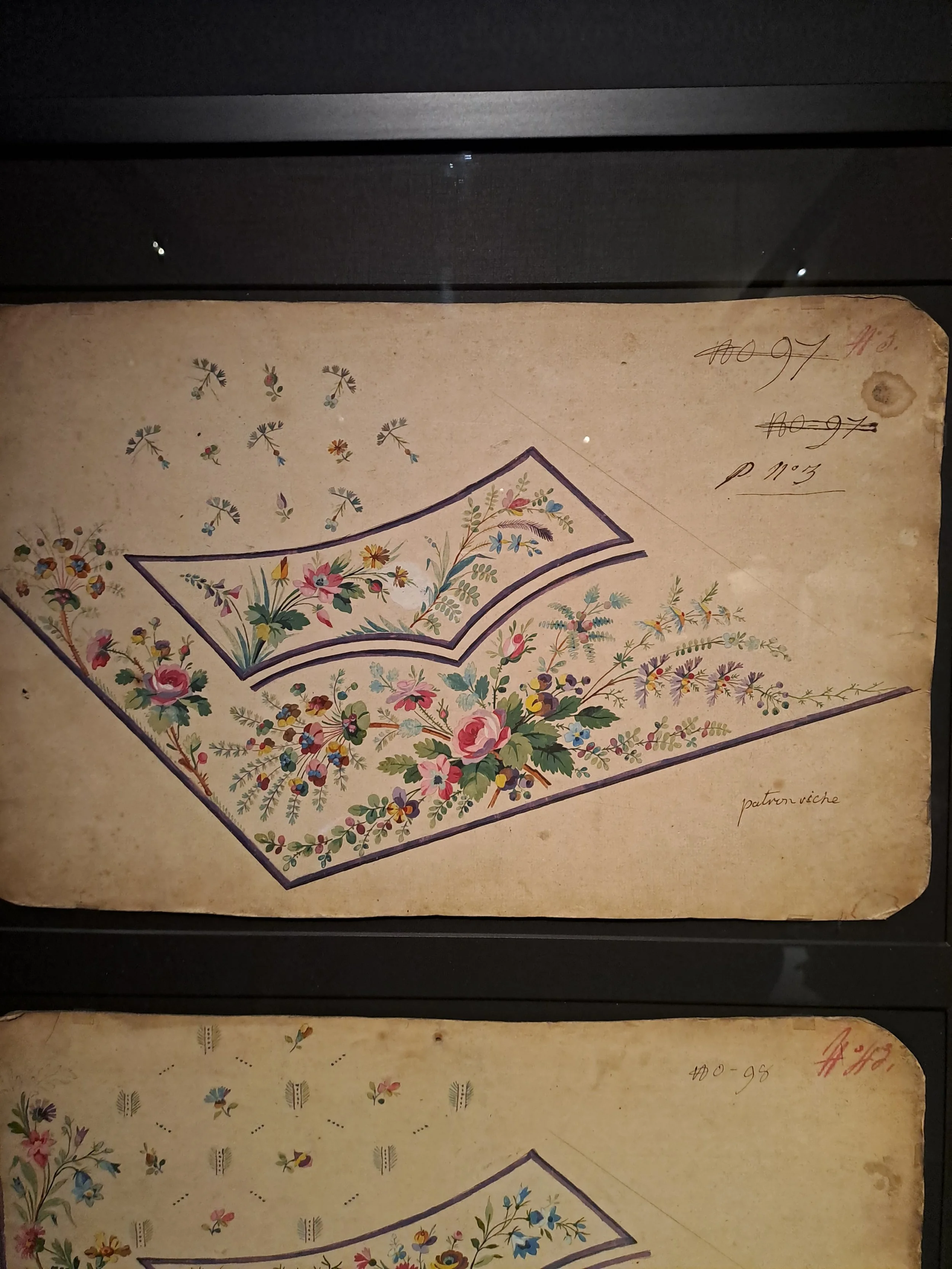
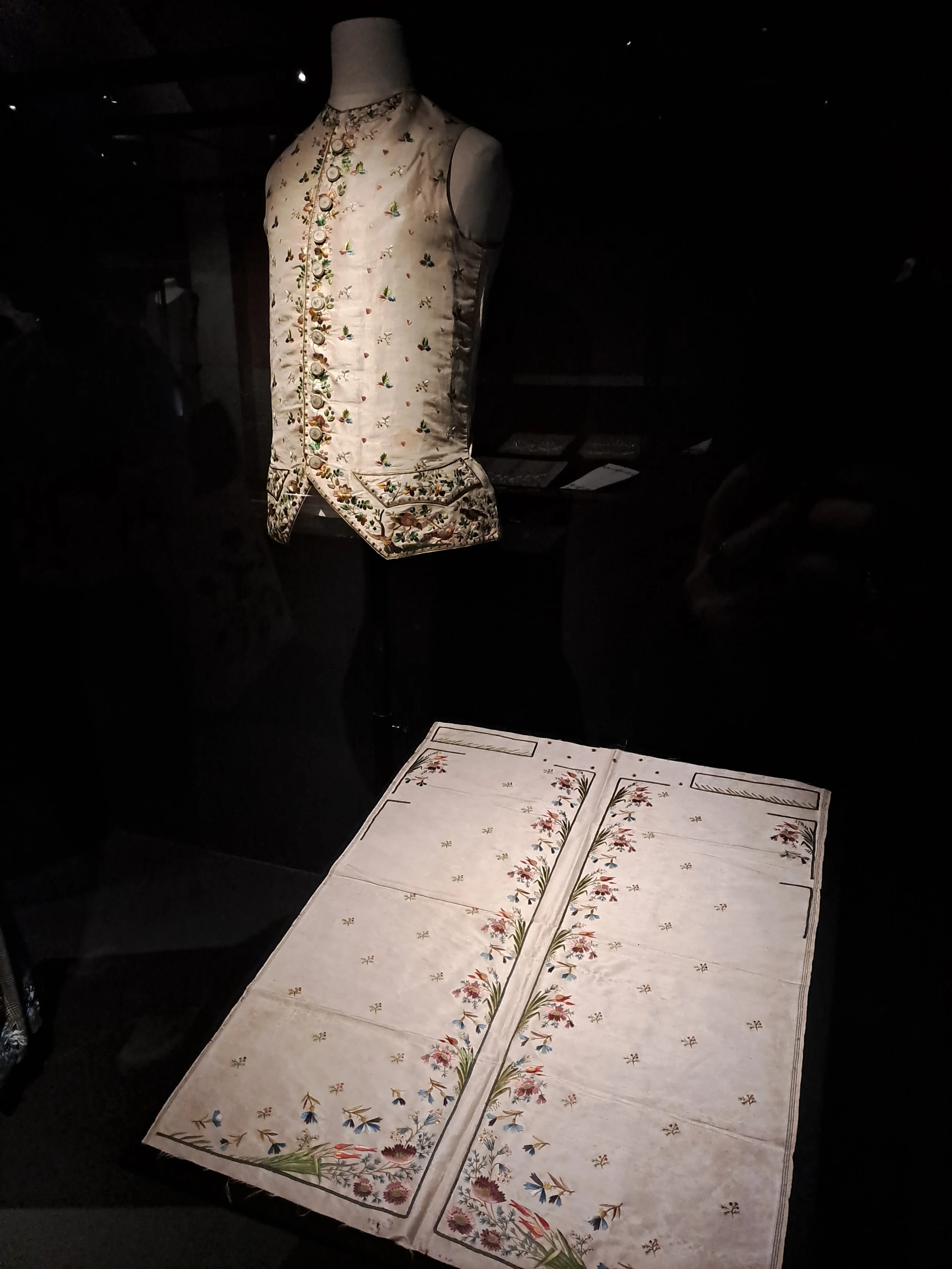
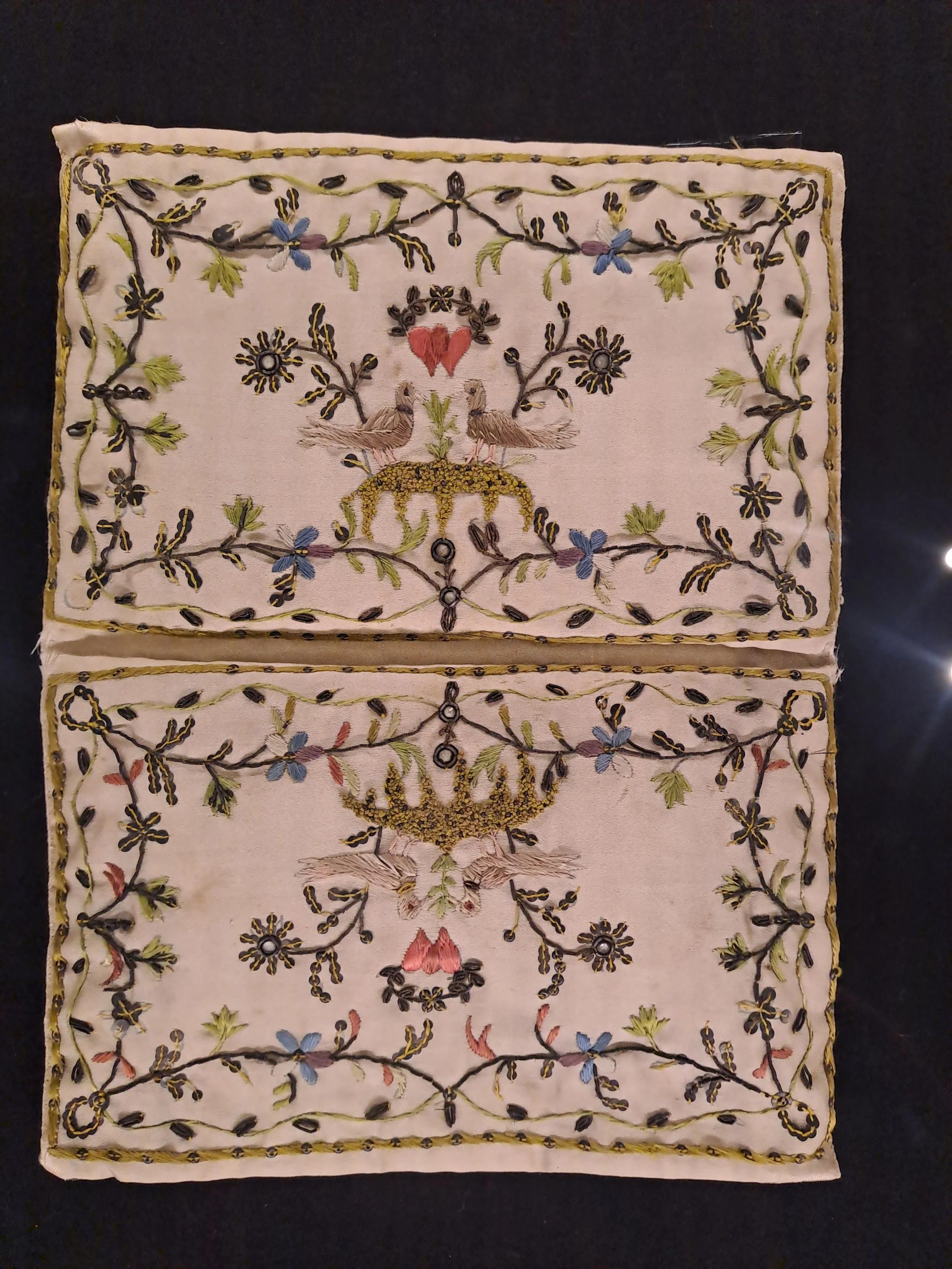
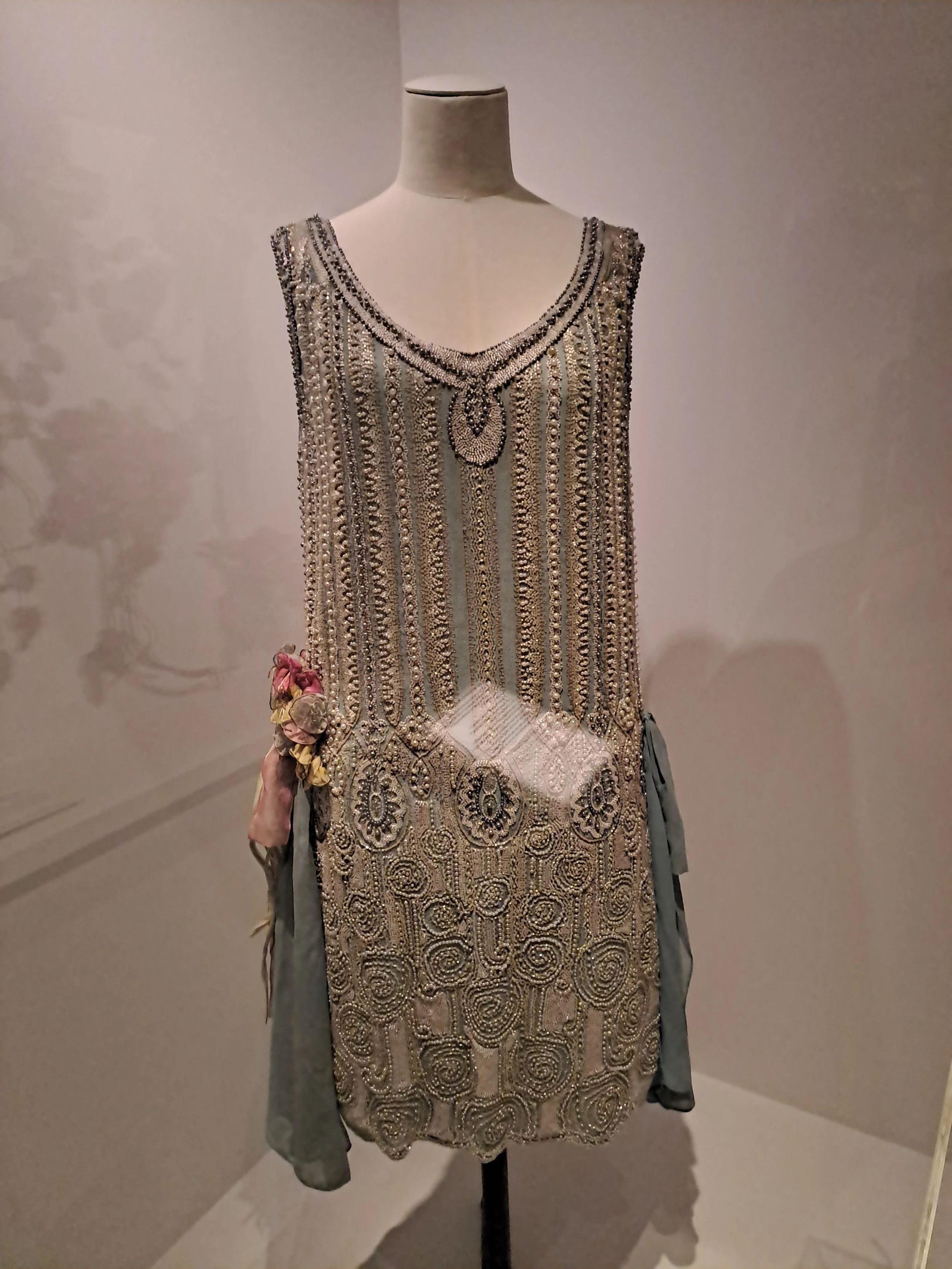
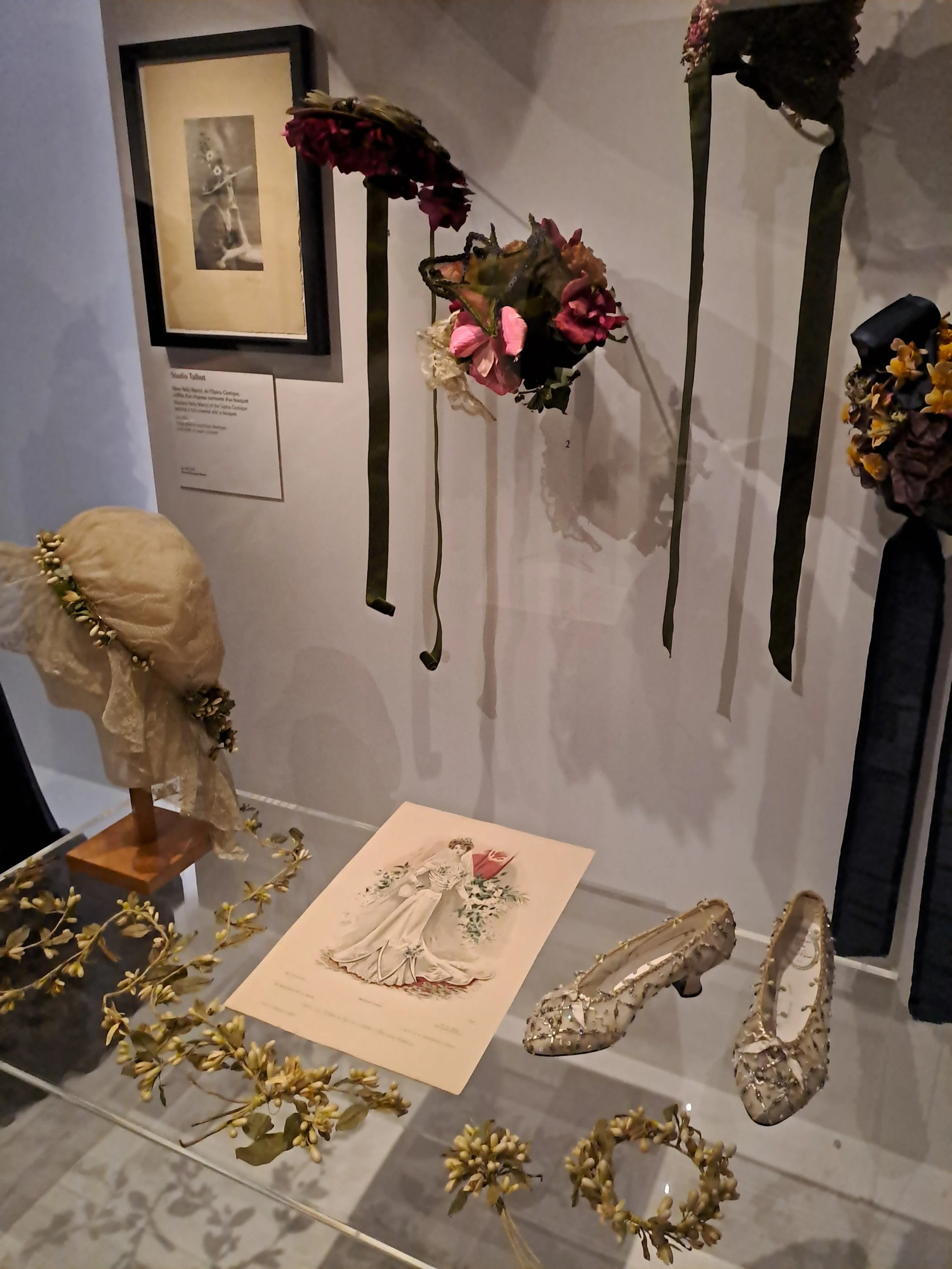
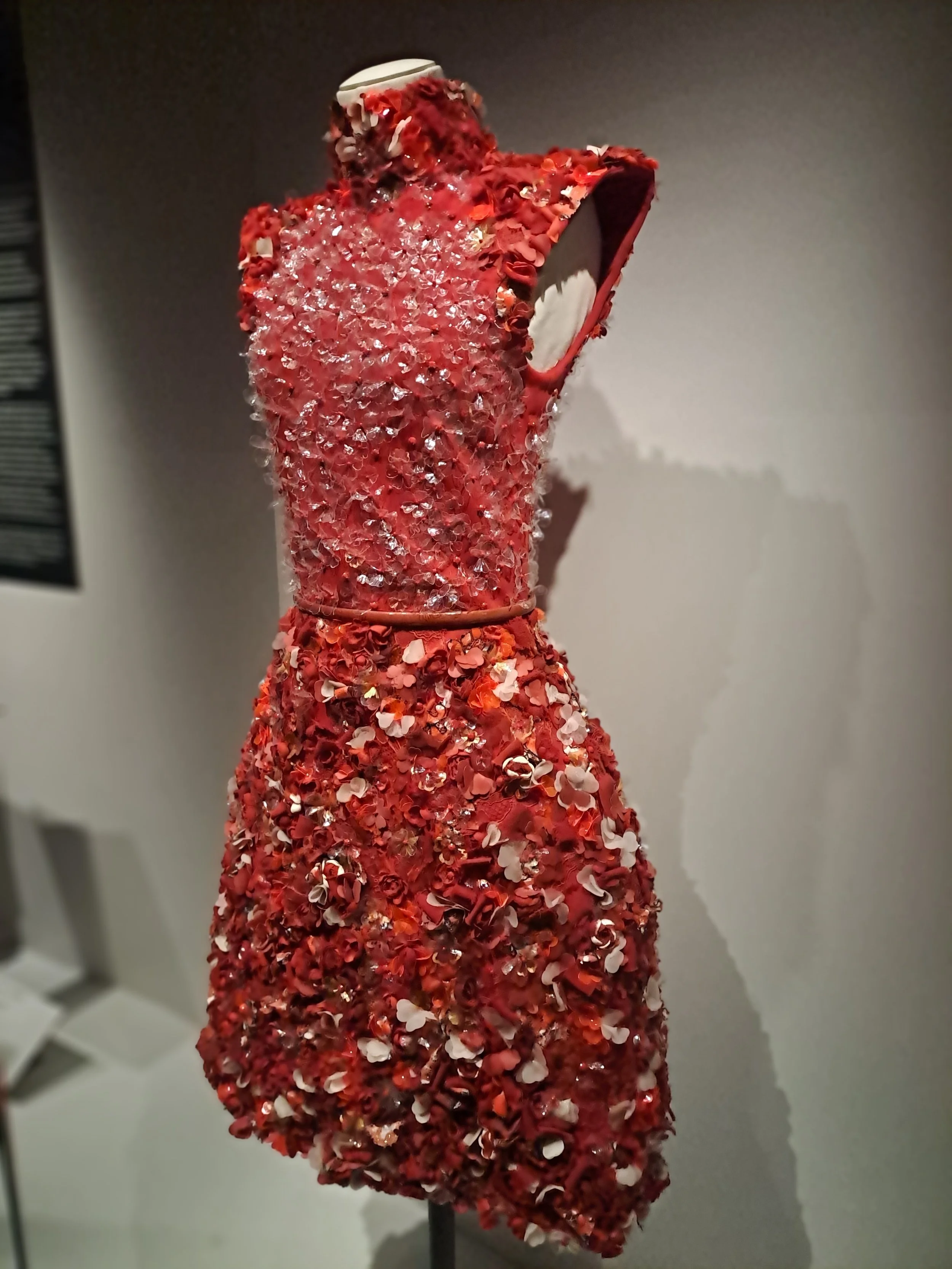
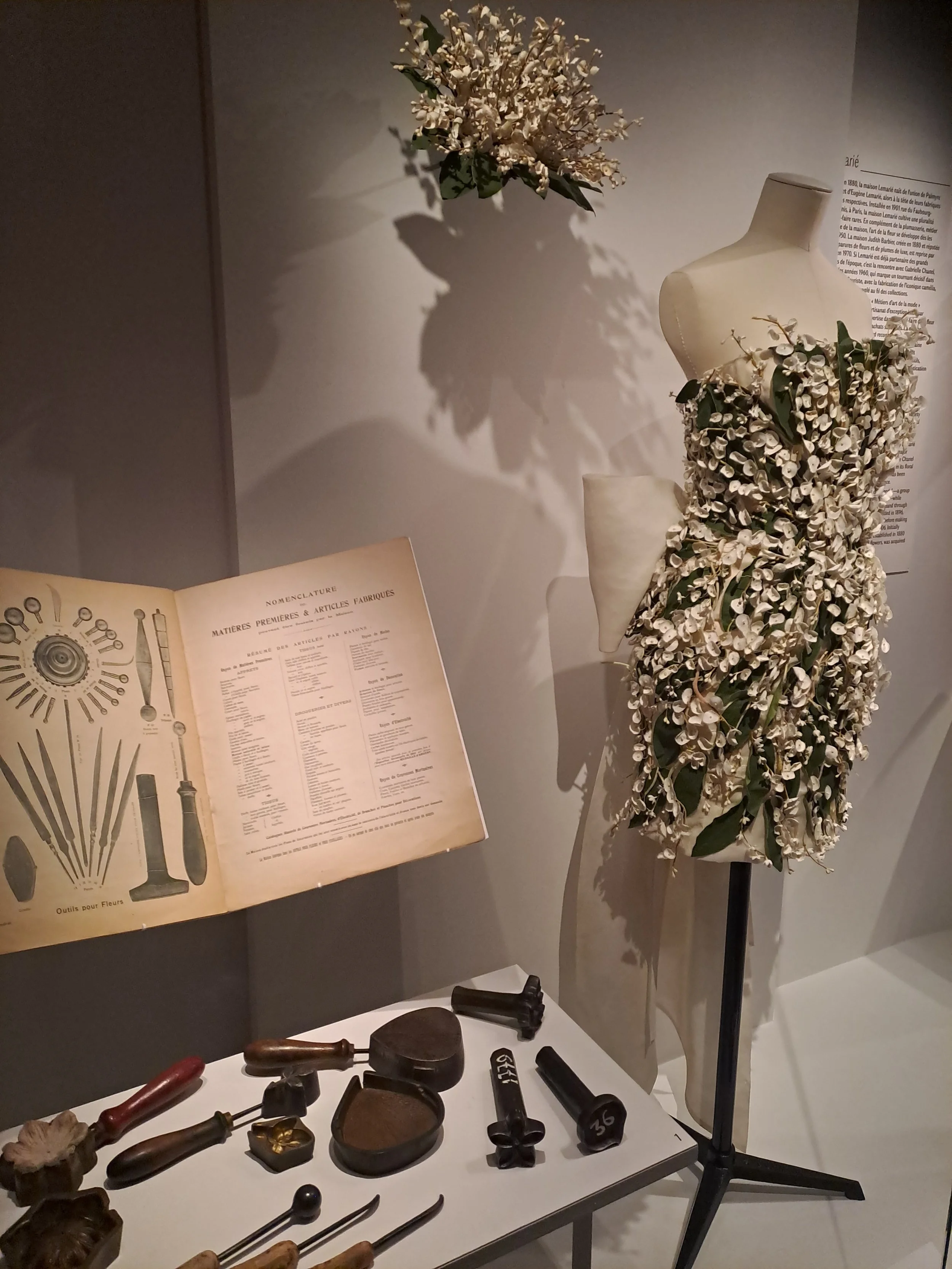
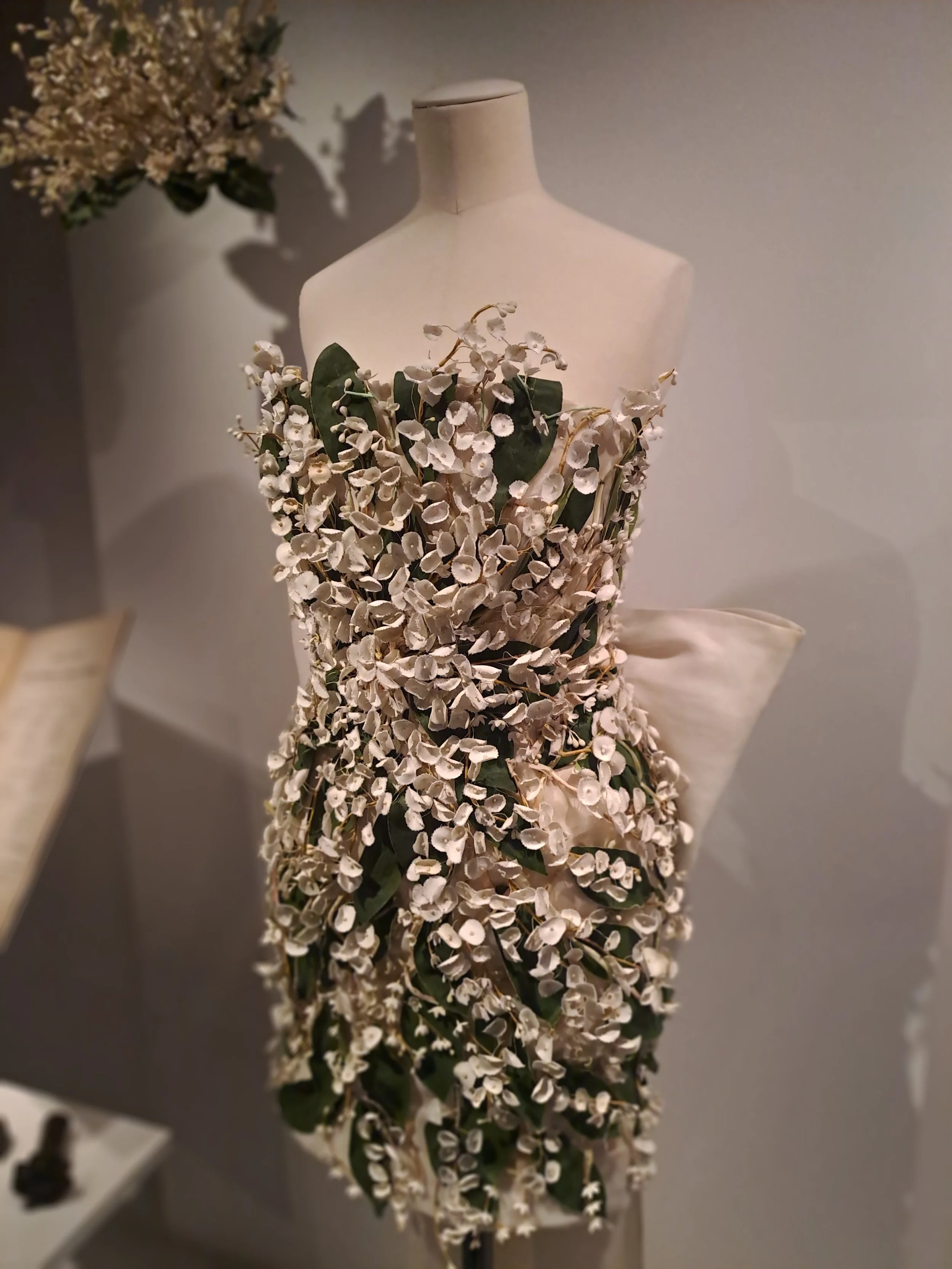
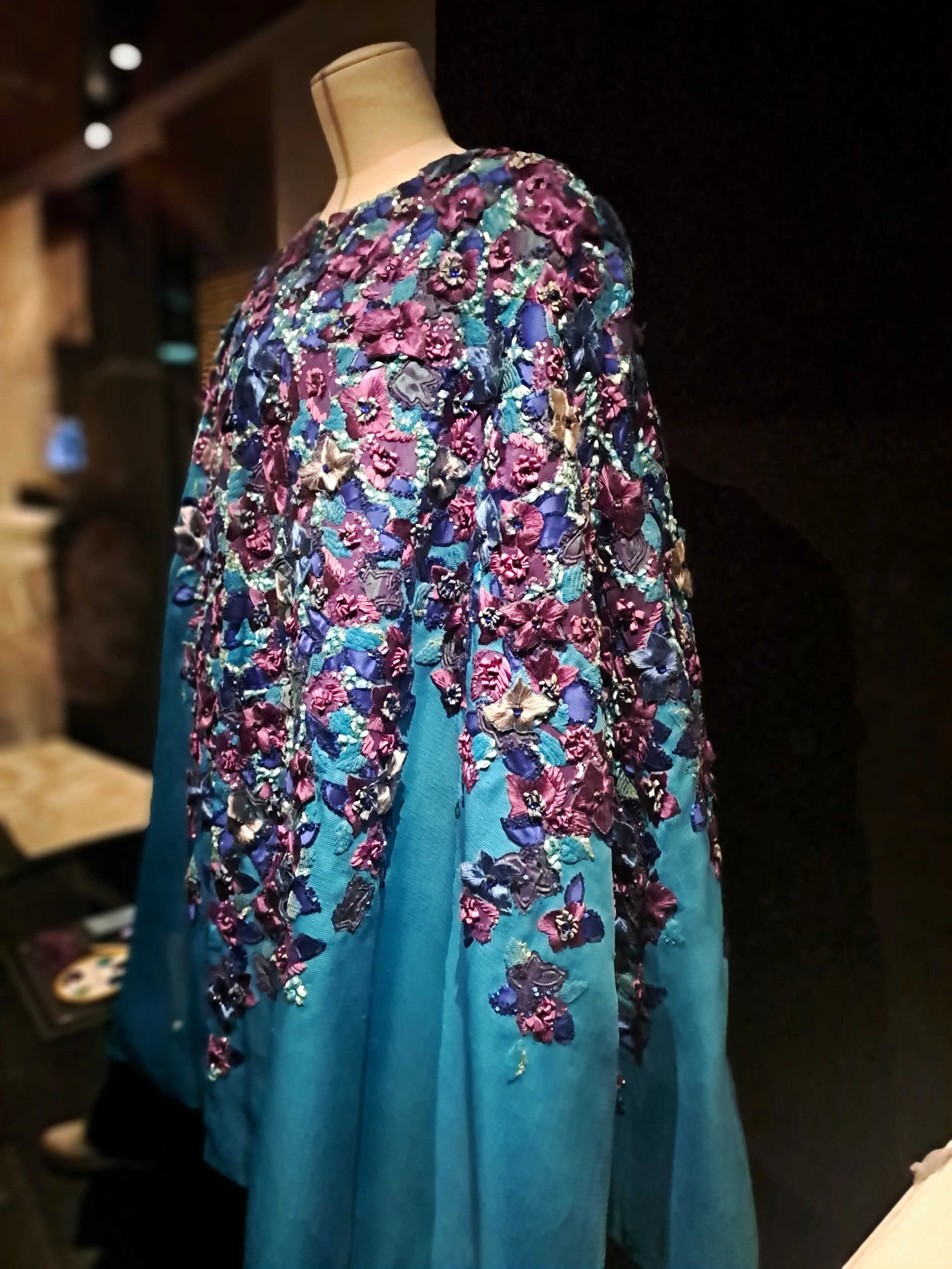
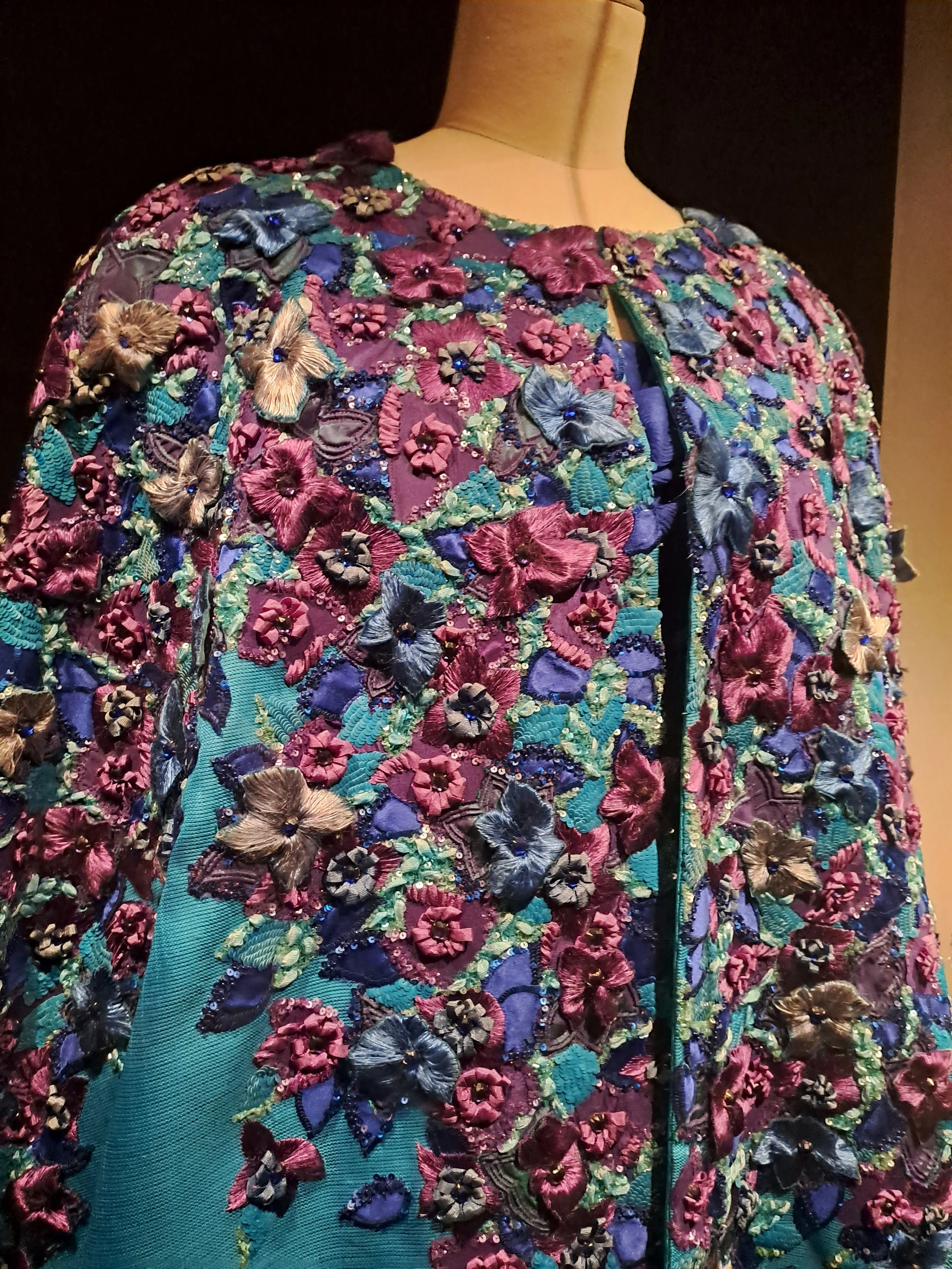
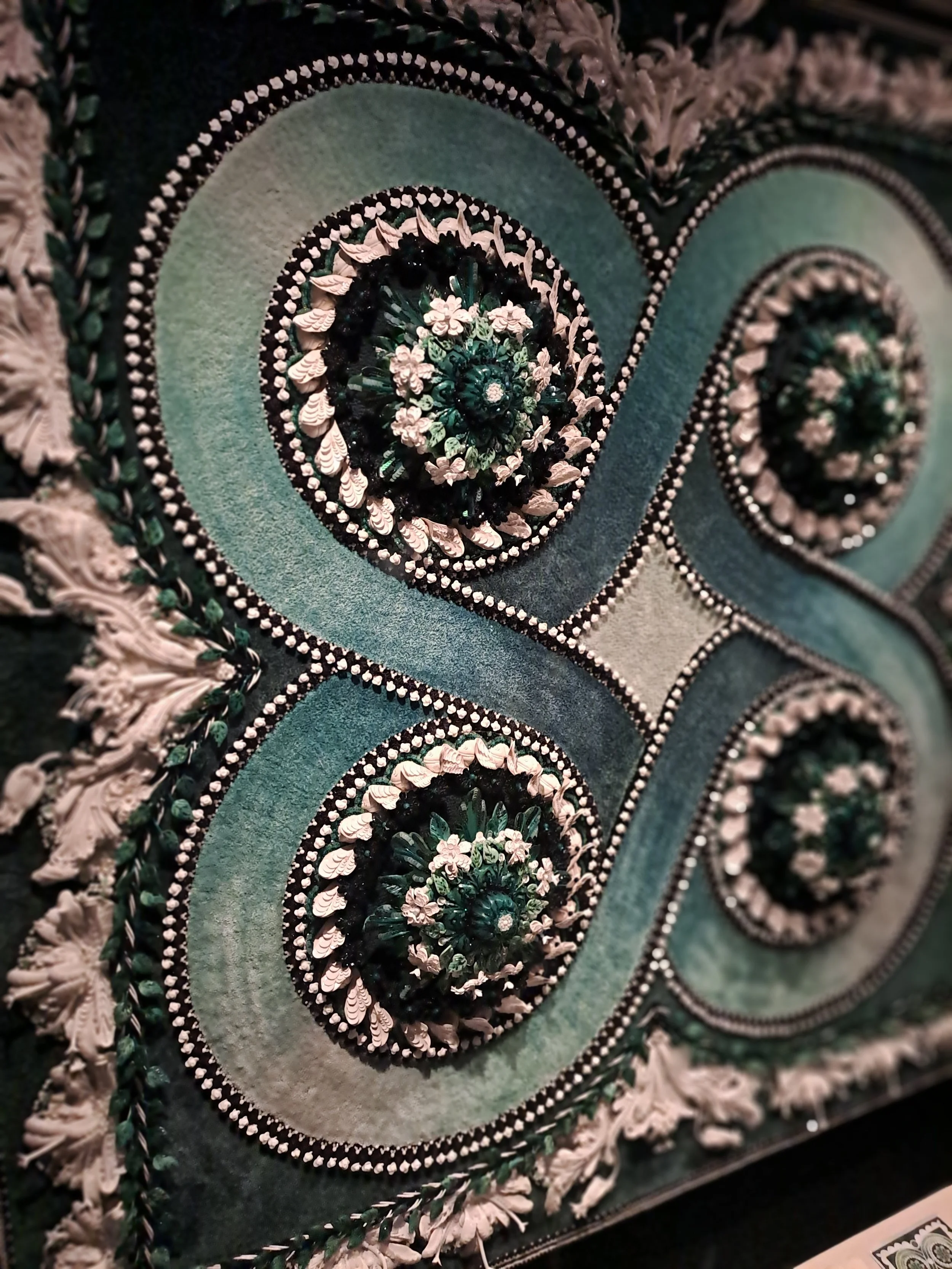
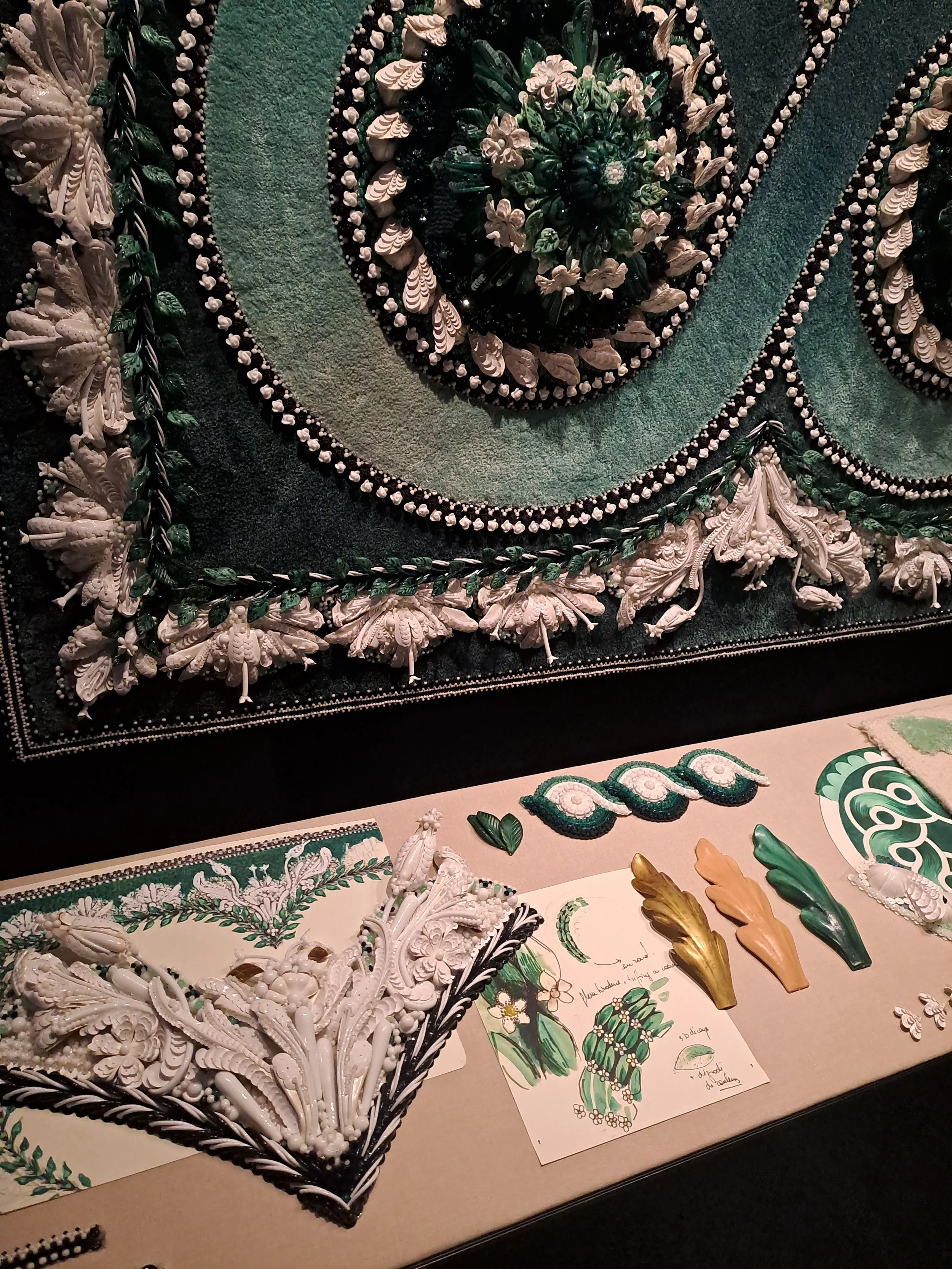
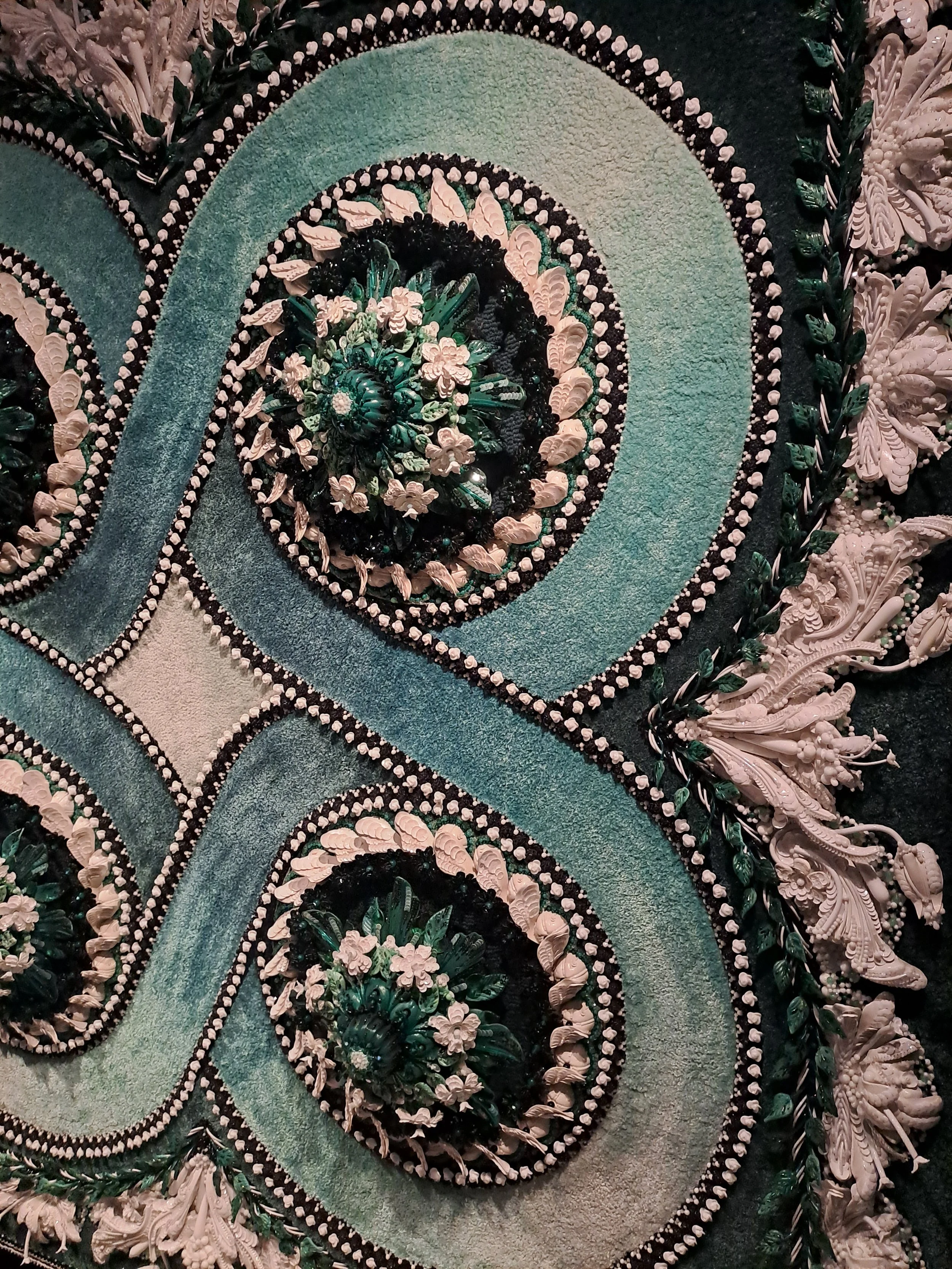
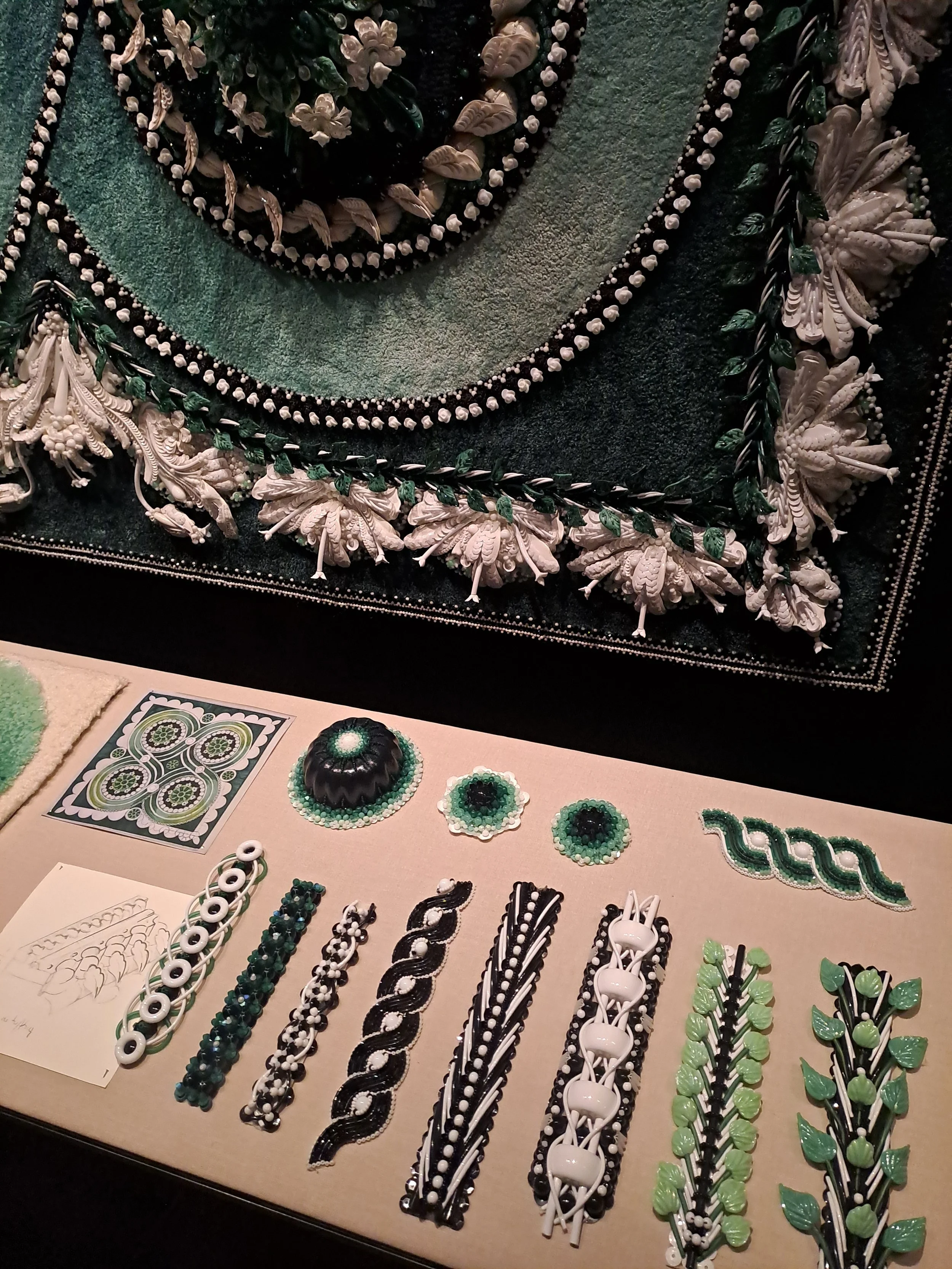
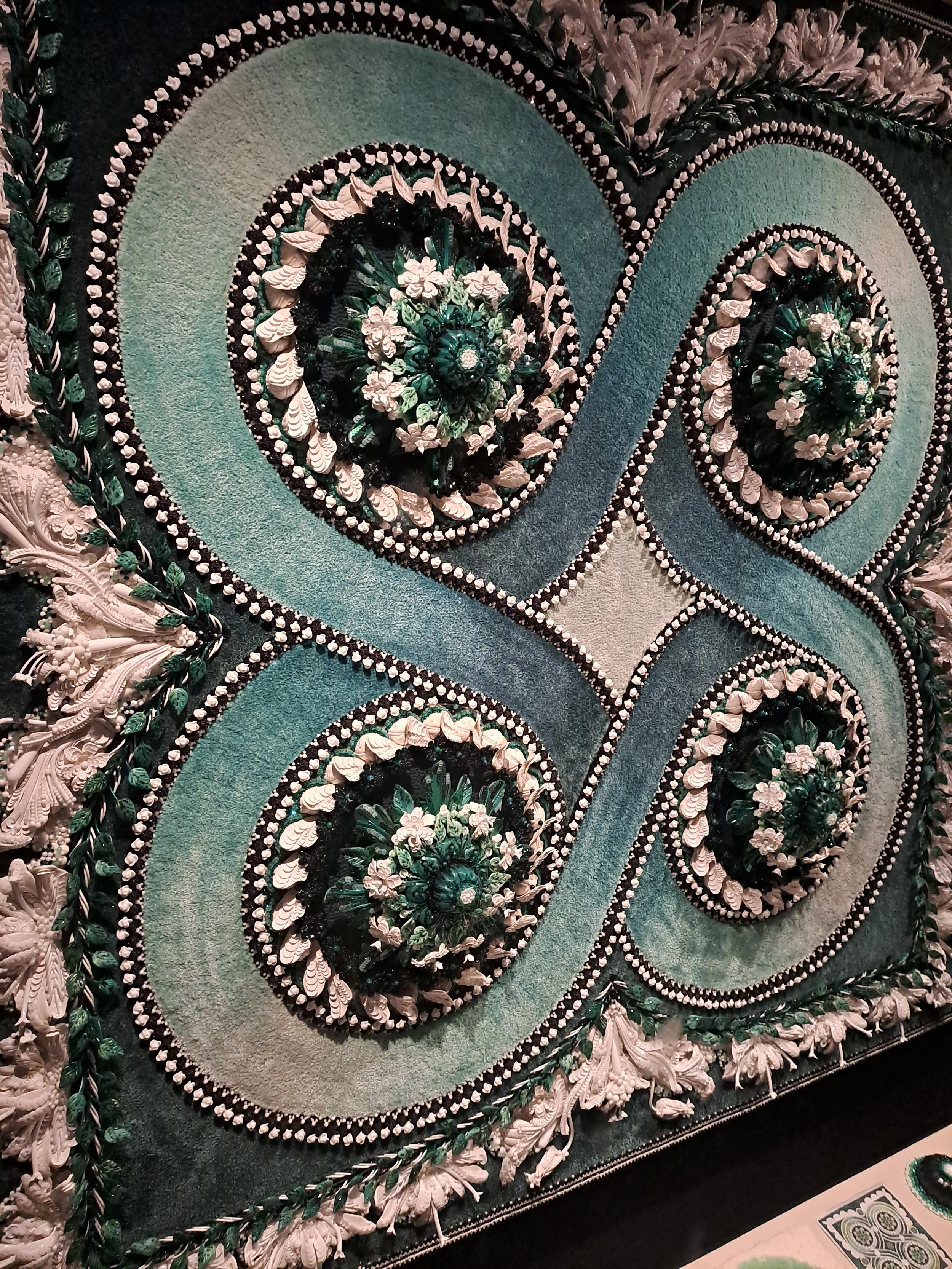
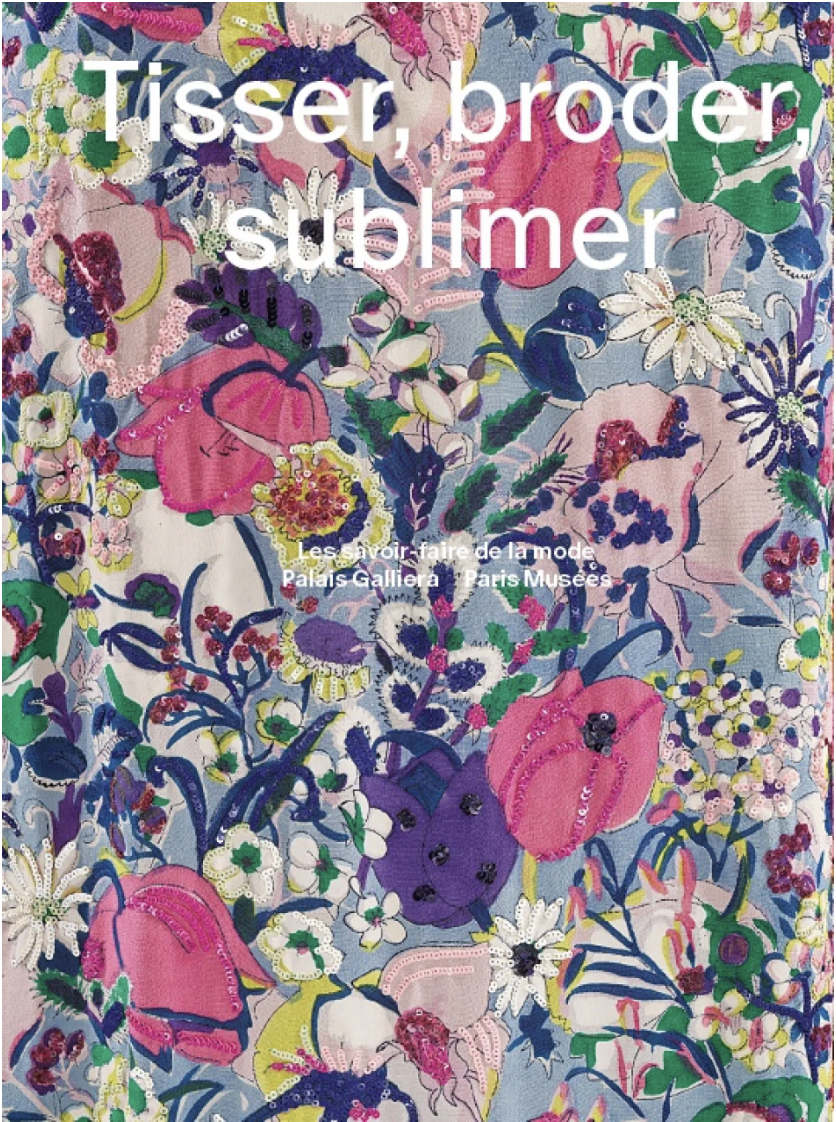
Tisser, Broder, Sublimer. Les Savoir-faire de la Mode at Palais Galliera is the opening chapter of a three-part exhibition programme dedicated to the artisanal crafts and savoir-faire that shape French fashion history. This first instalment centres on the motif of the flower as a unifying thread, used to explore weaving, embroidery, lace-making, textile printing, silk flower-making and feather-working. In doing so, it places the work of craftspeople and specialised ateliers firmly at the centre of the exhibition narrative, rather than at its margins.
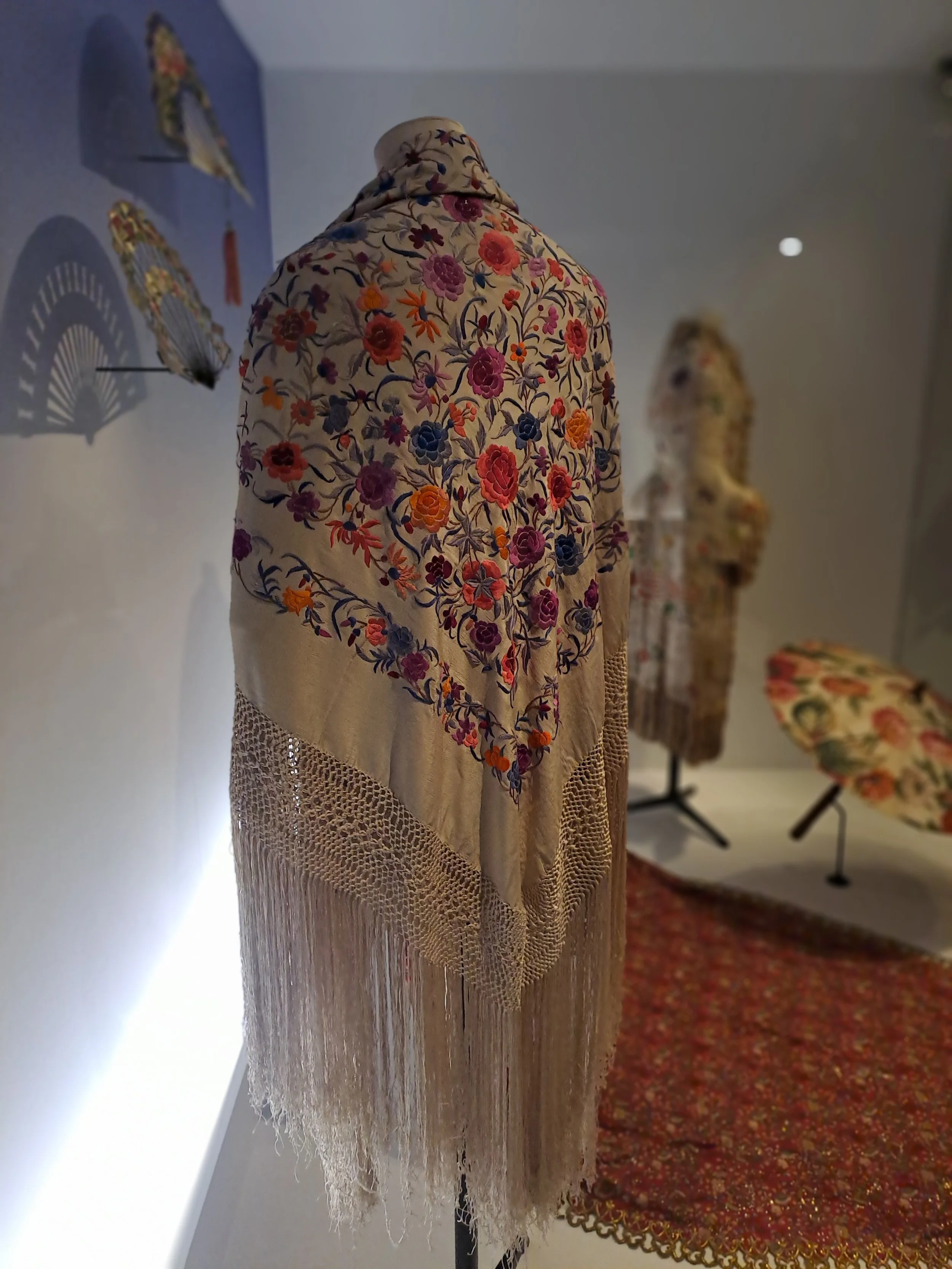
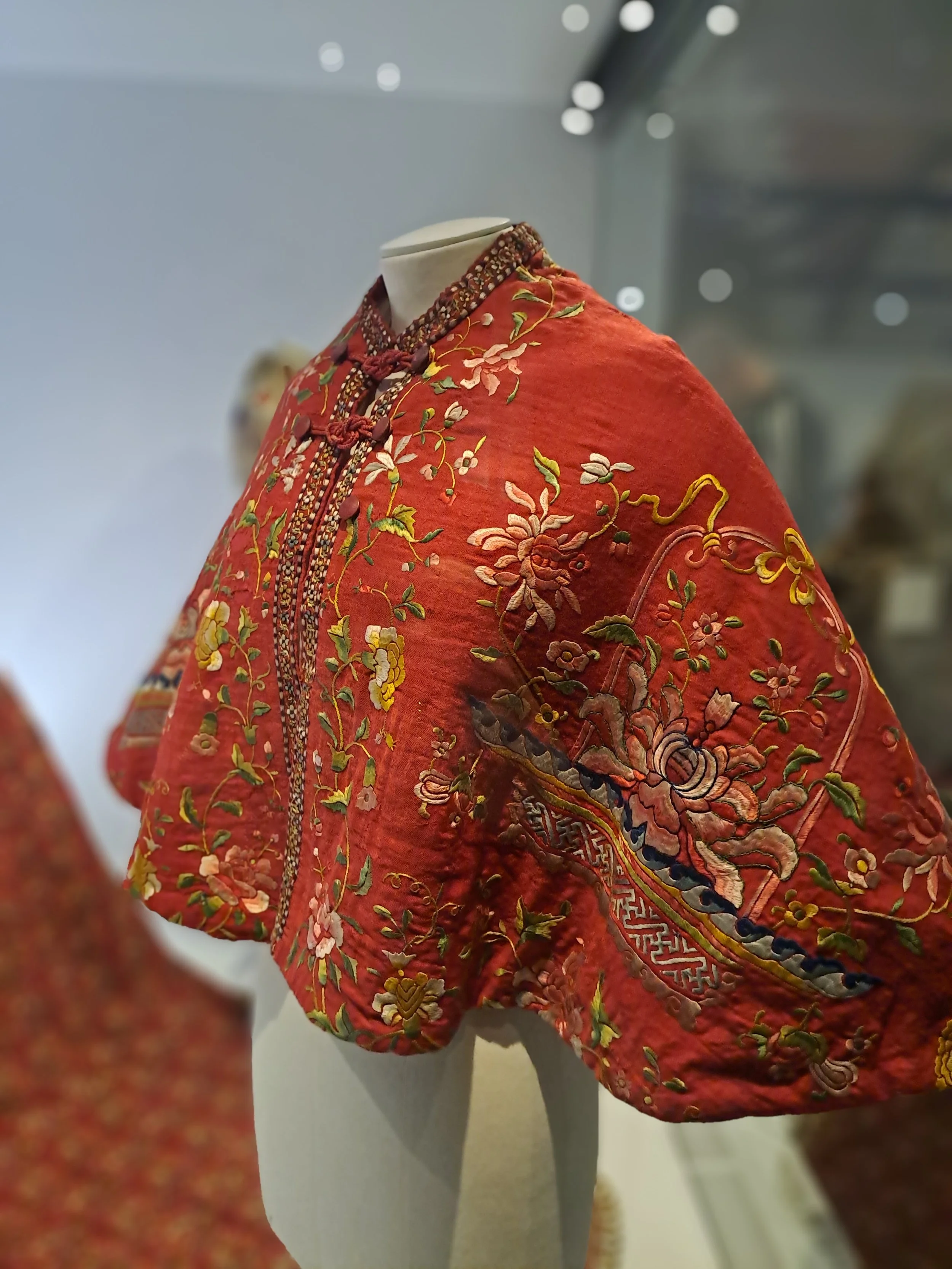
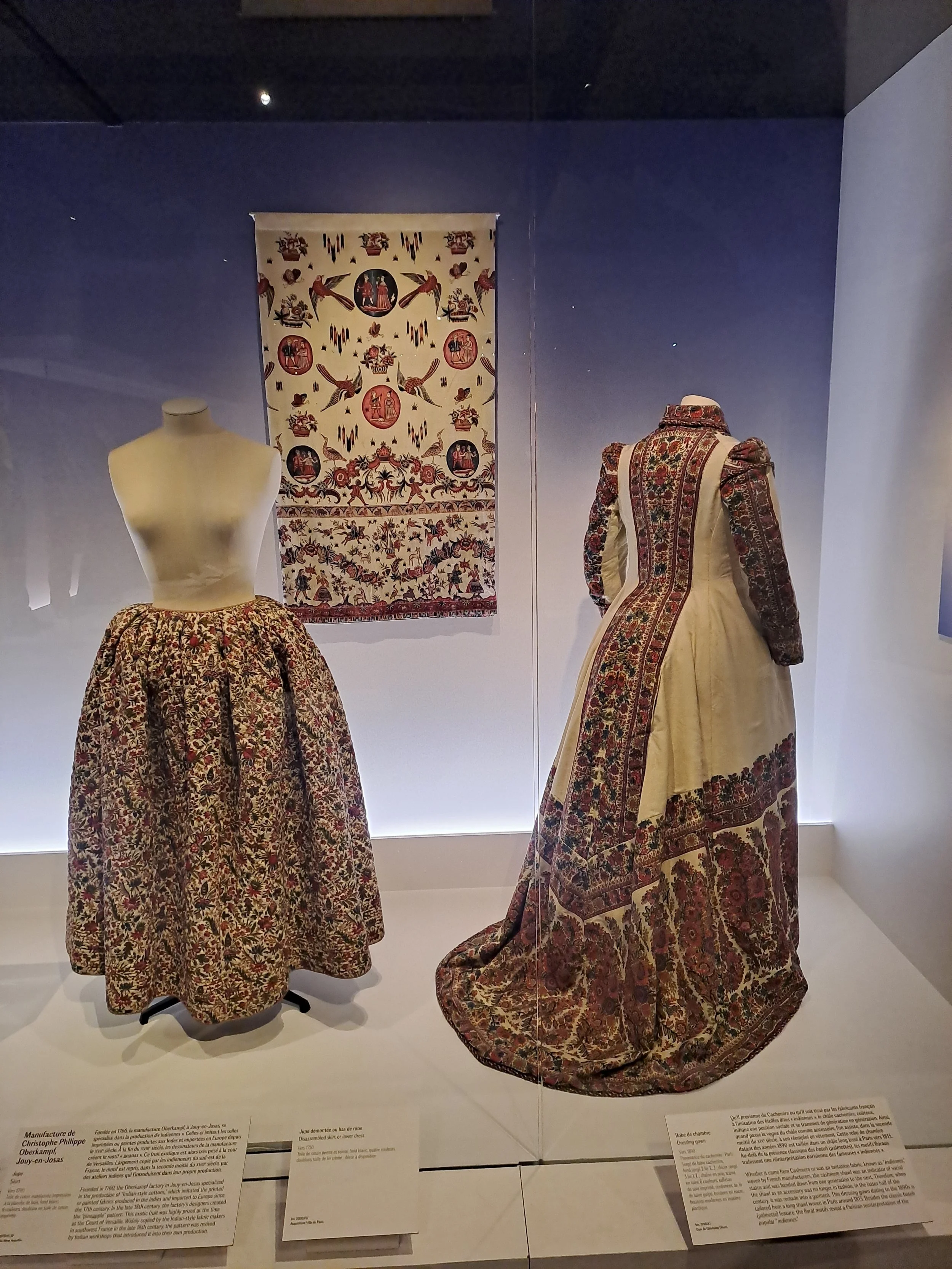
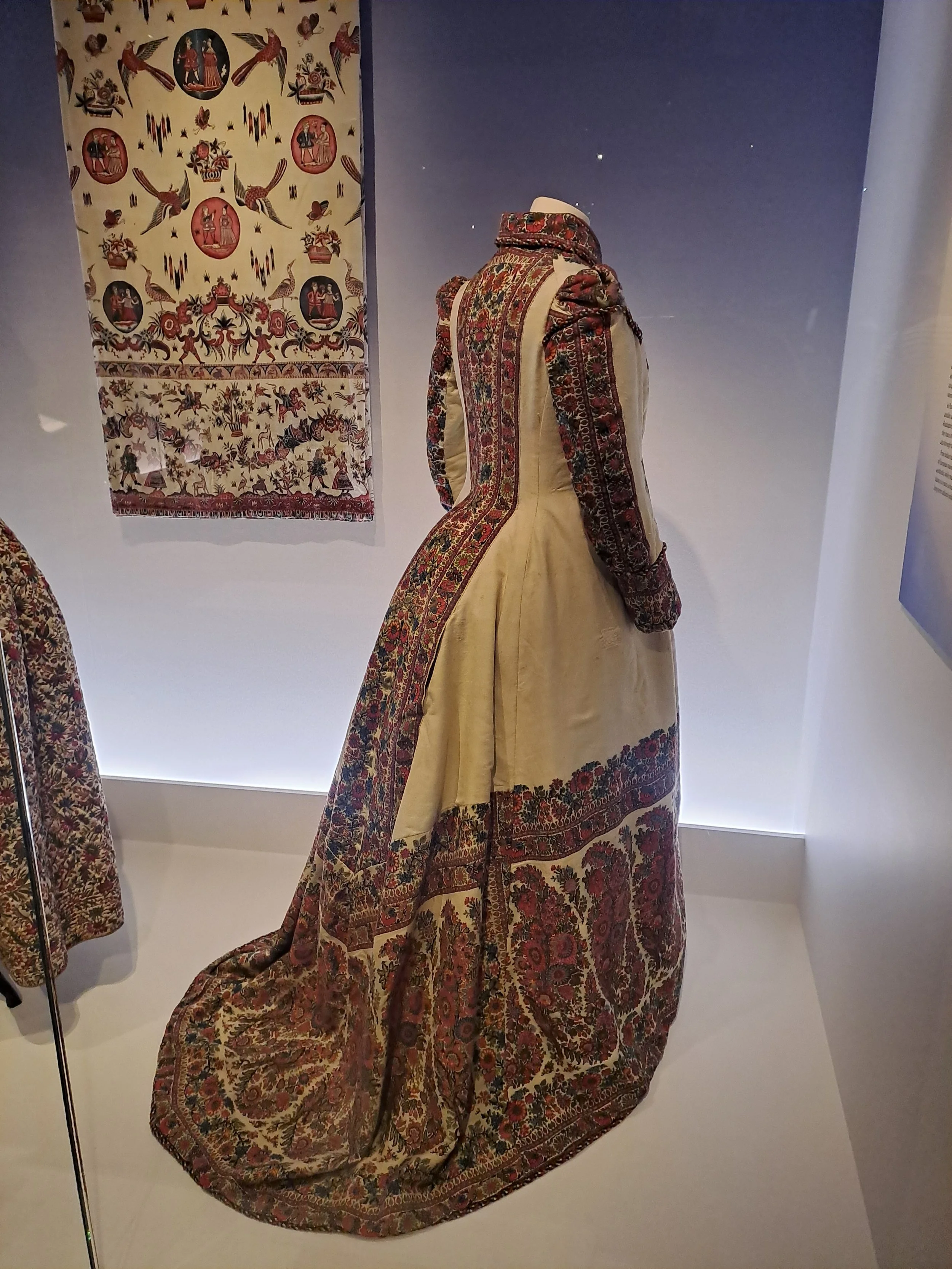
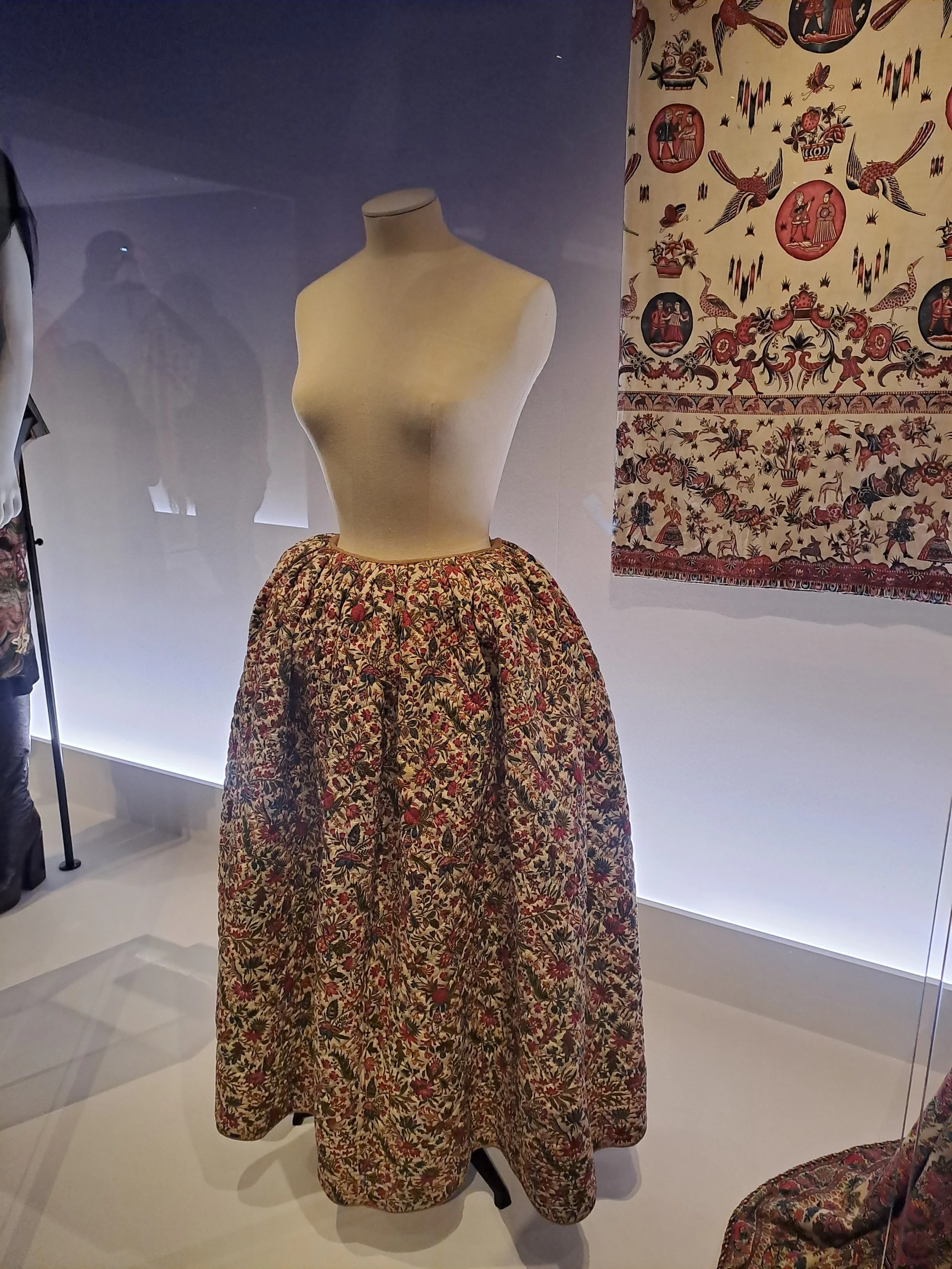
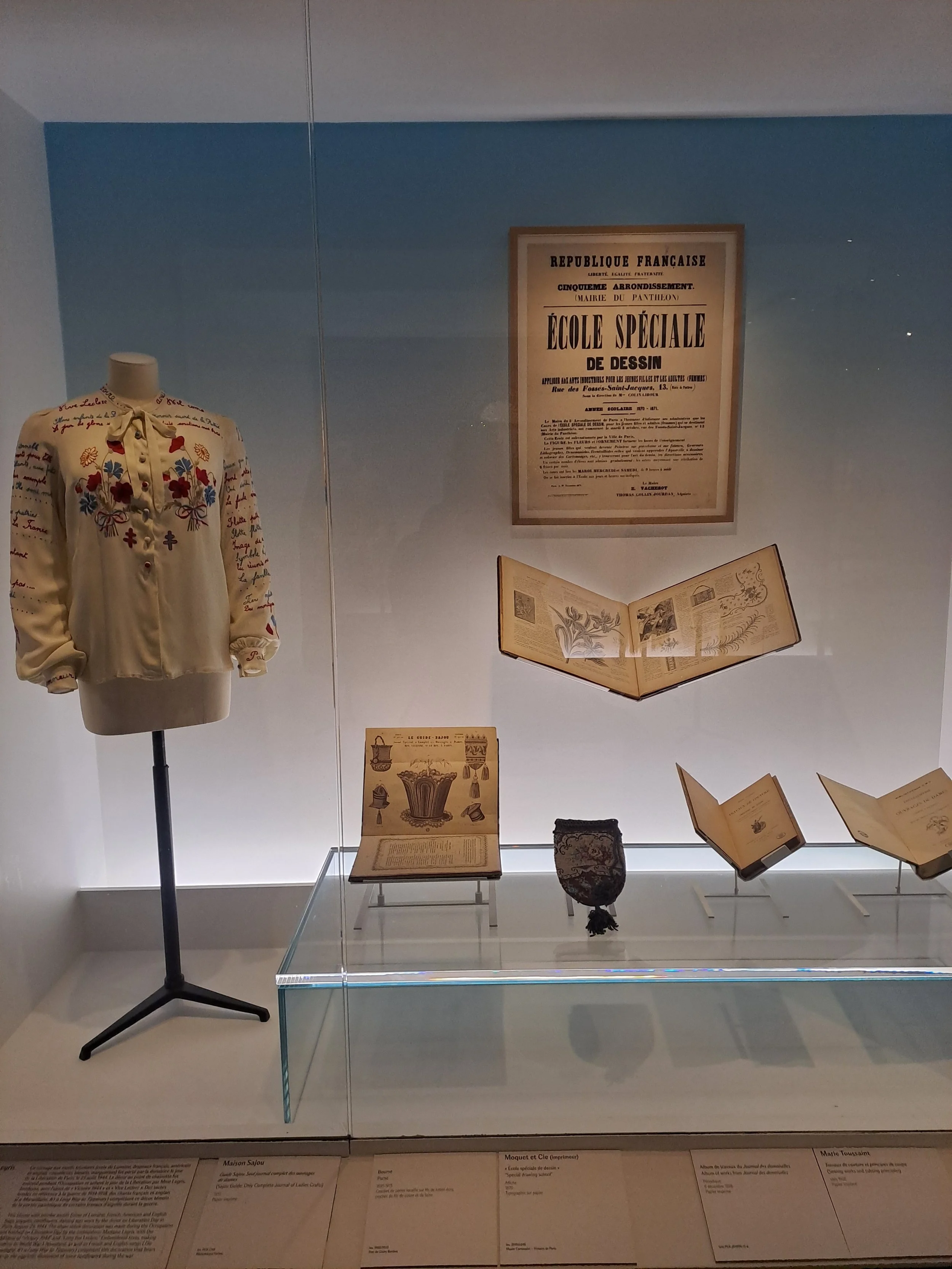
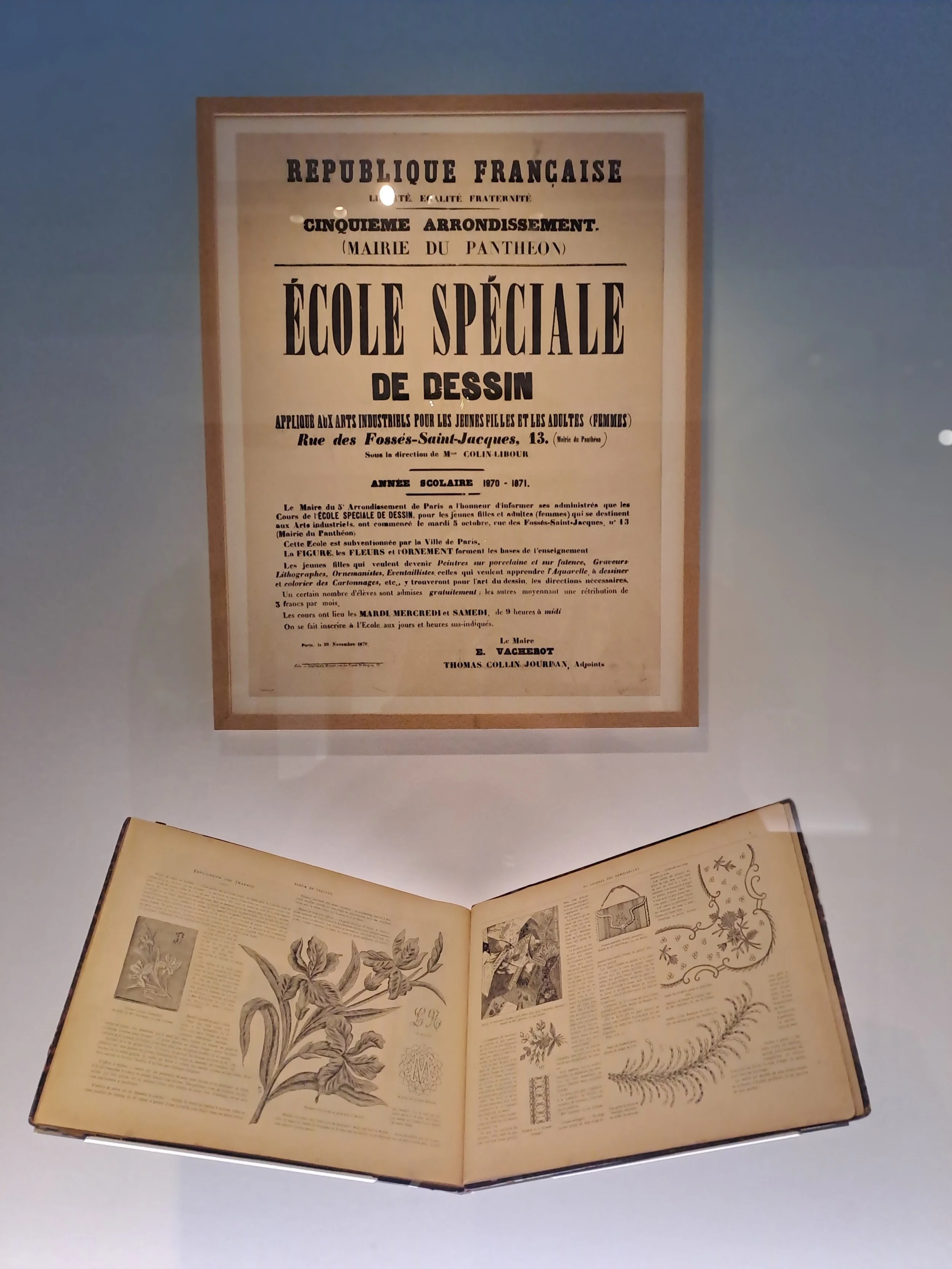
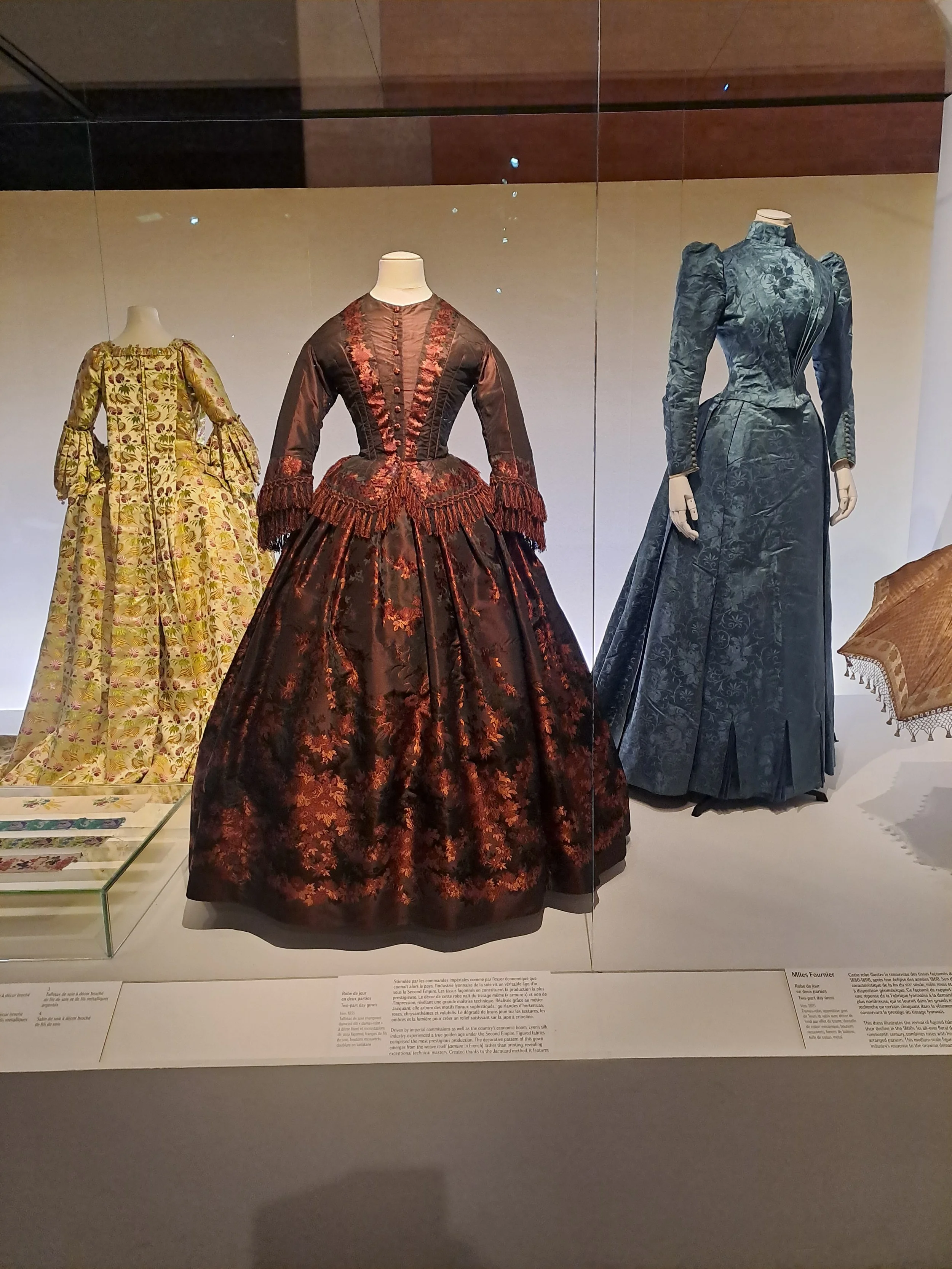
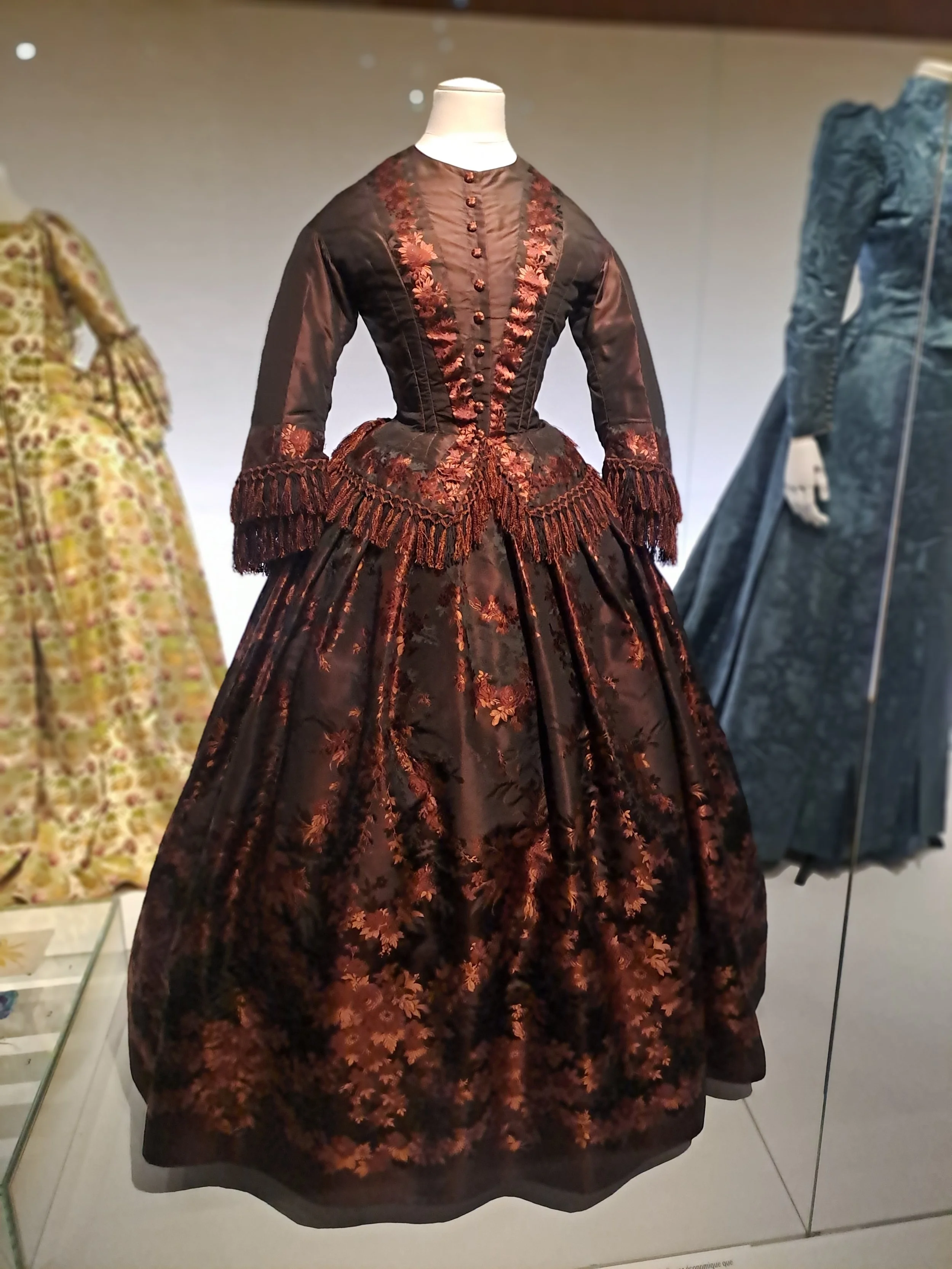
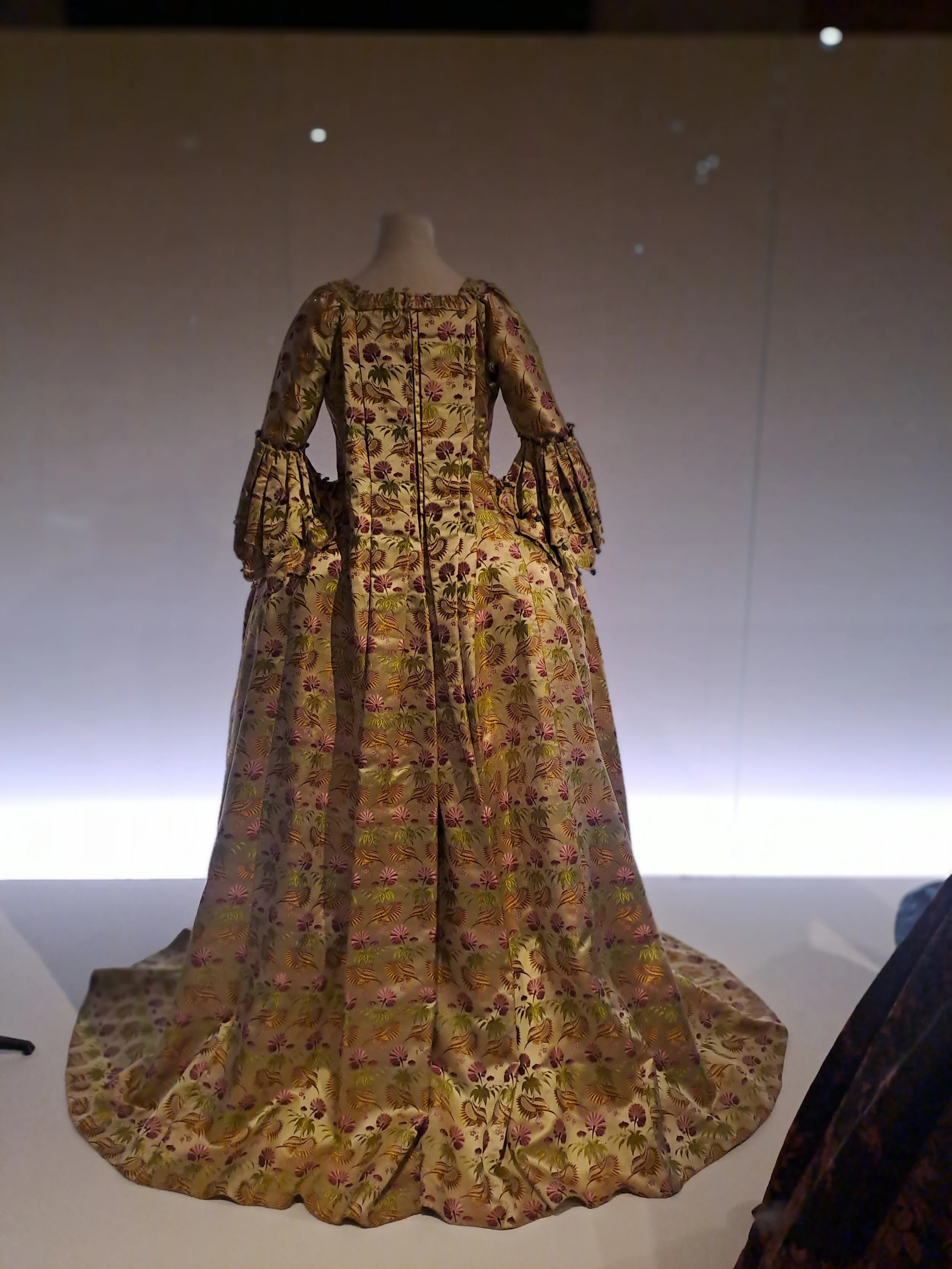
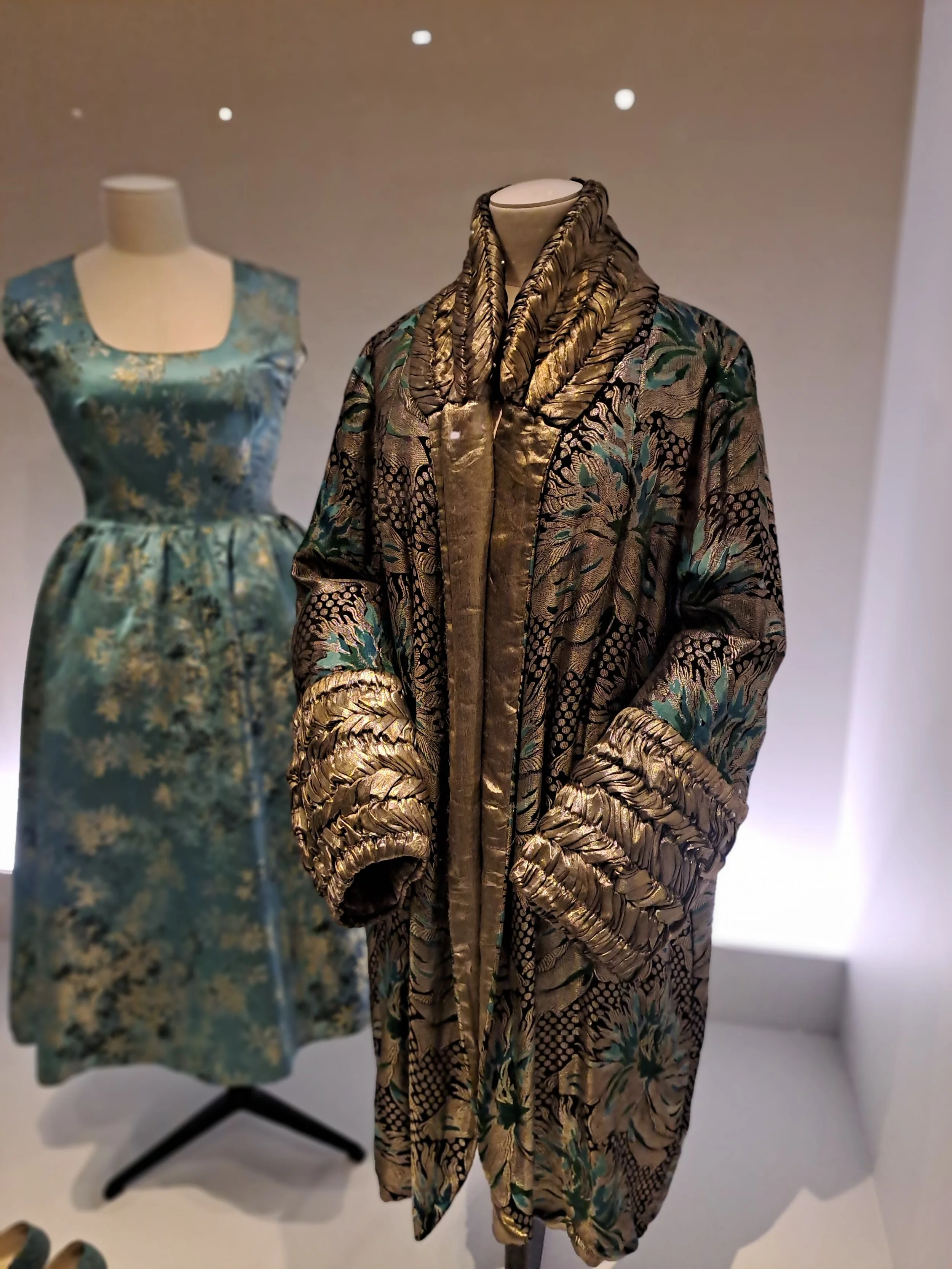
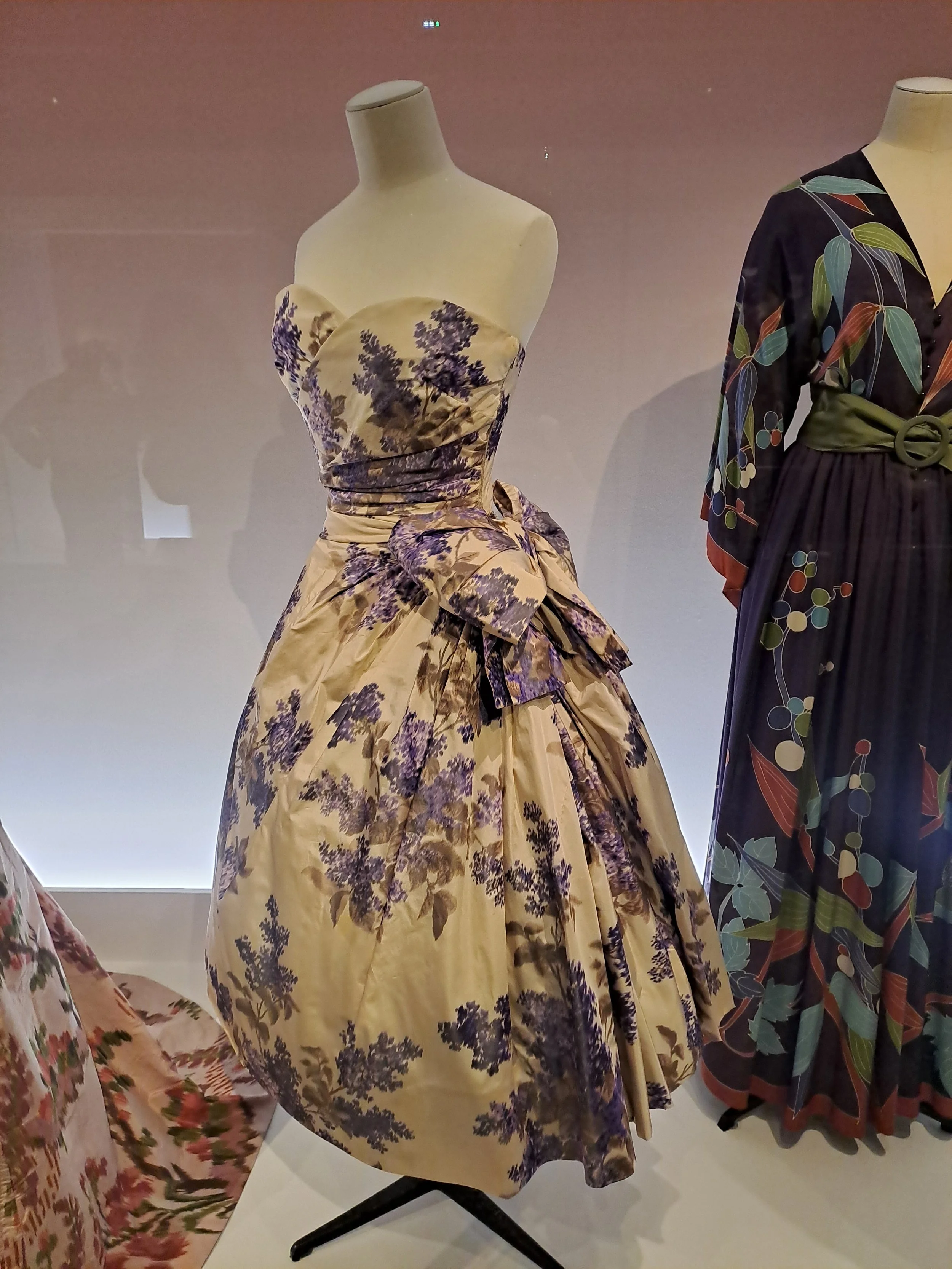
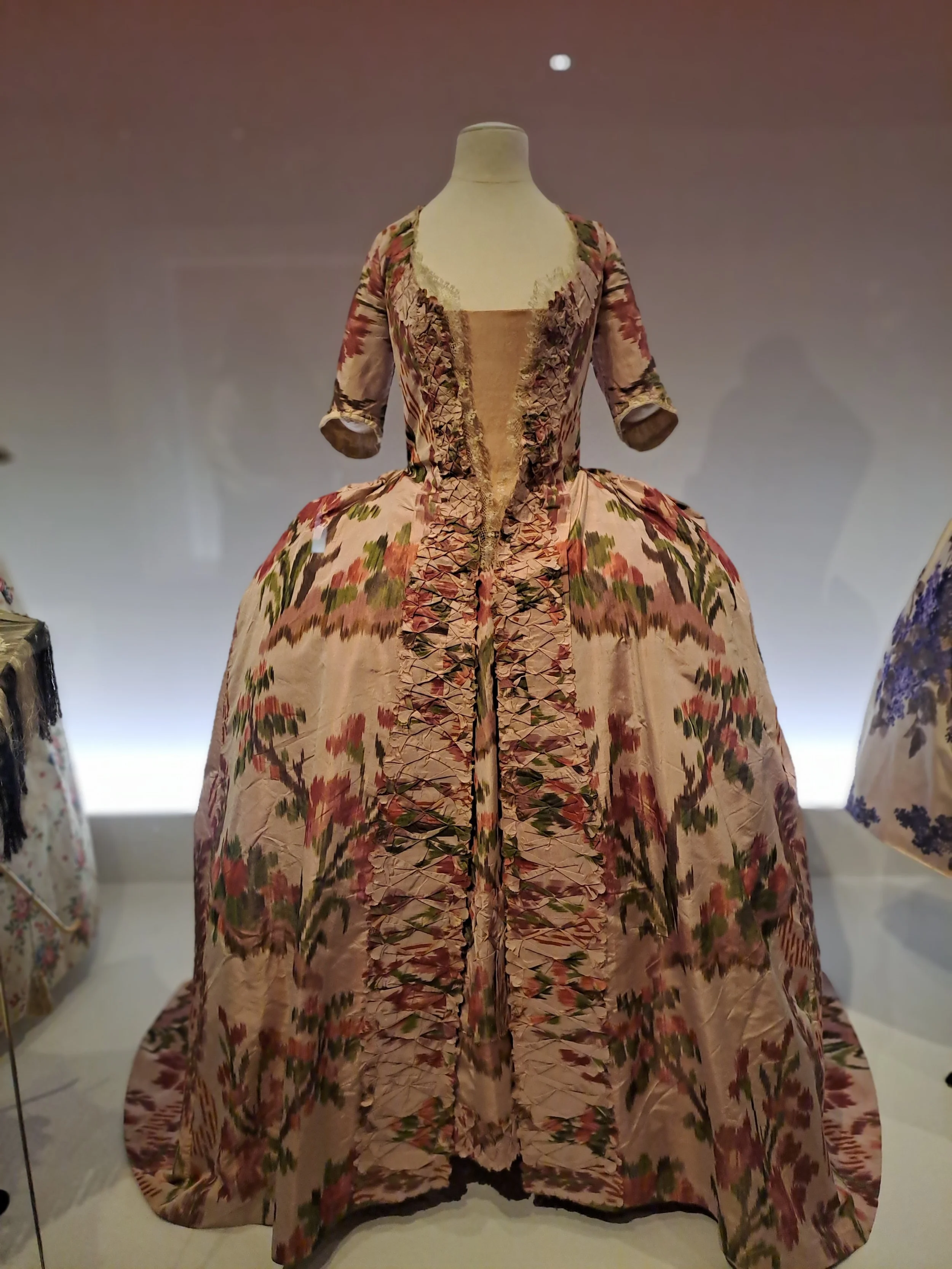
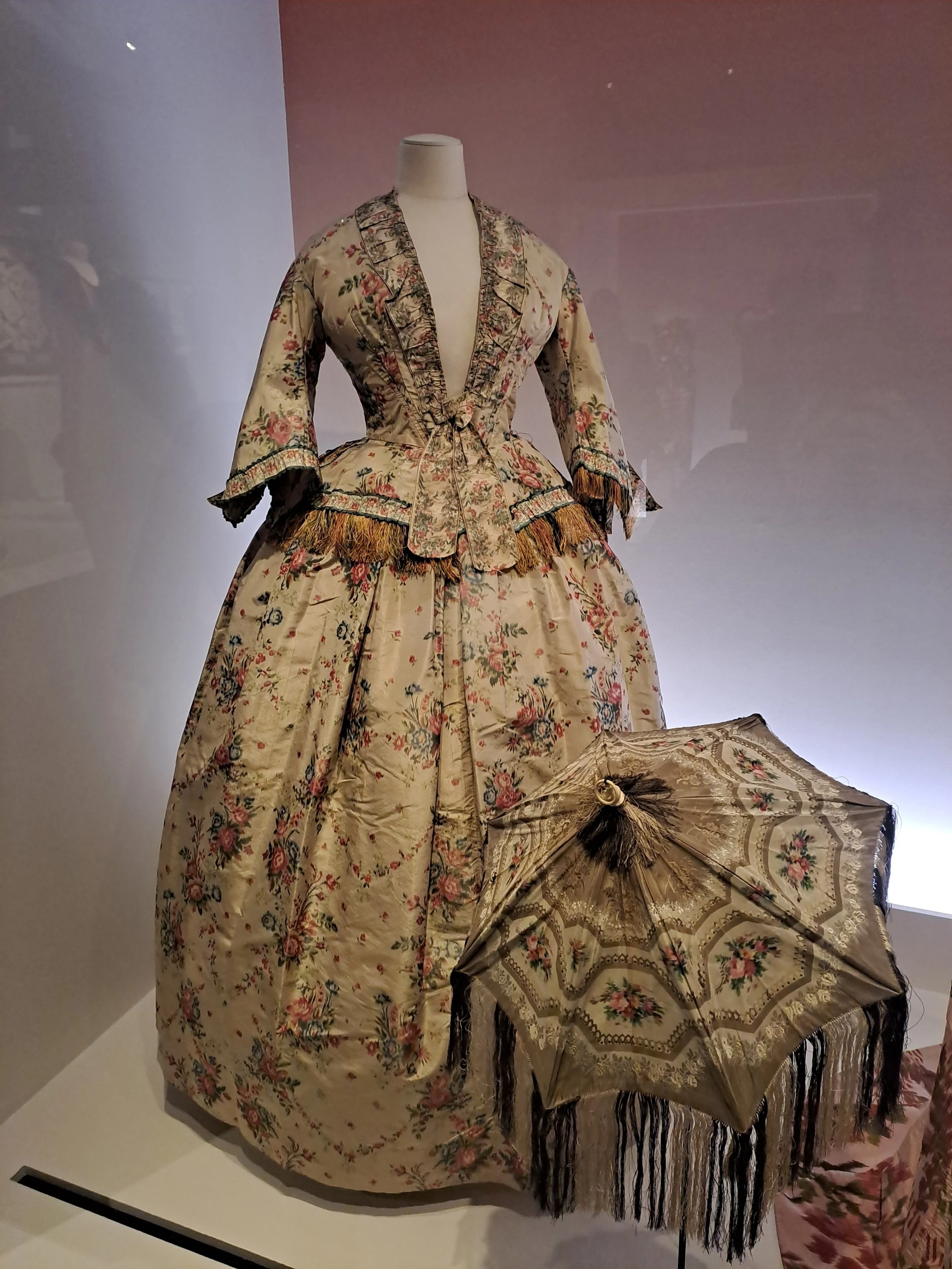
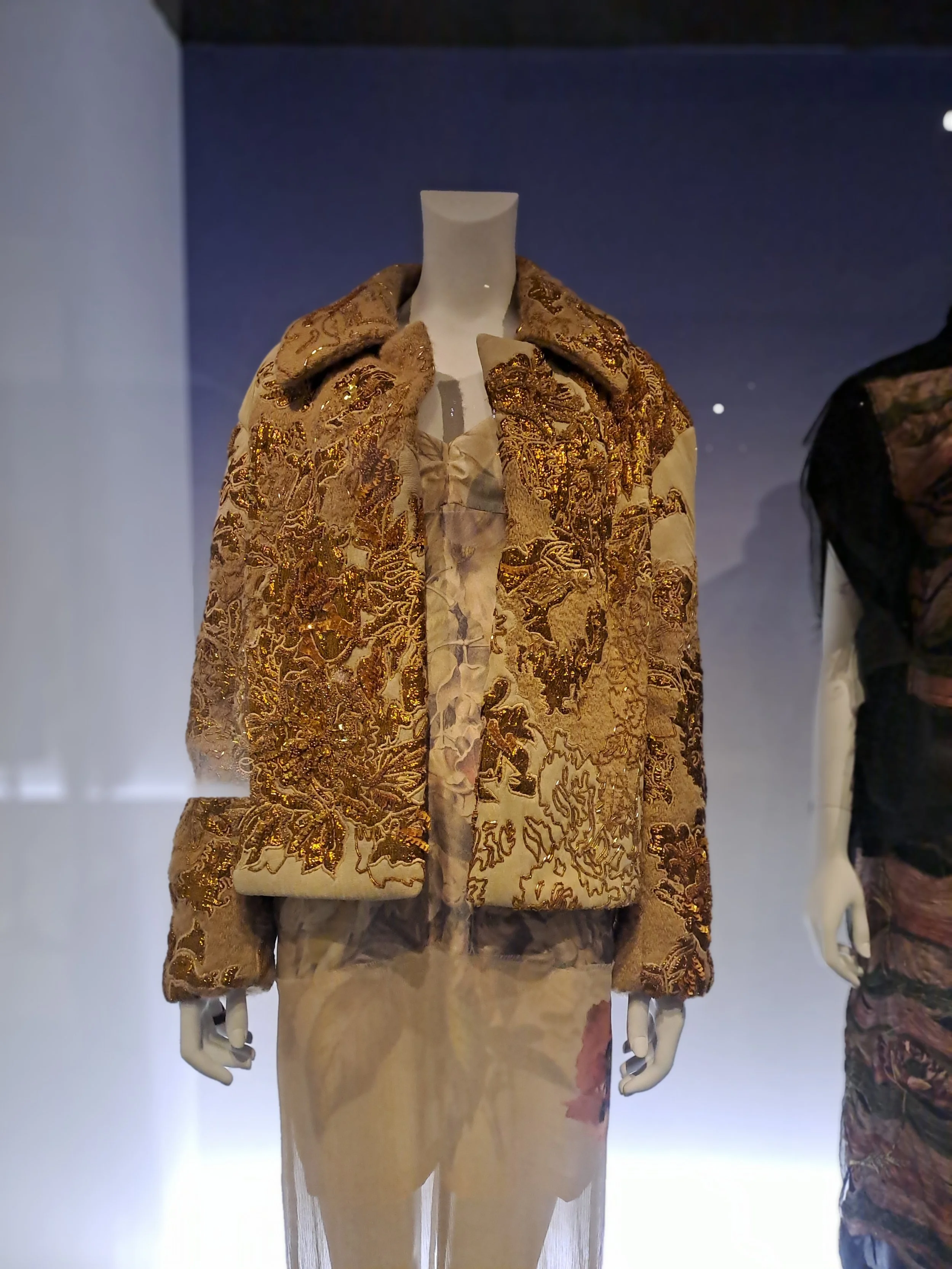
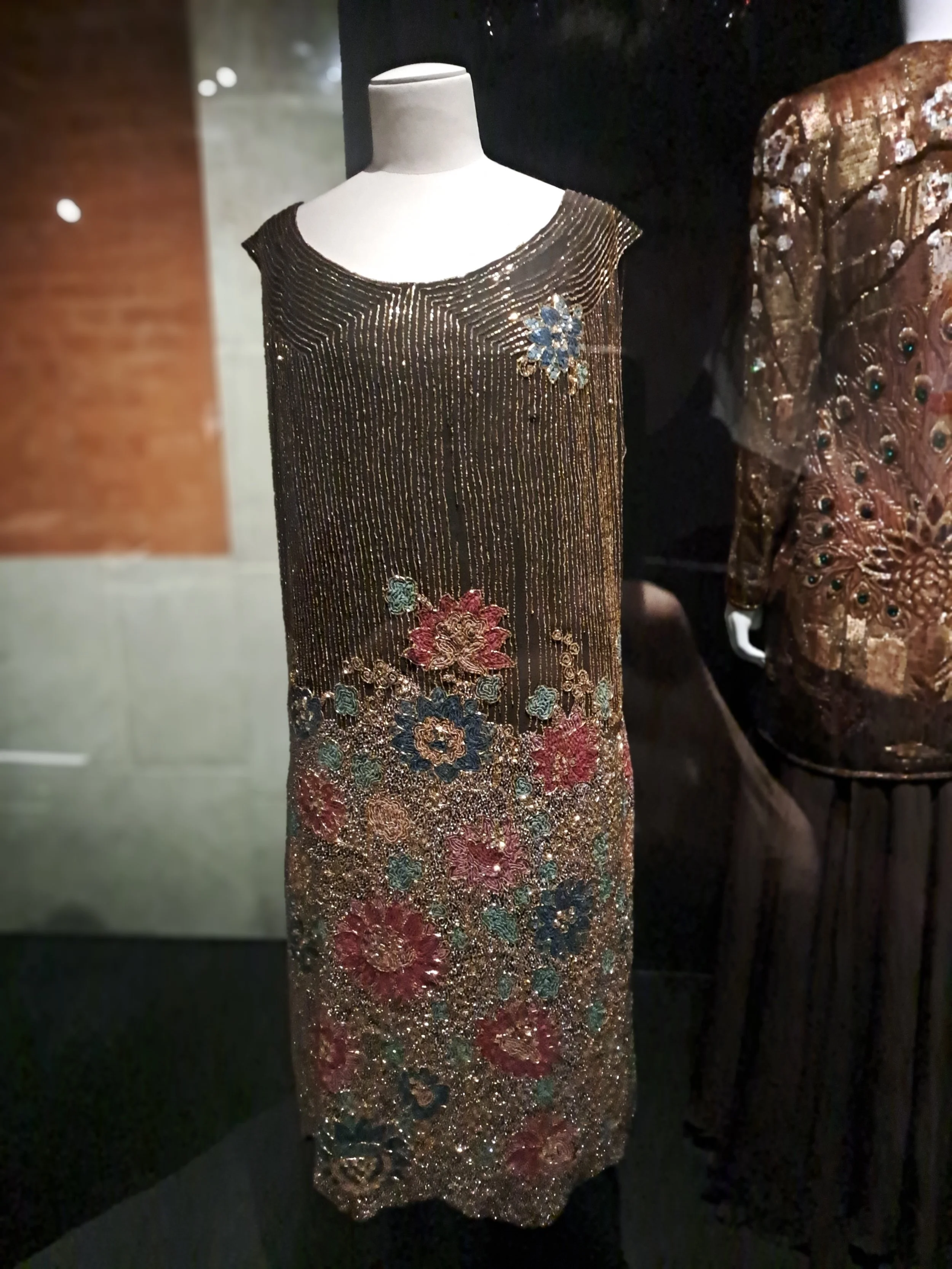
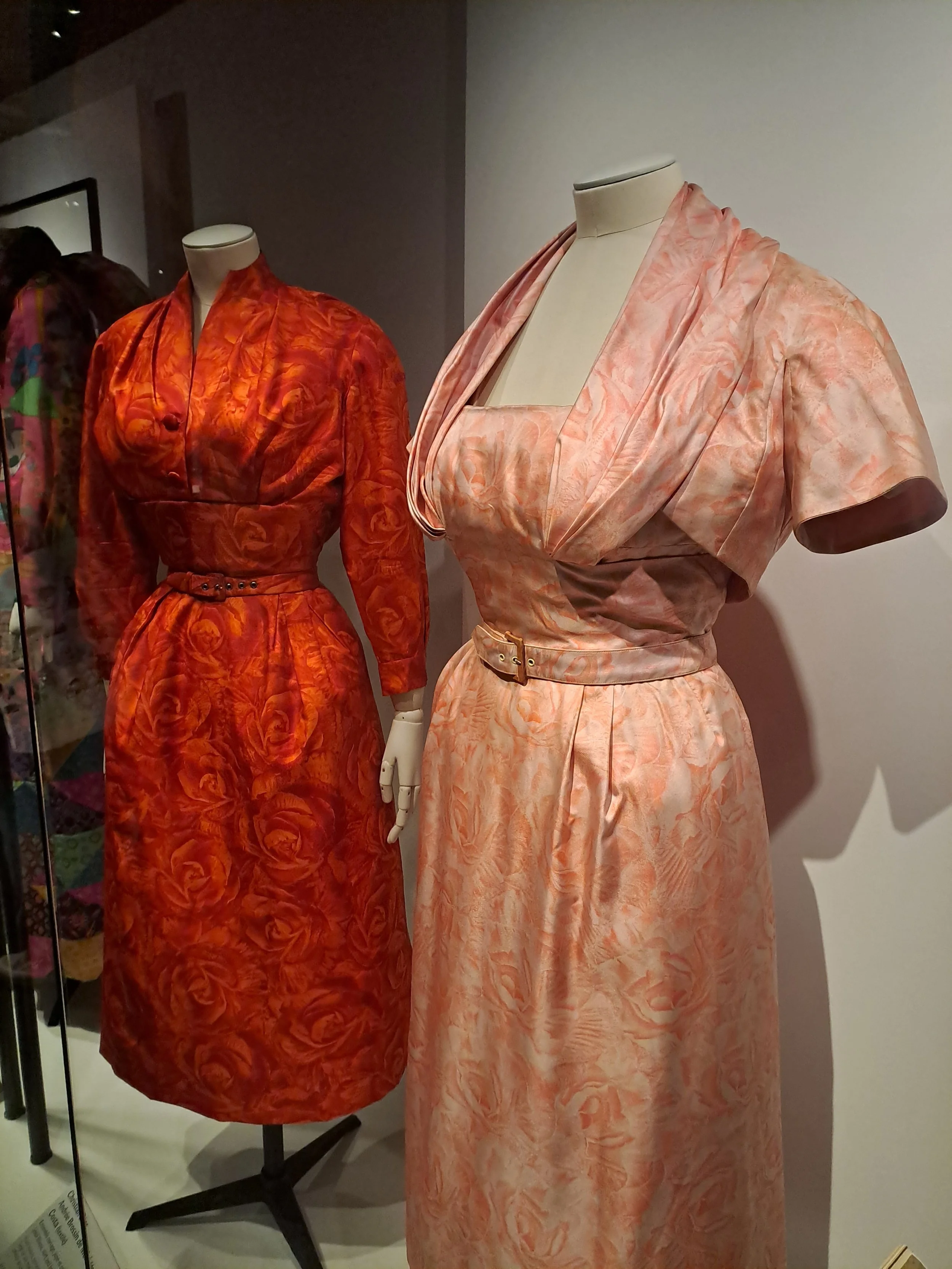
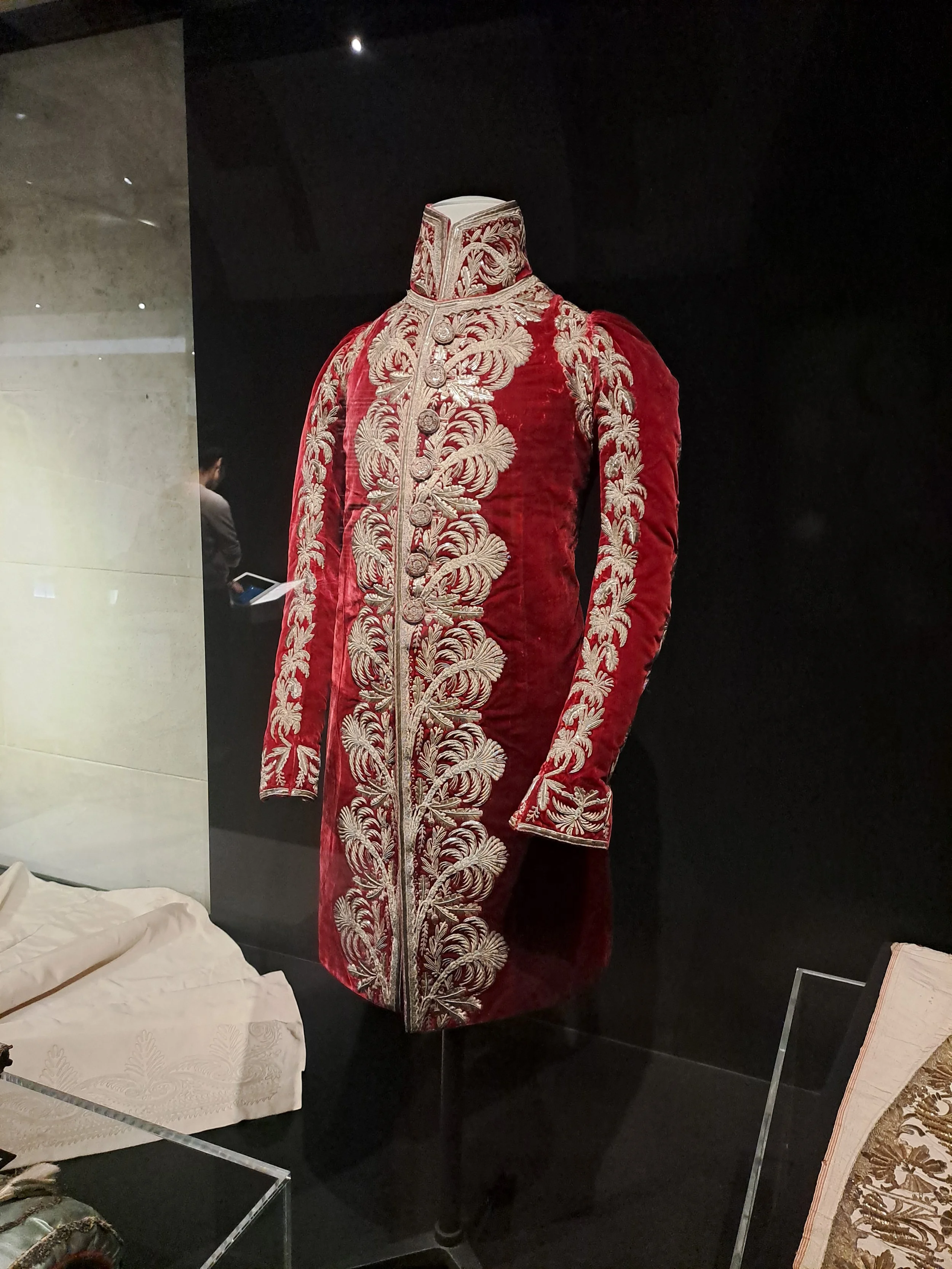
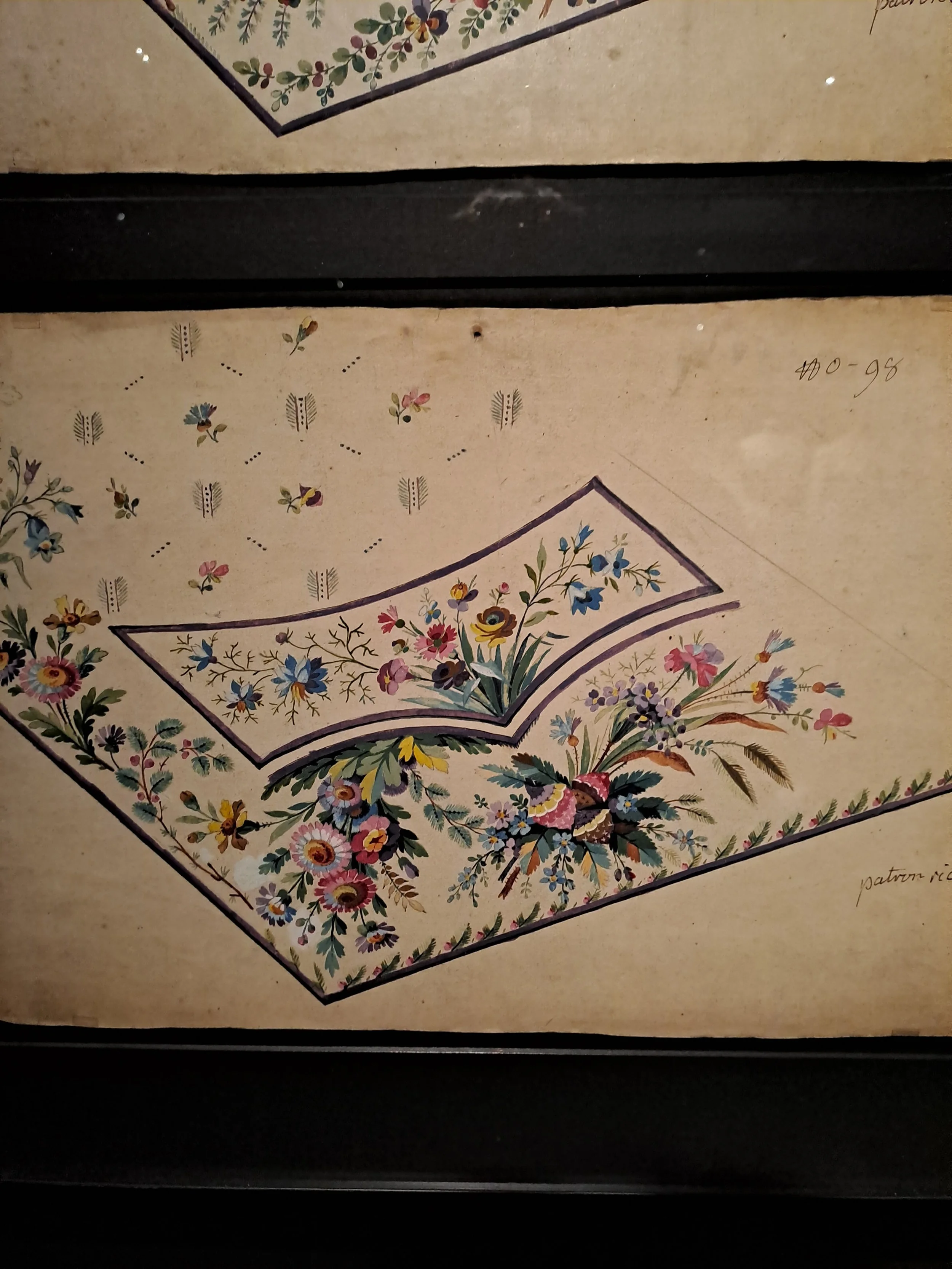
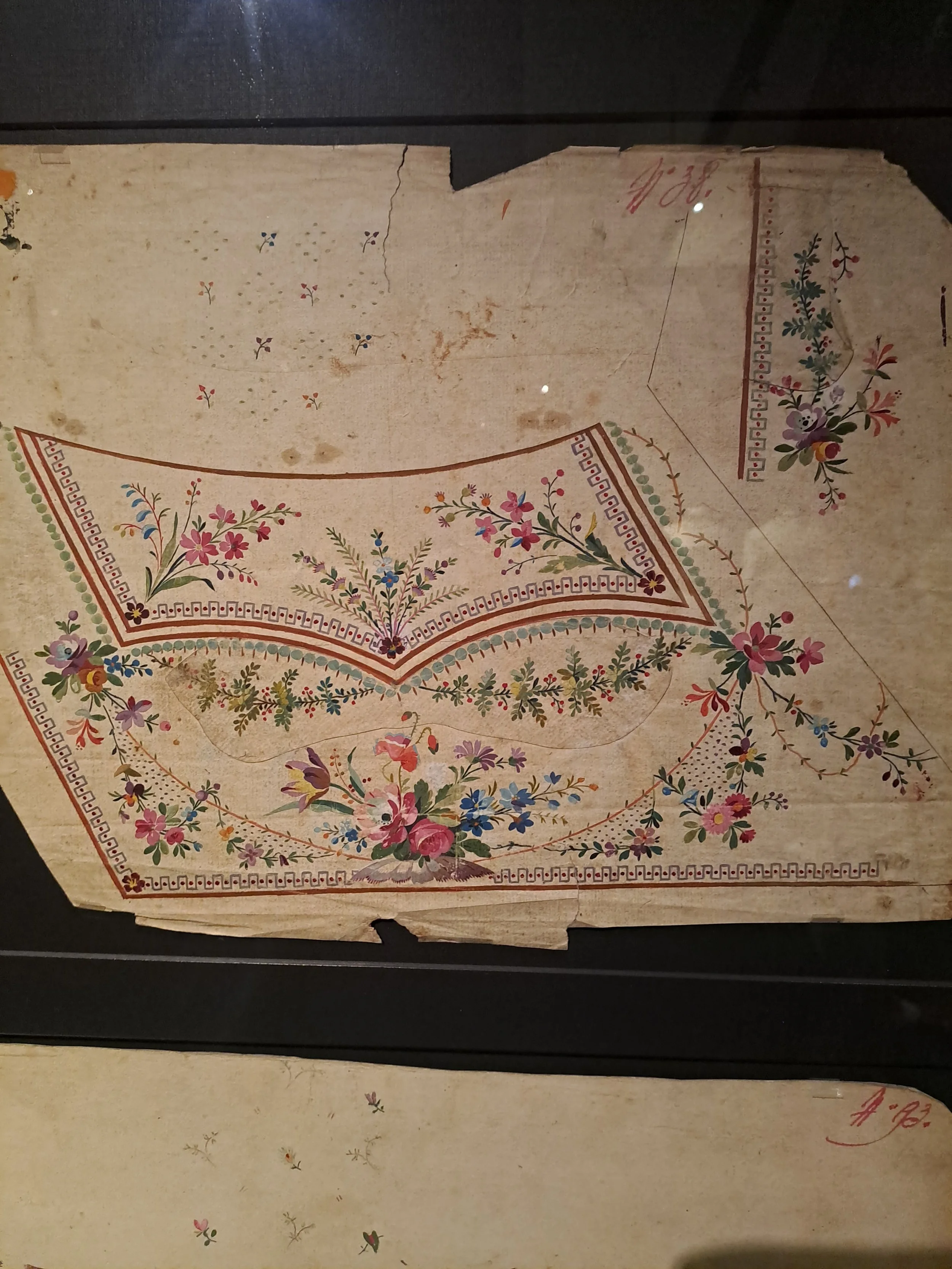
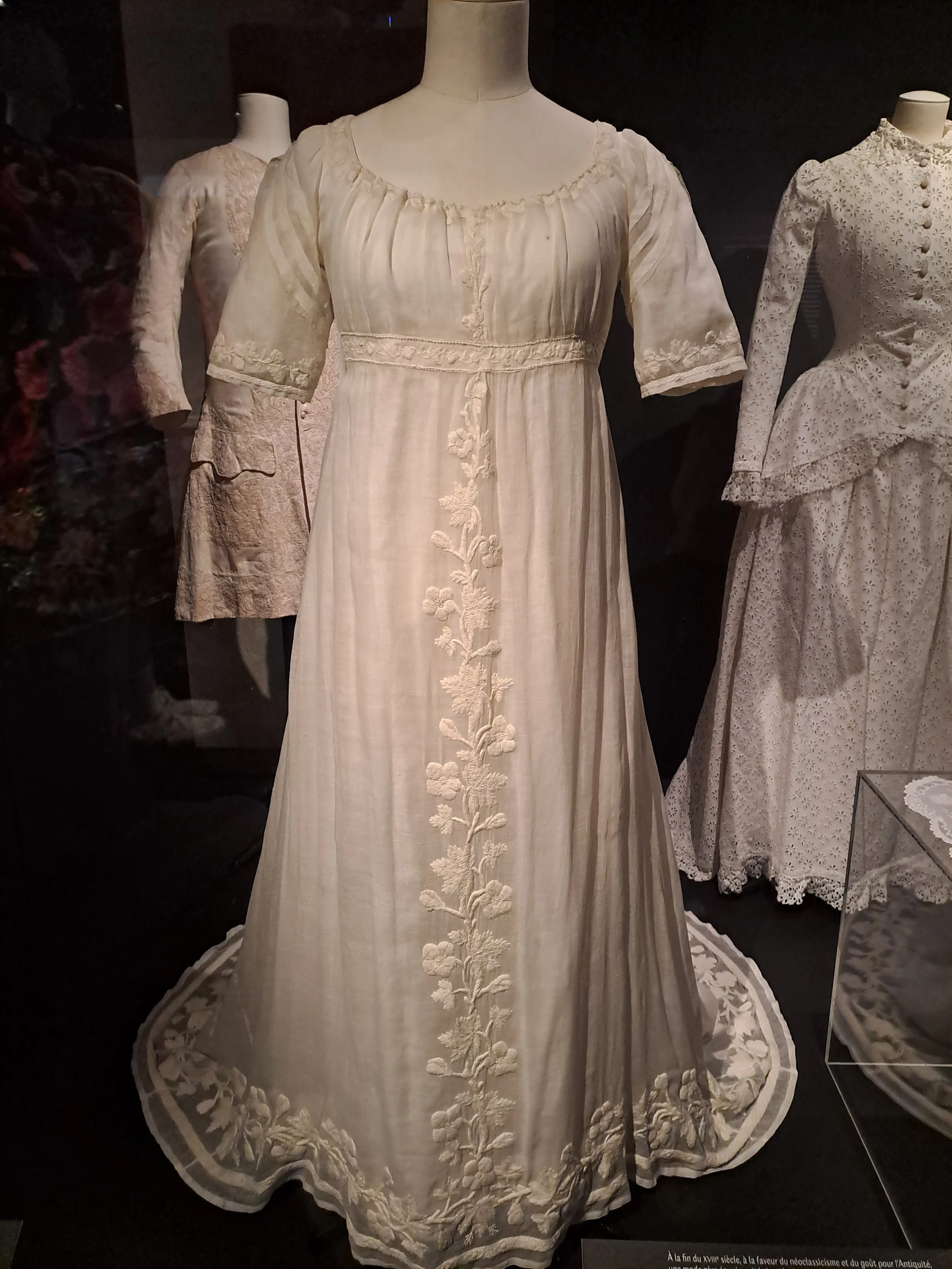
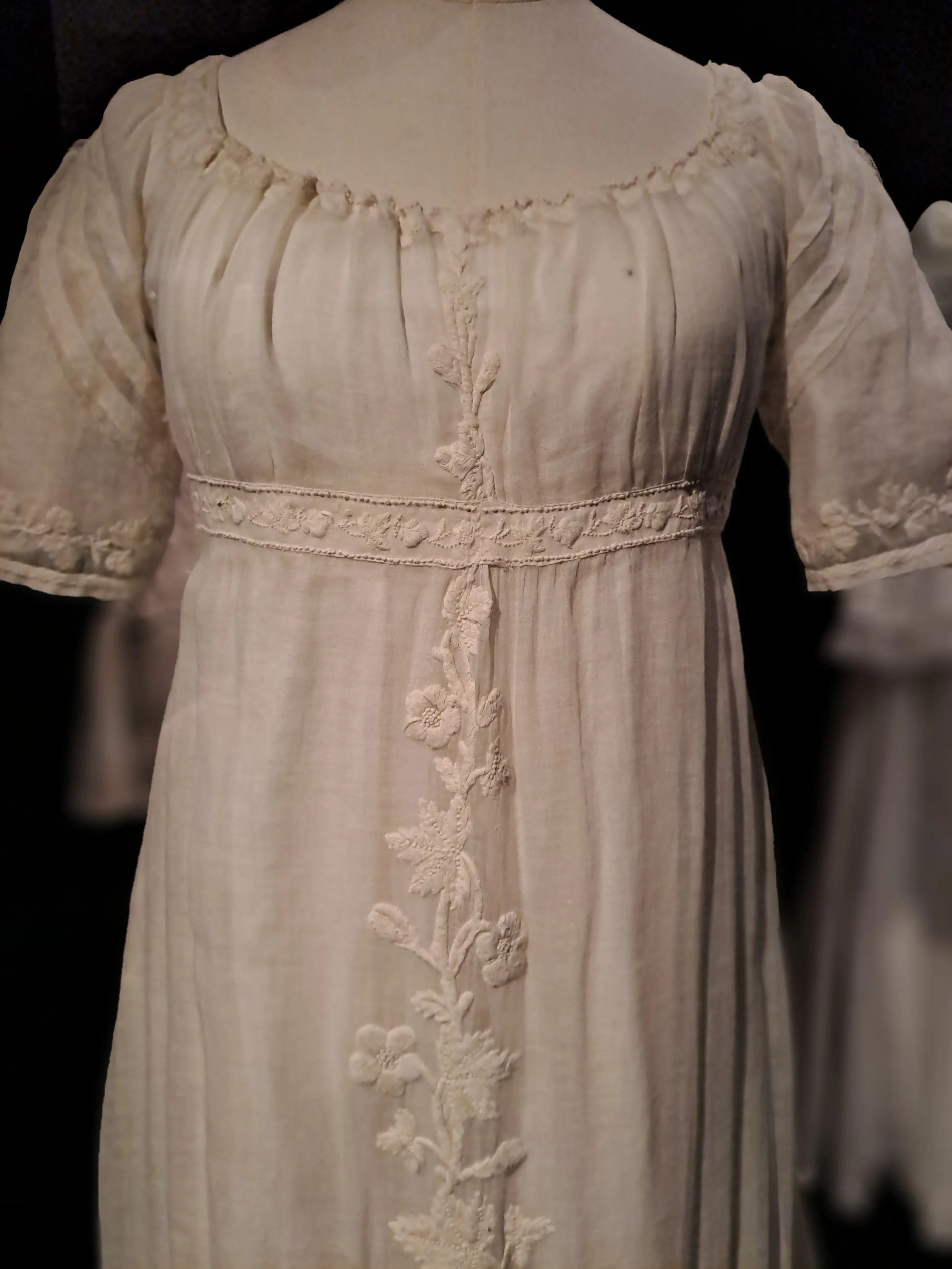
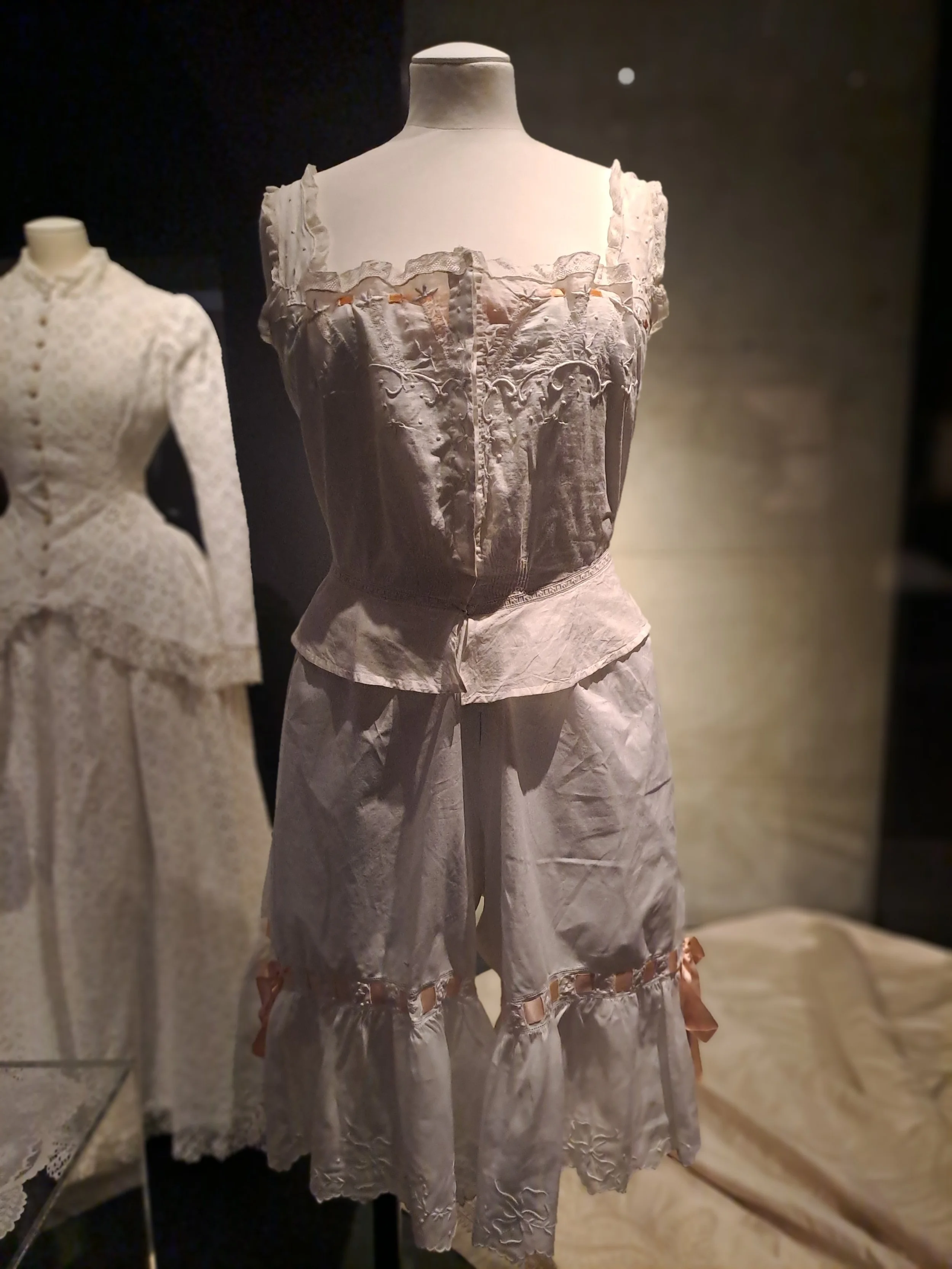
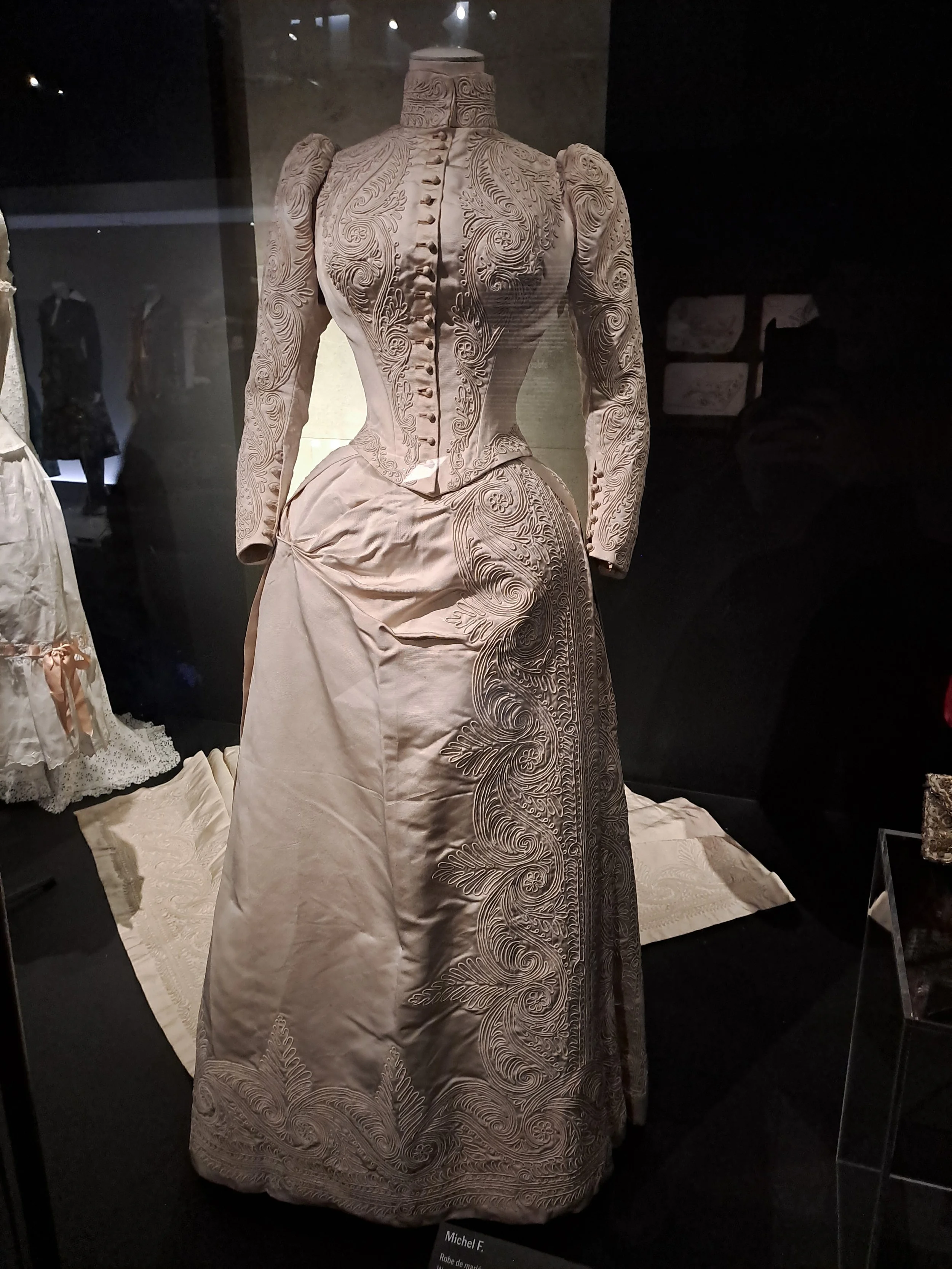
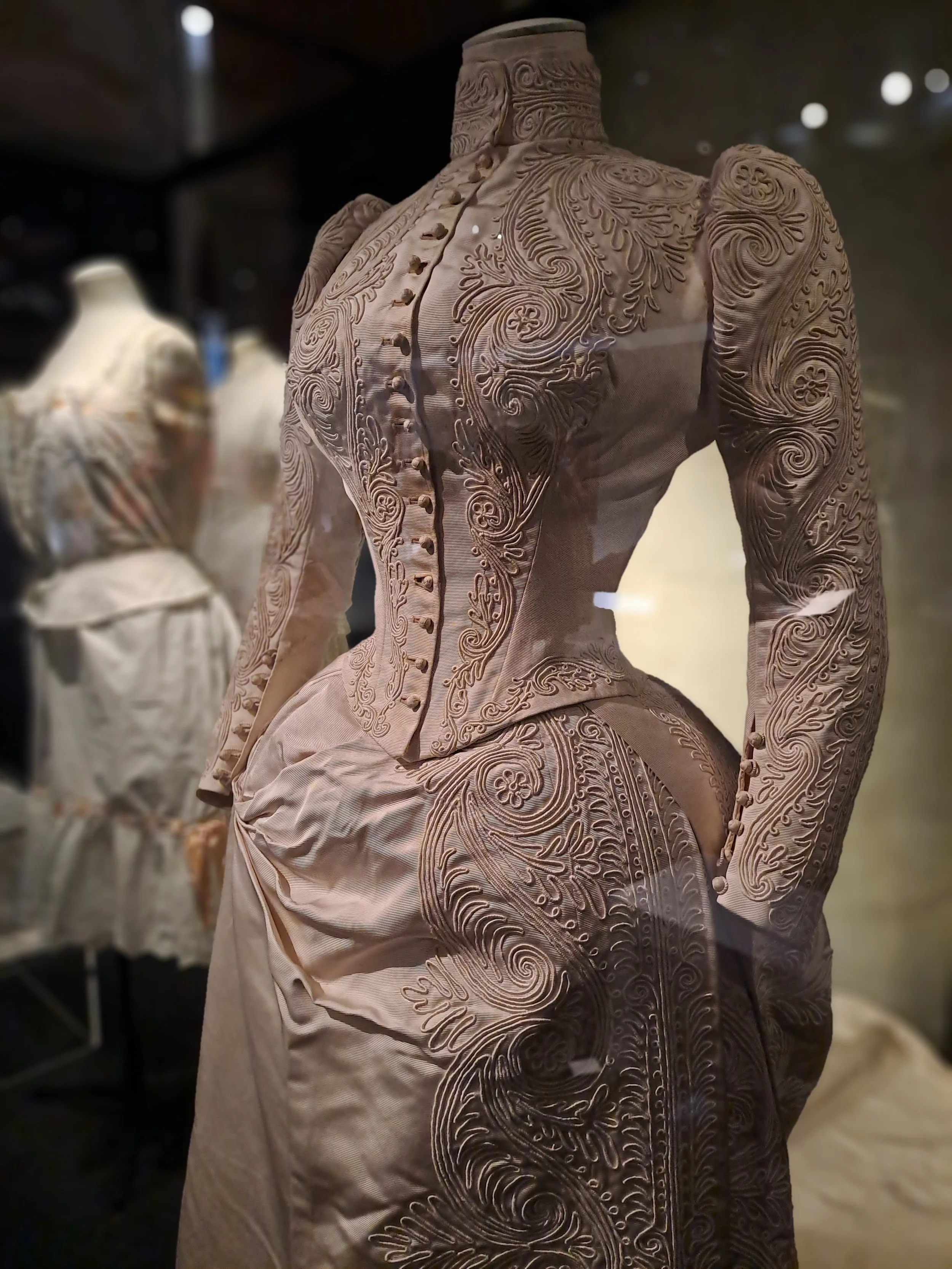
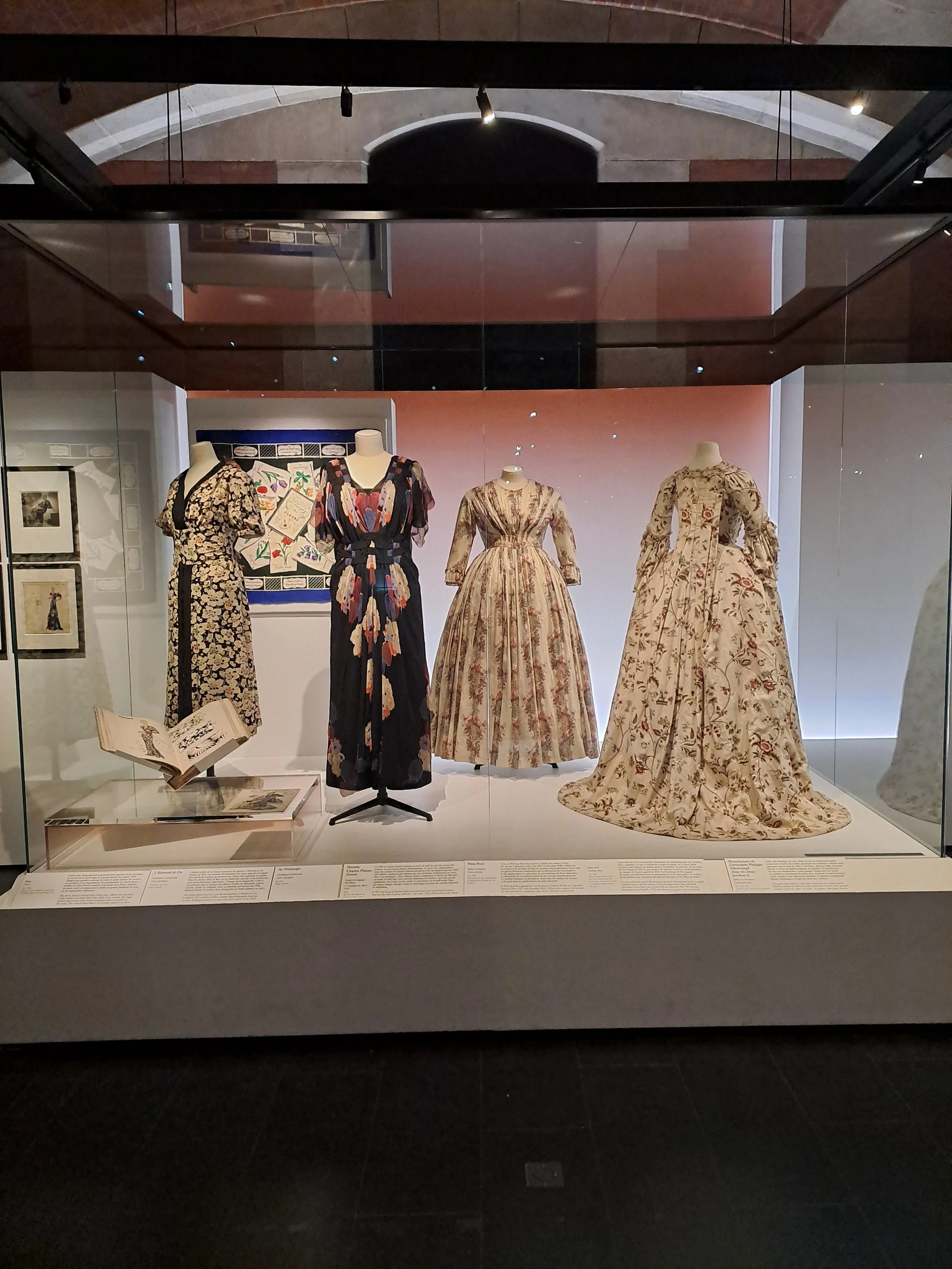
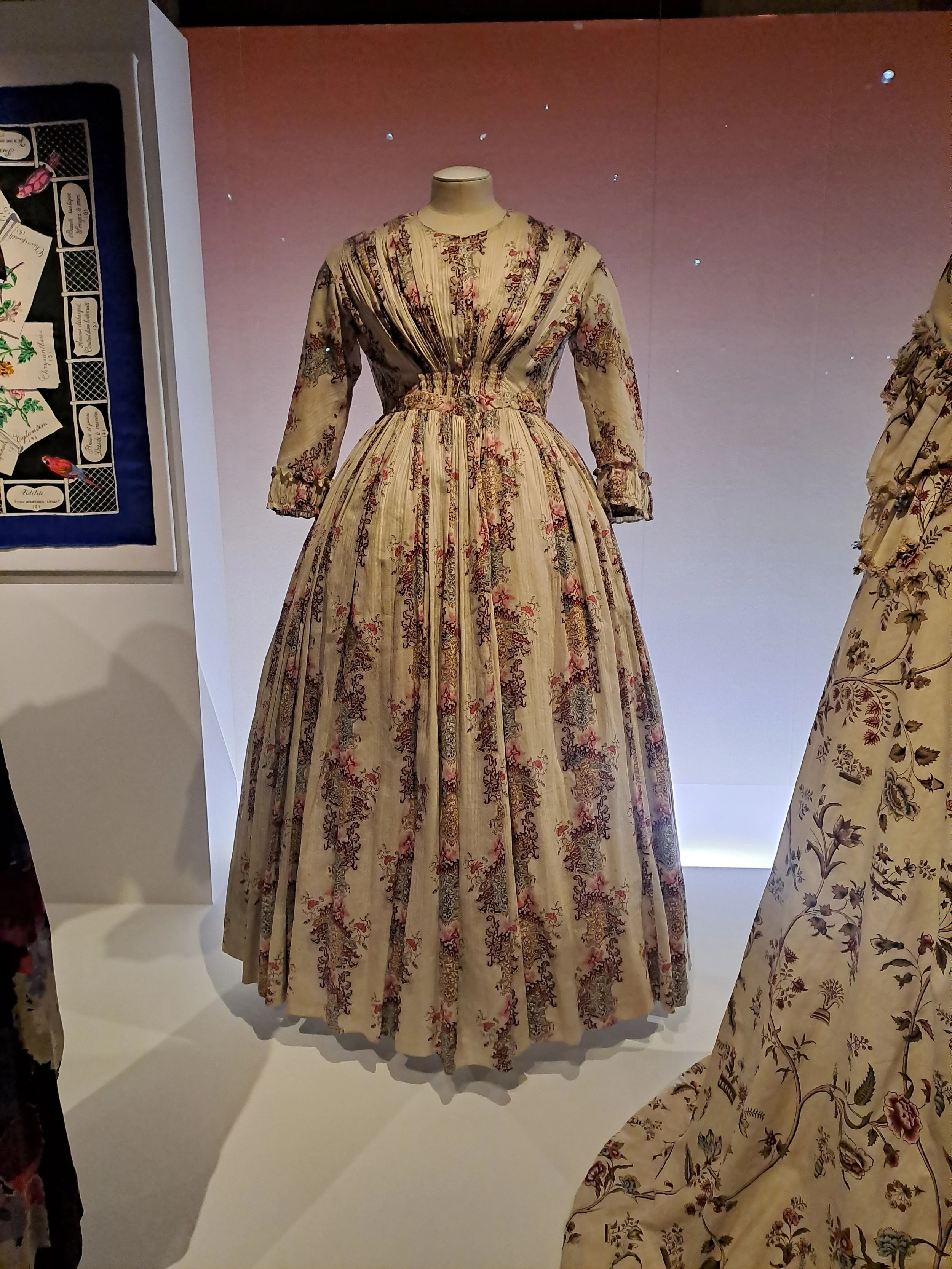
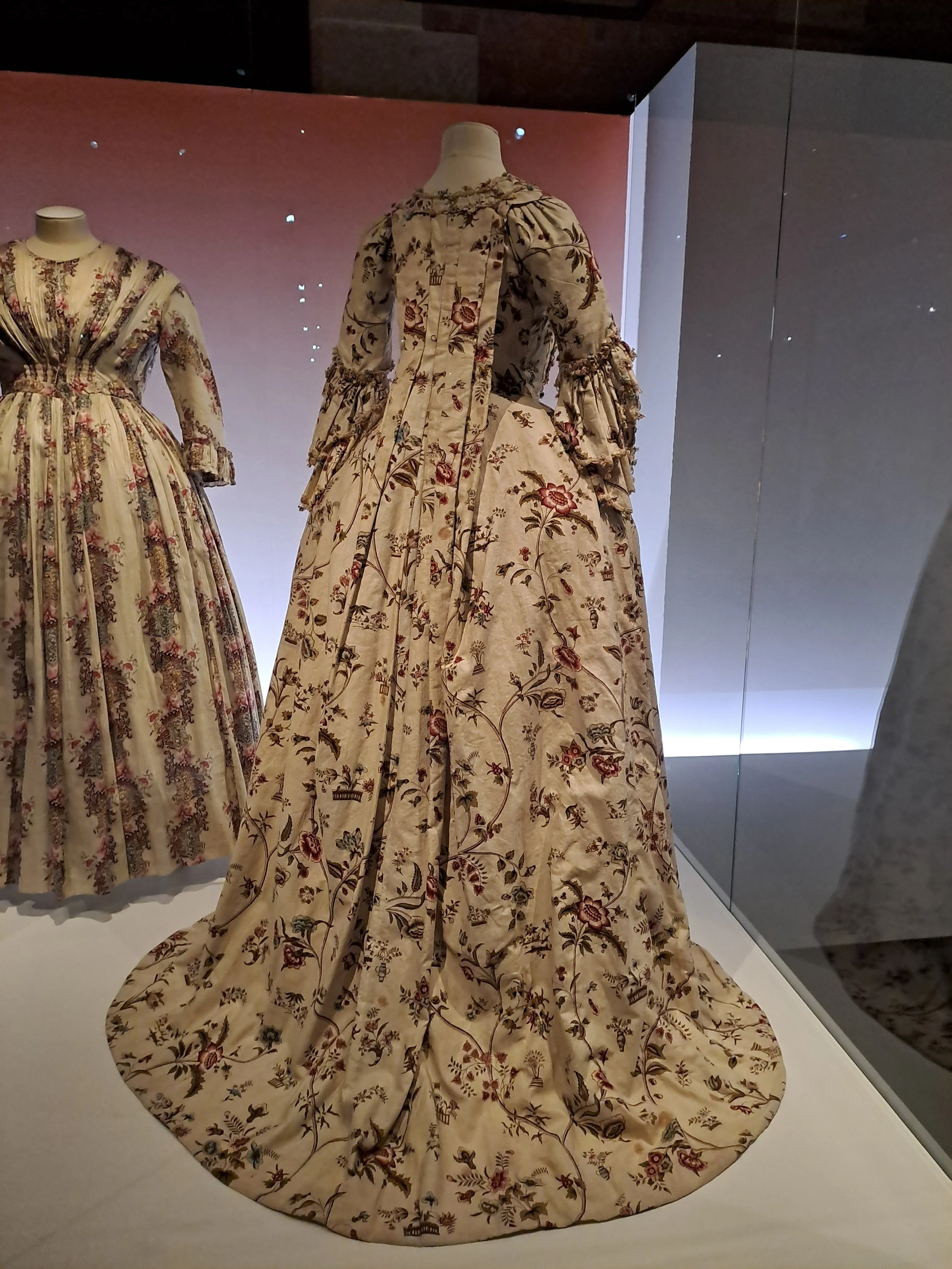
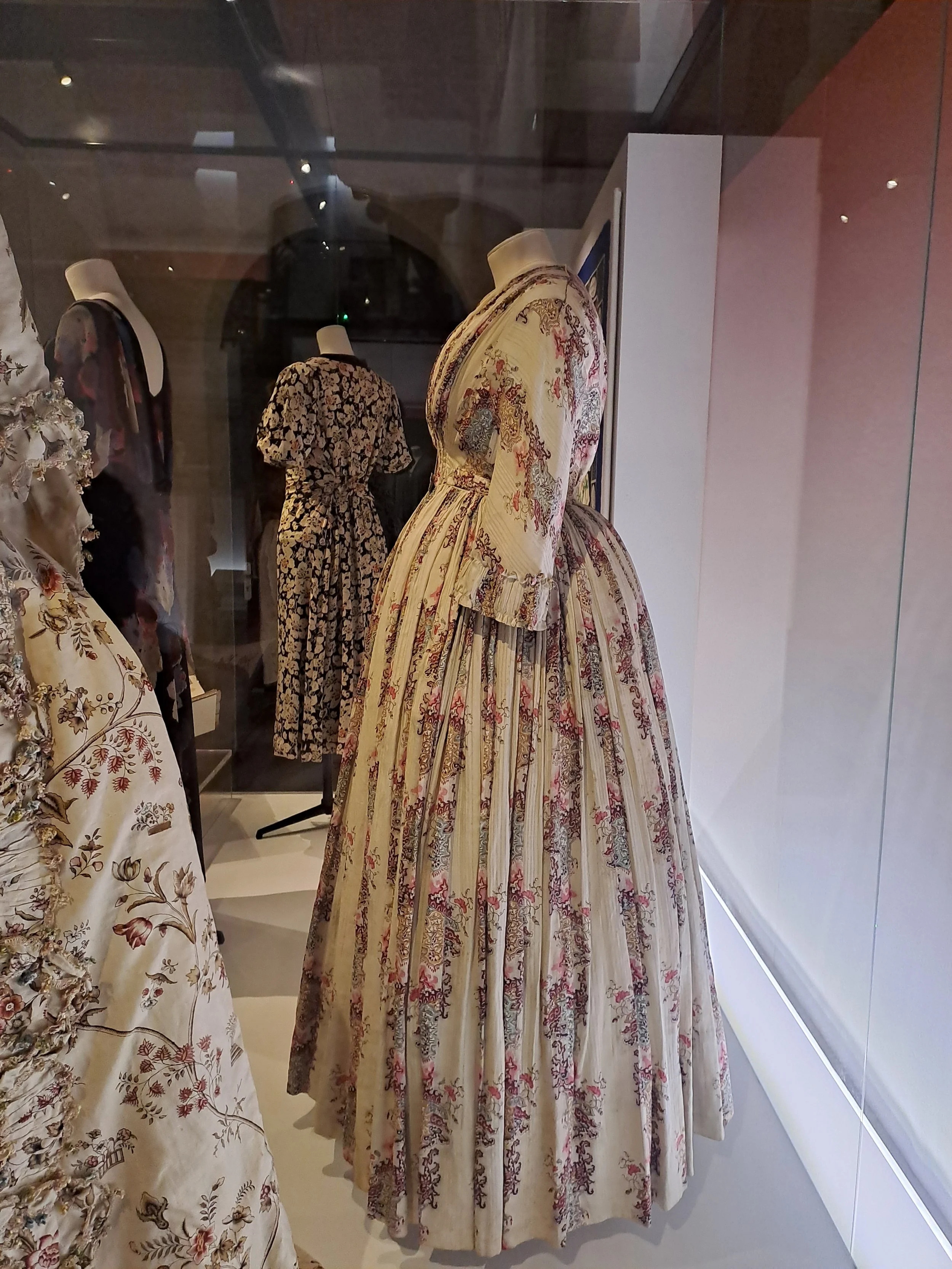
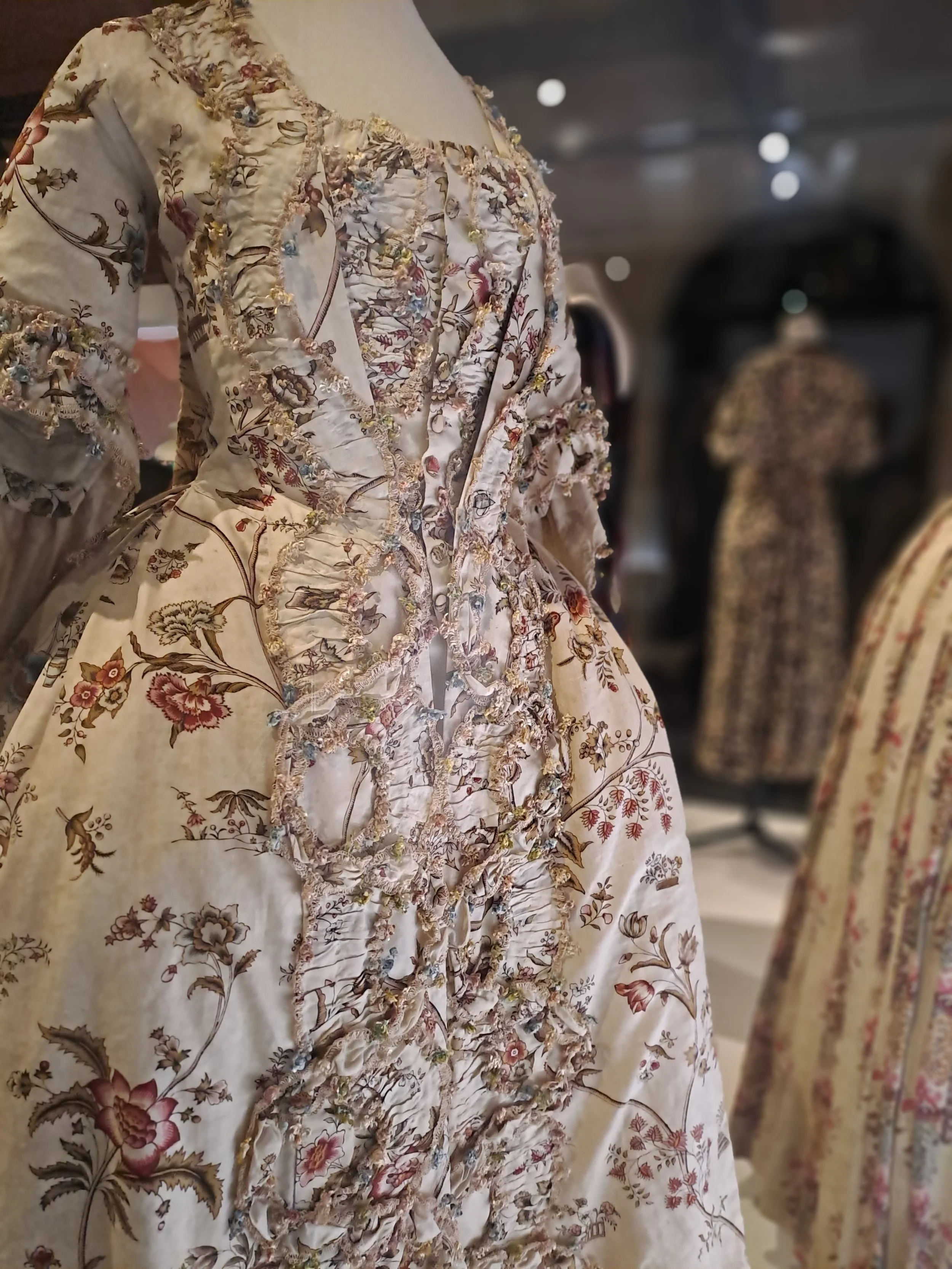
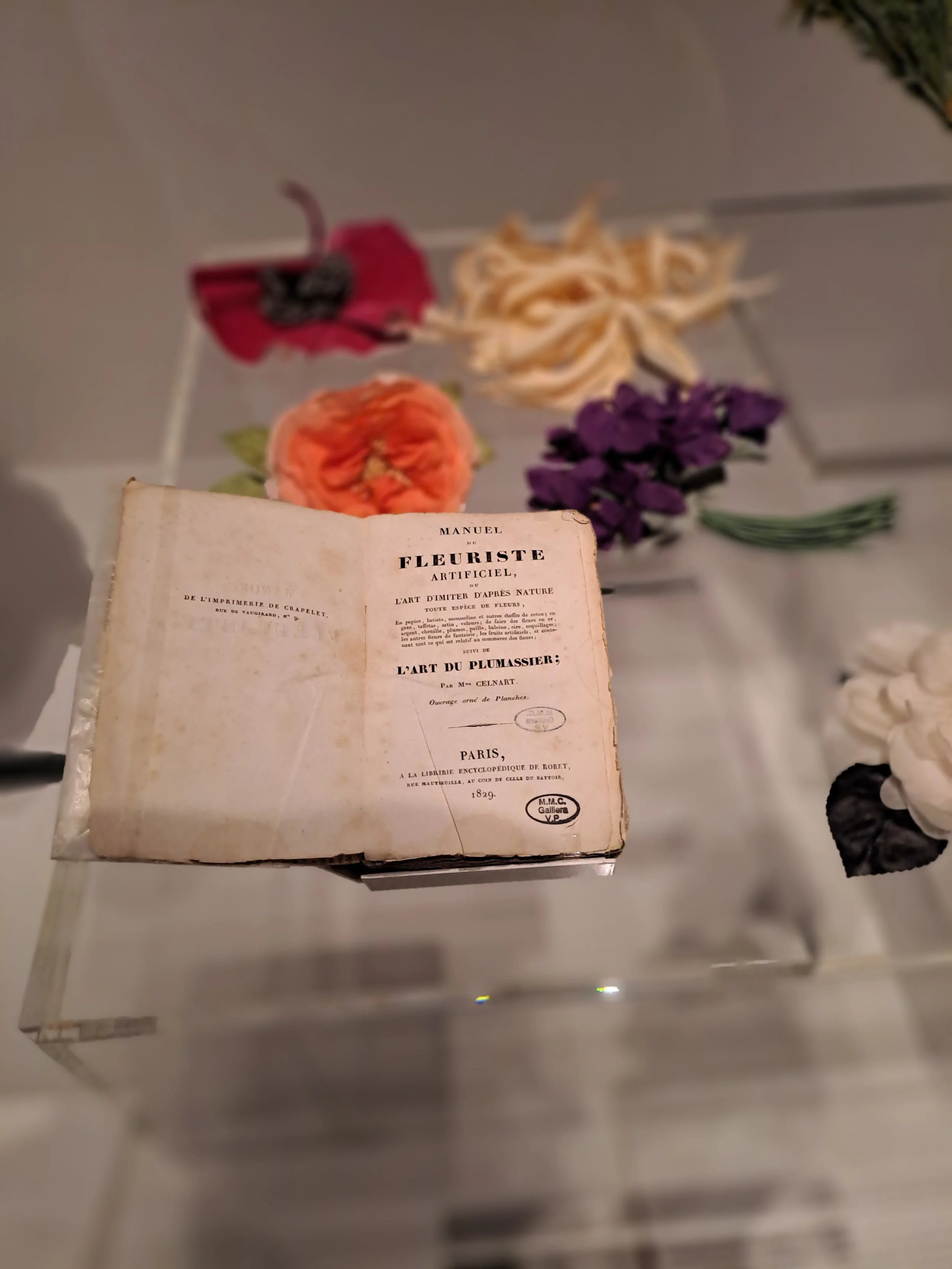
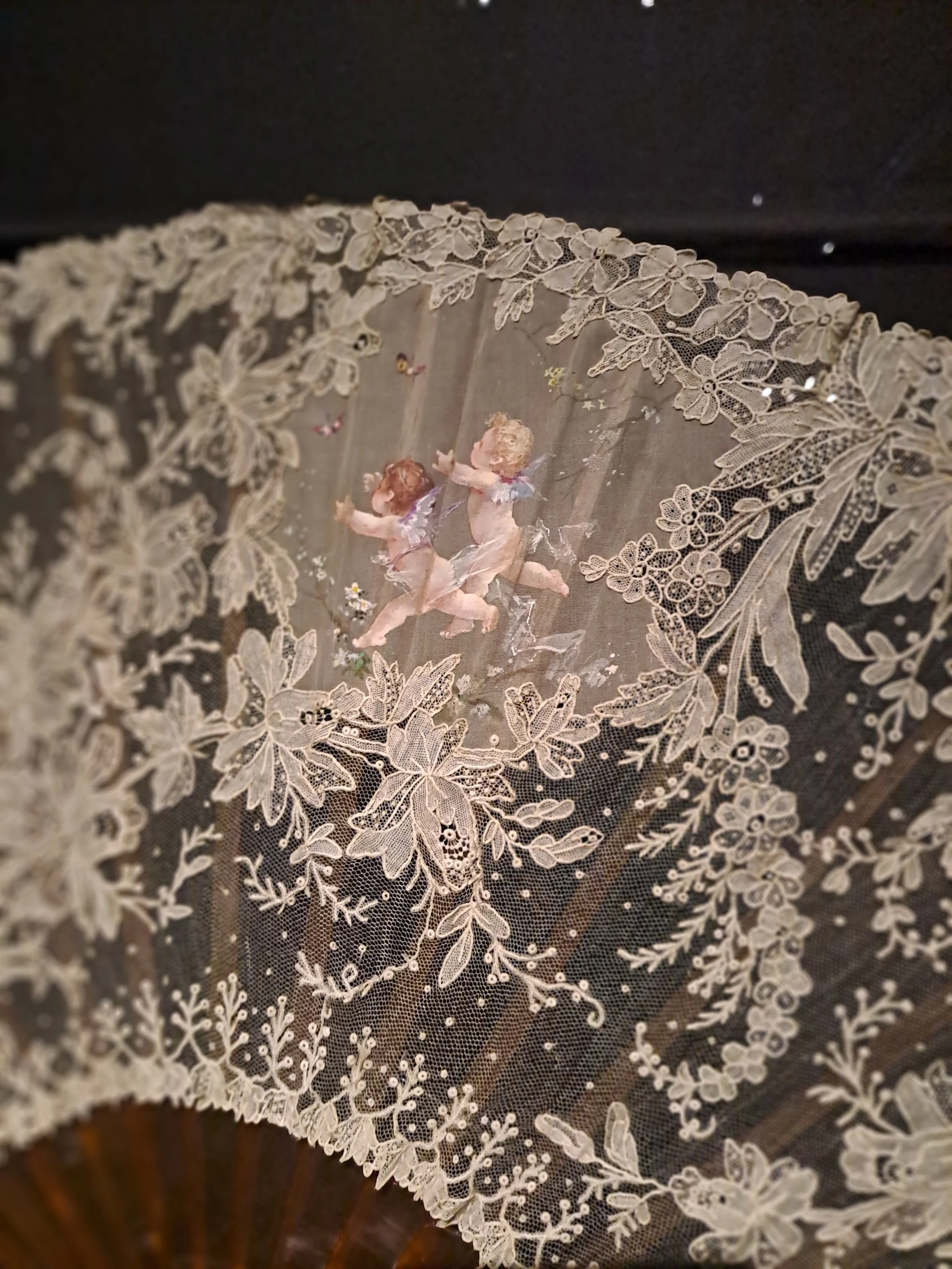
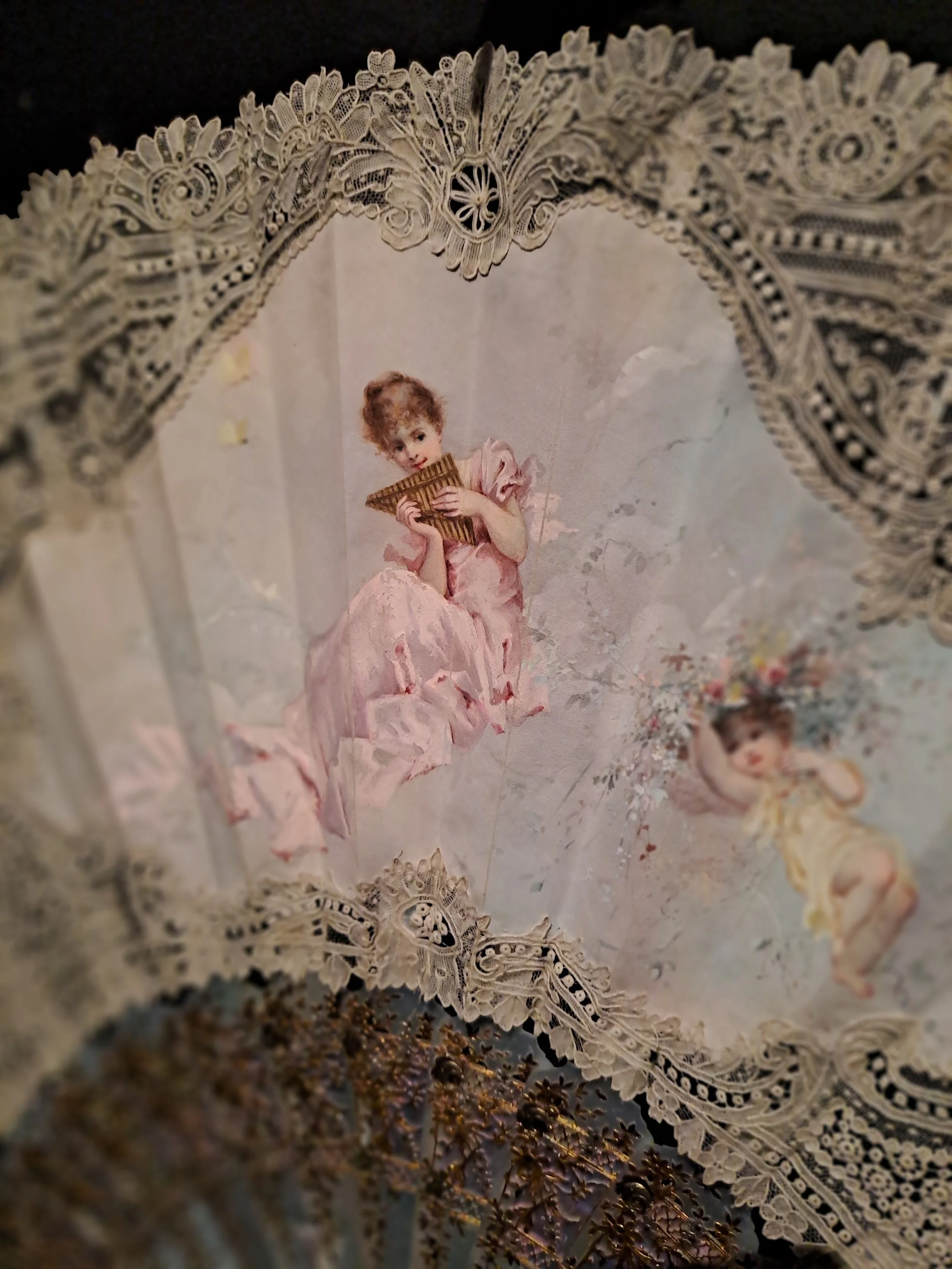
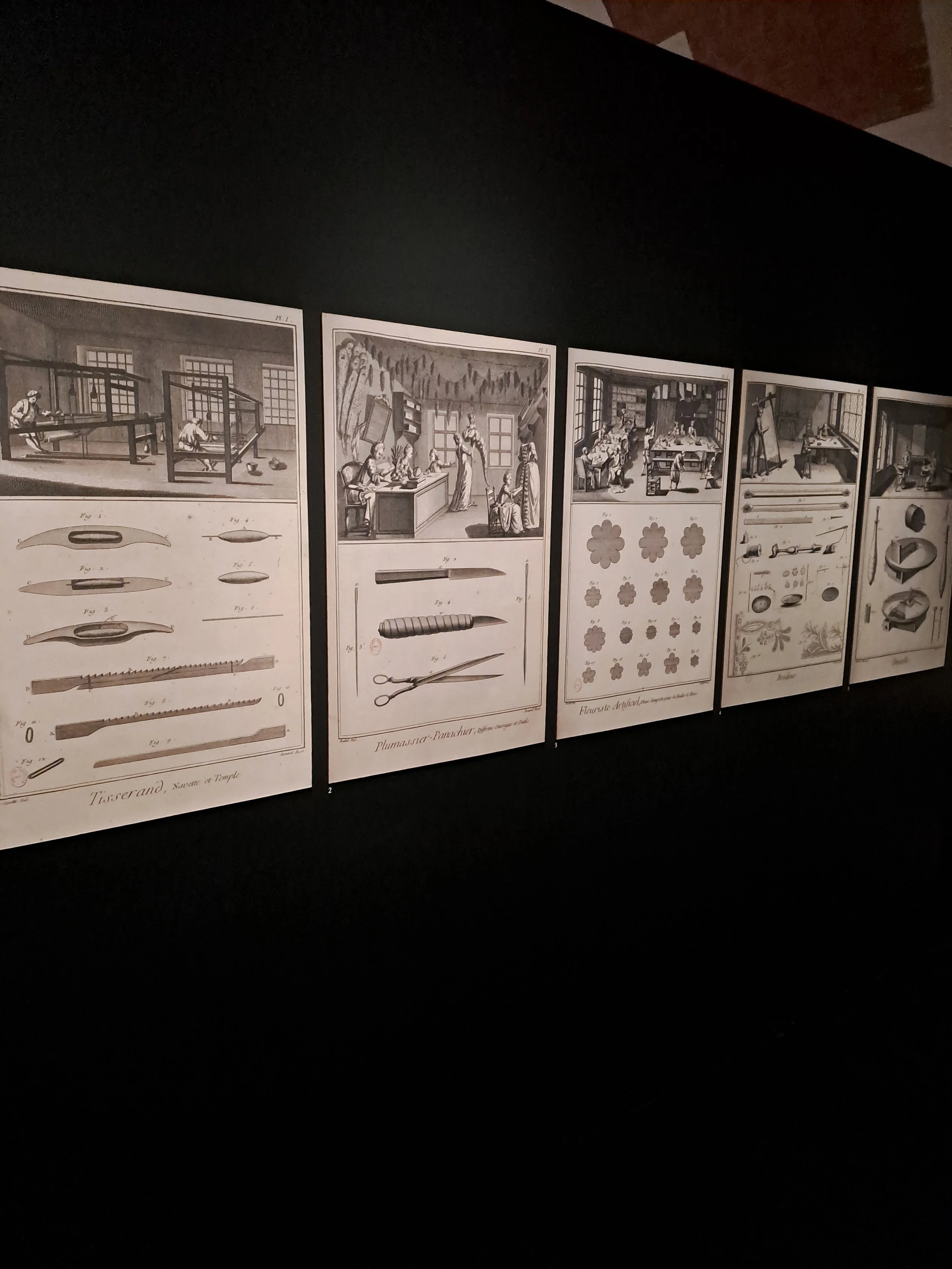
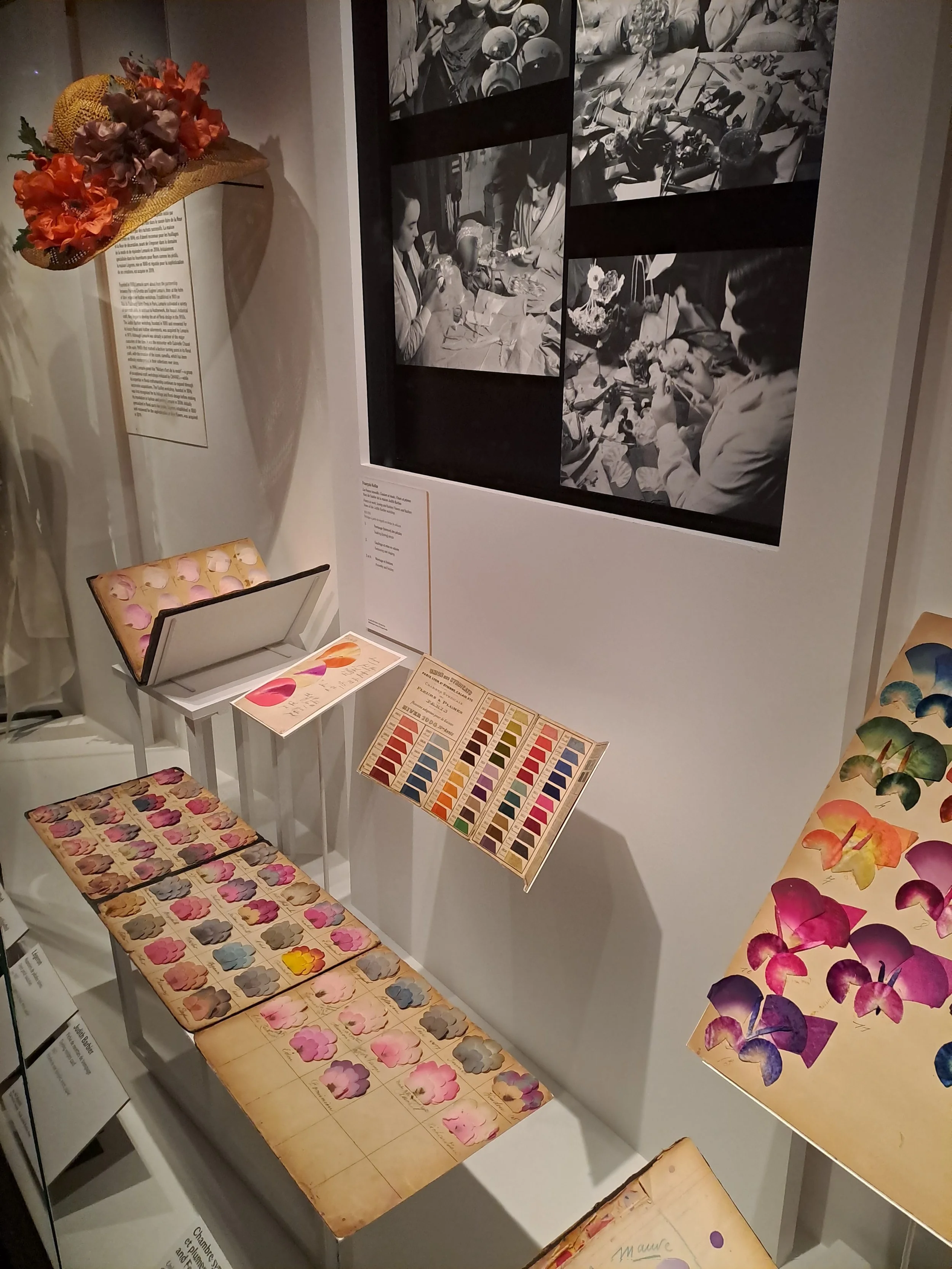
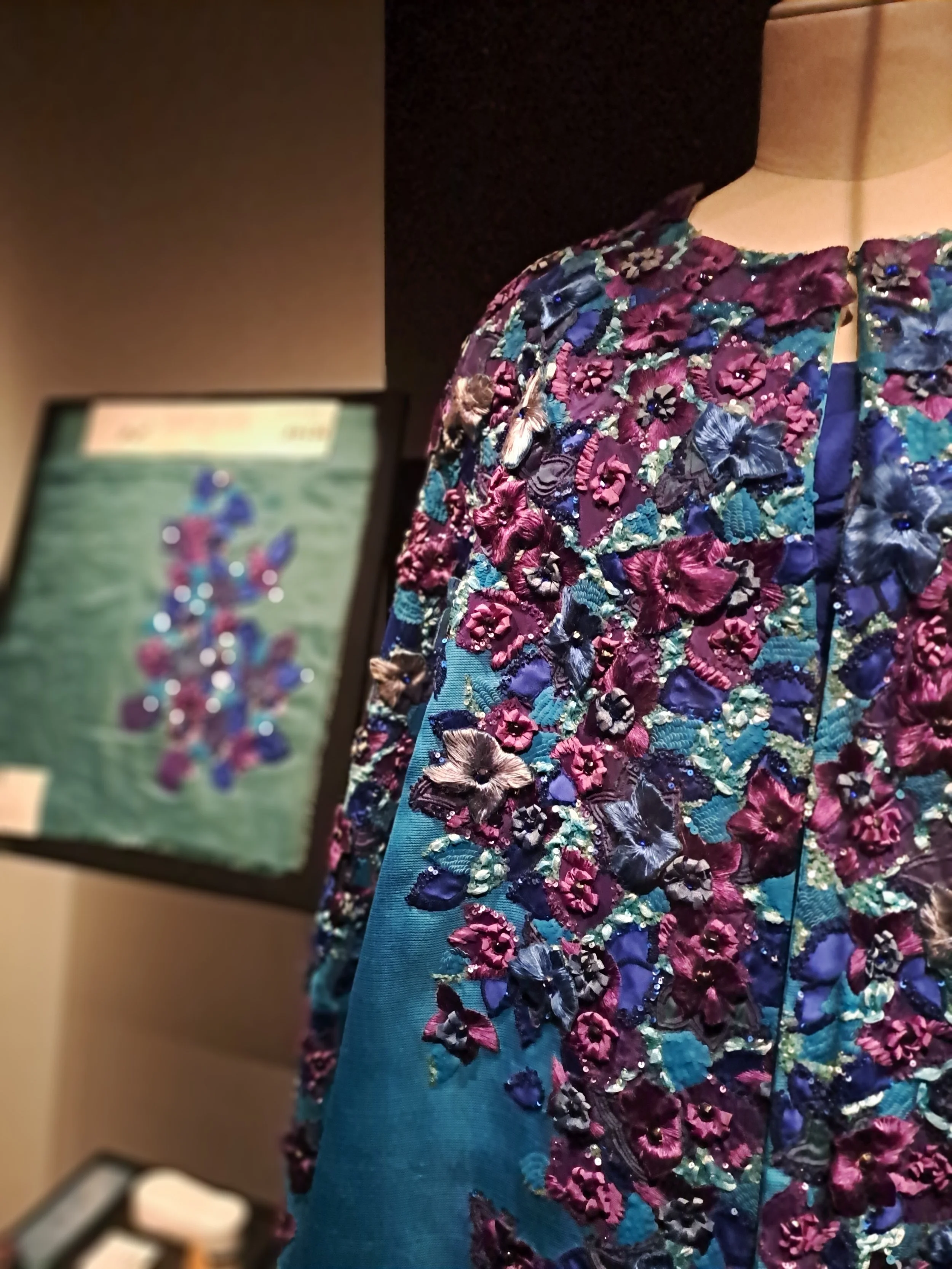
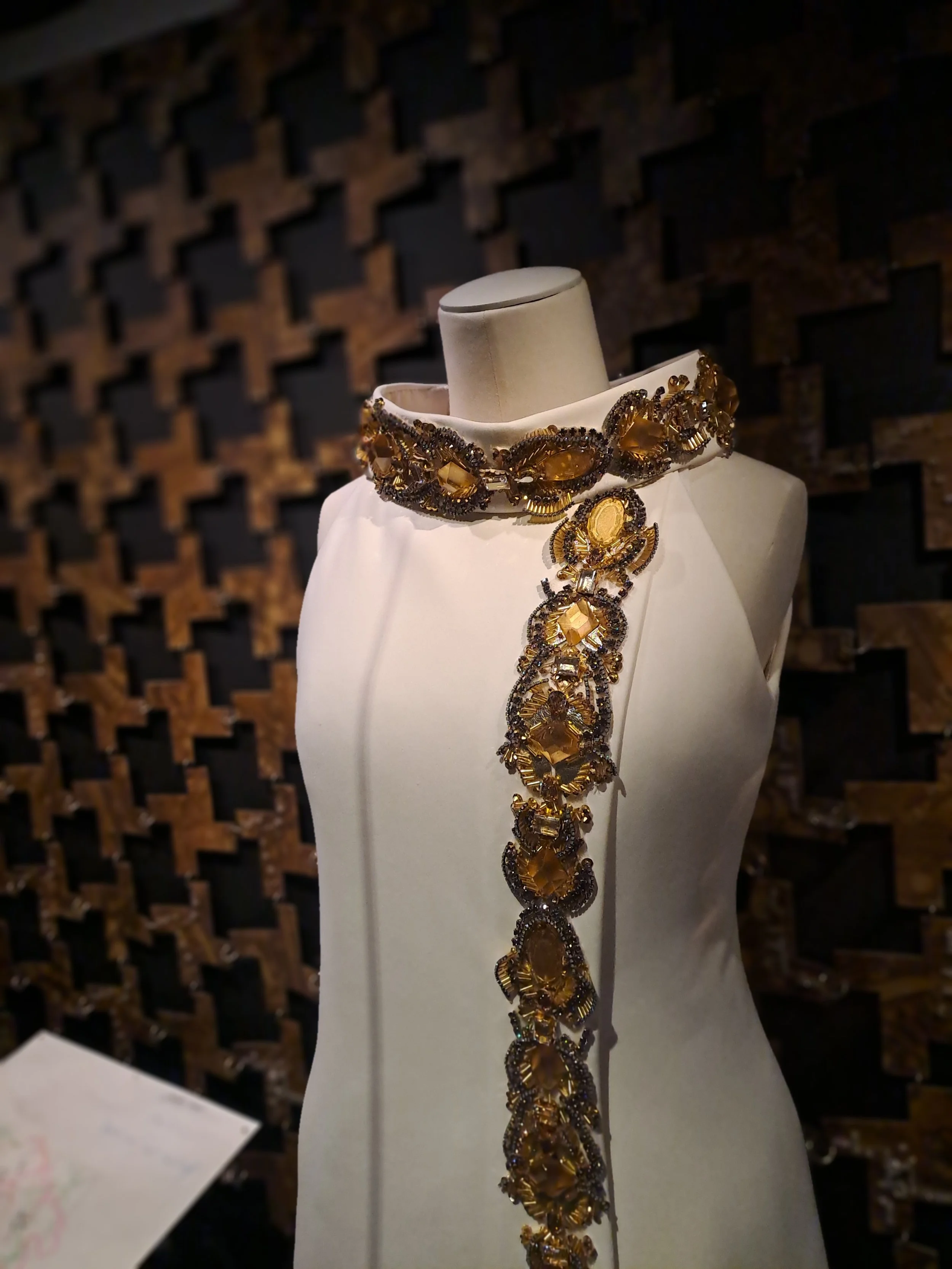
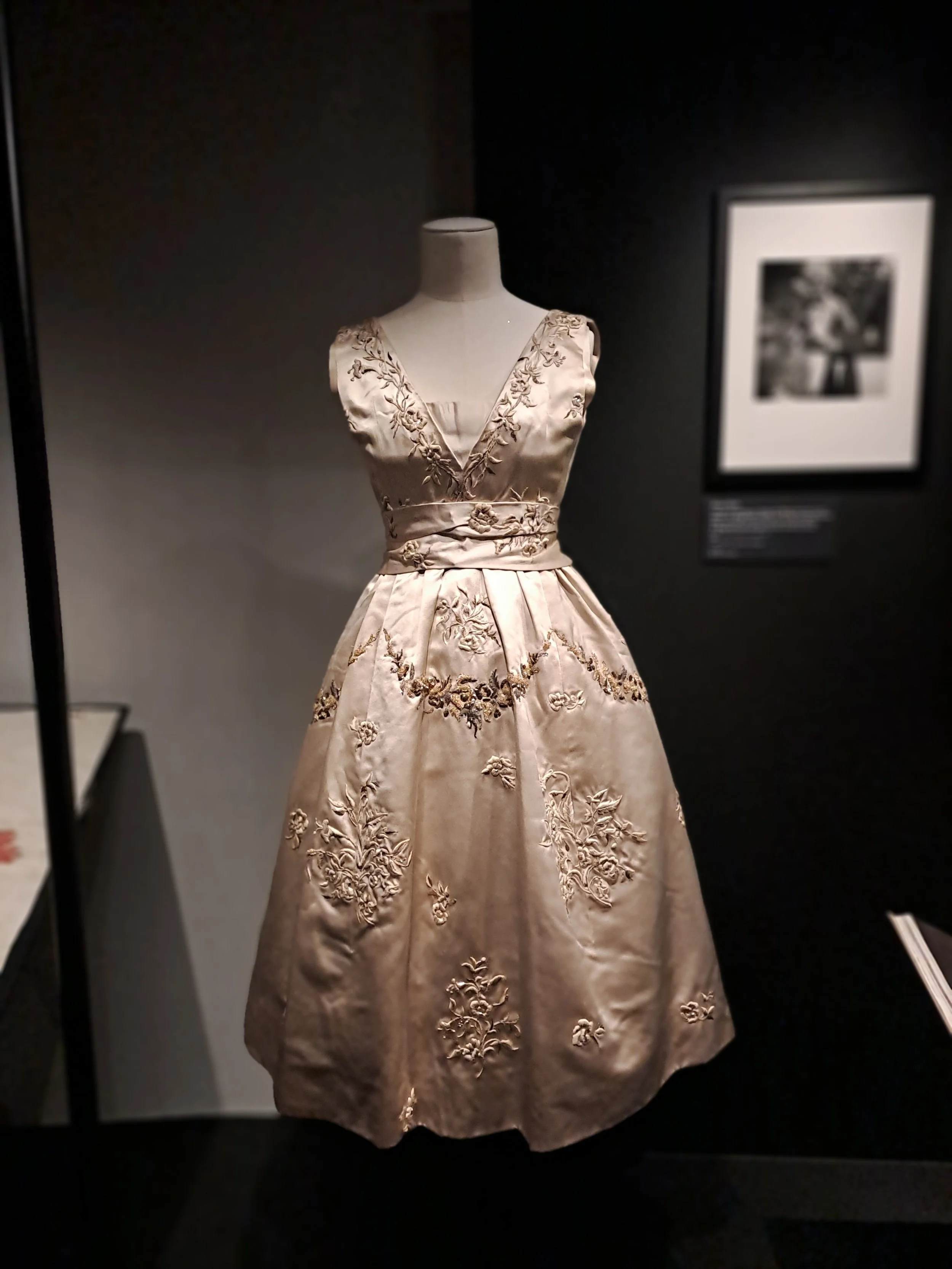
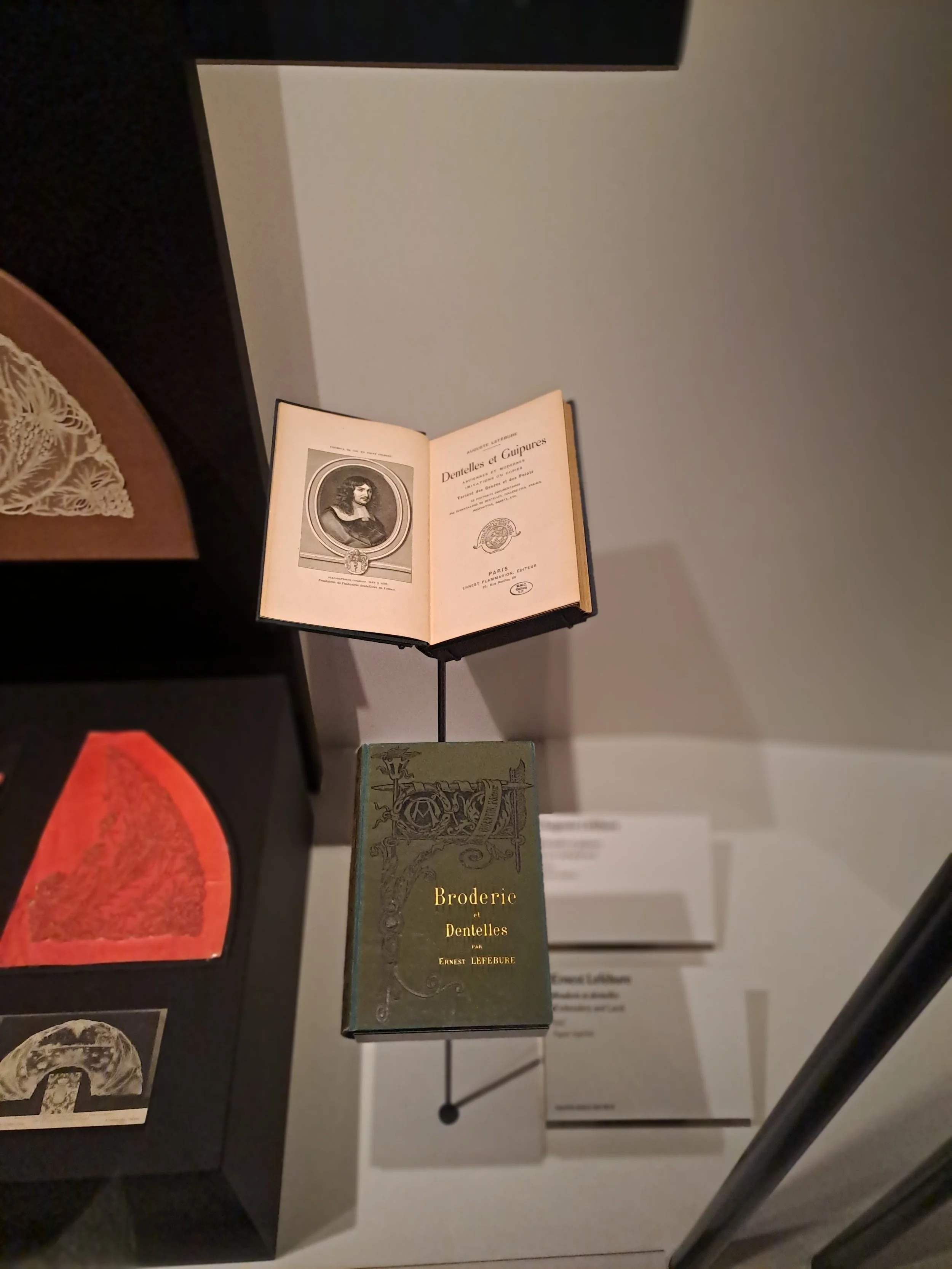
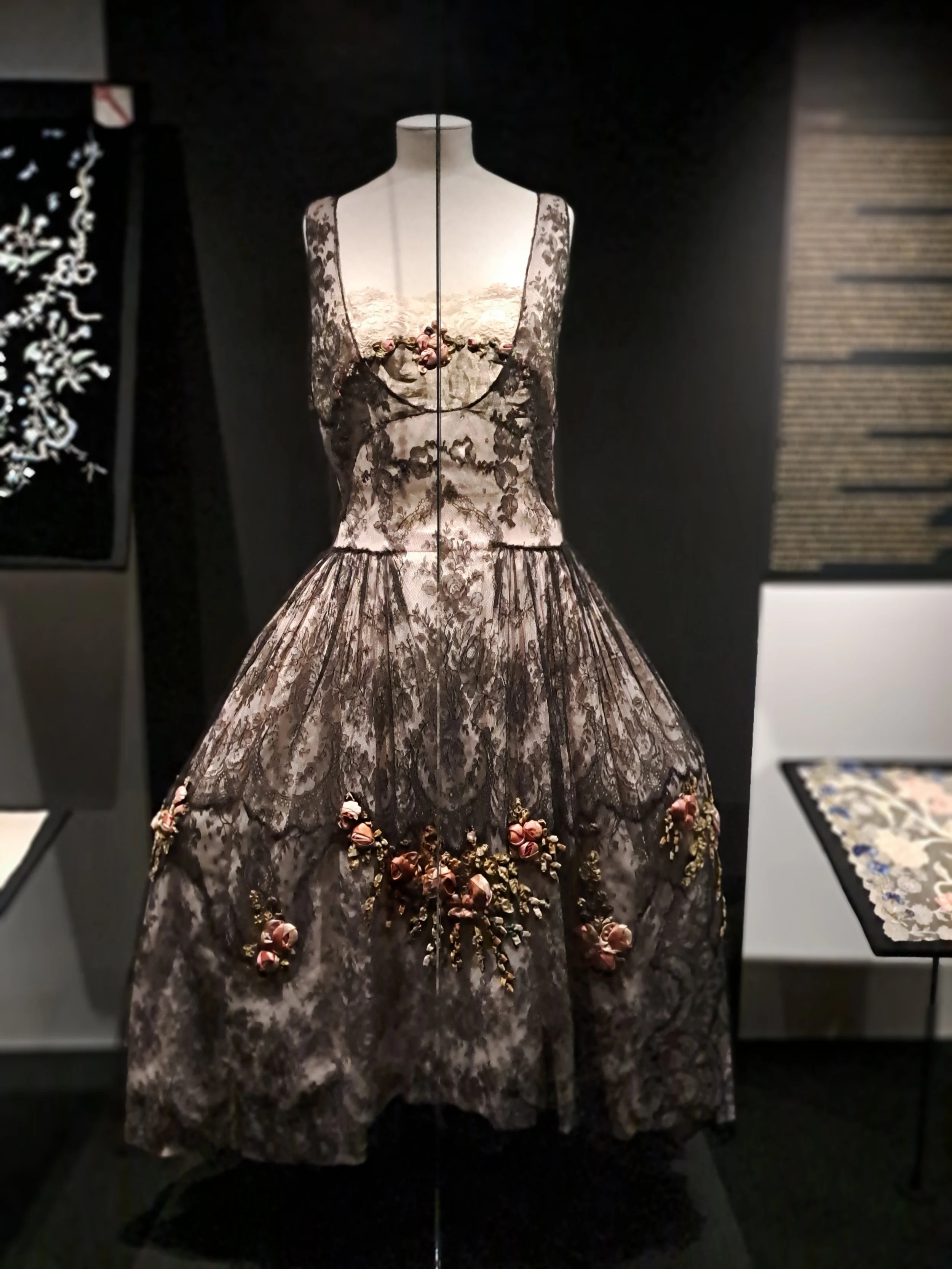
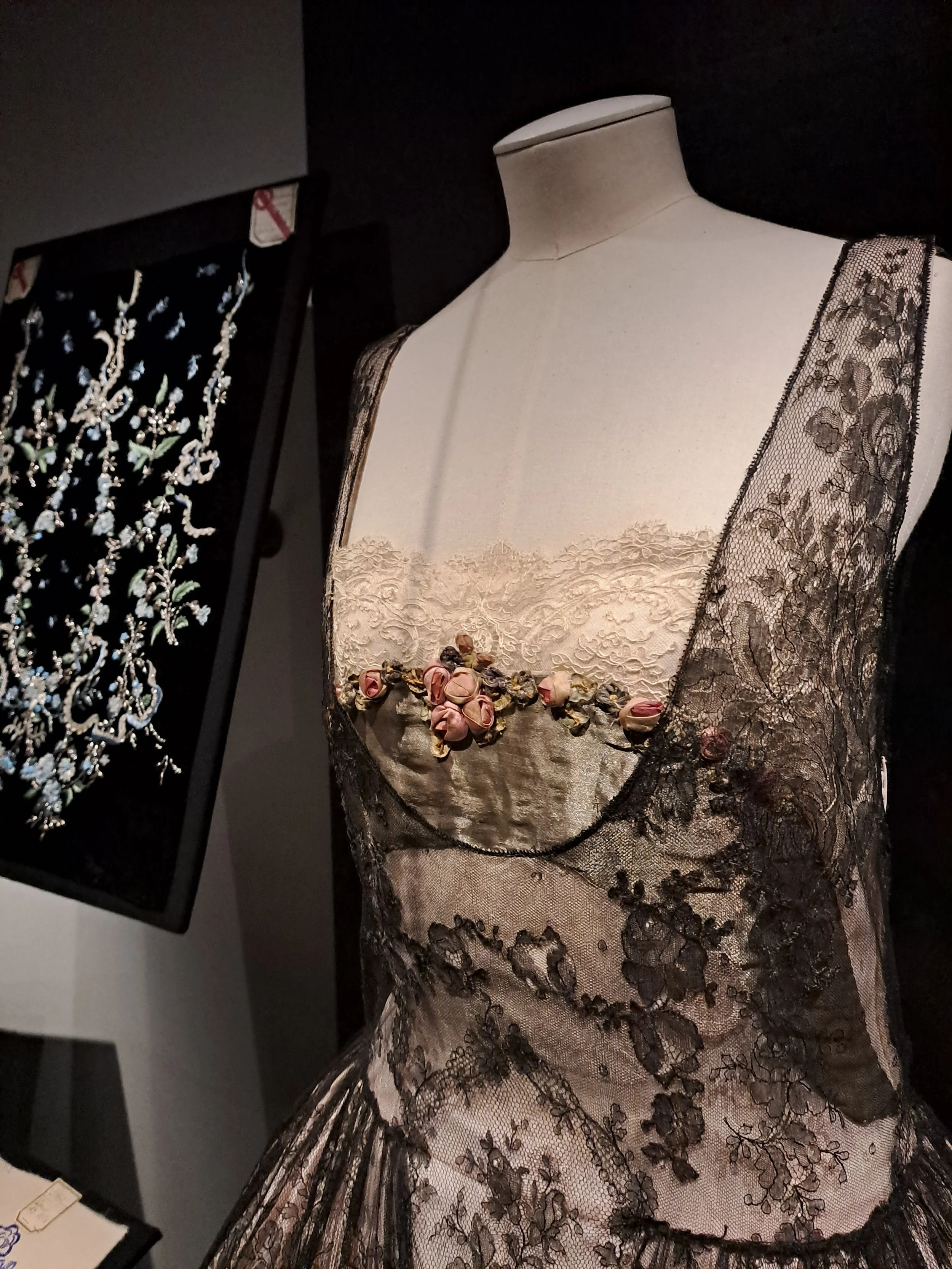
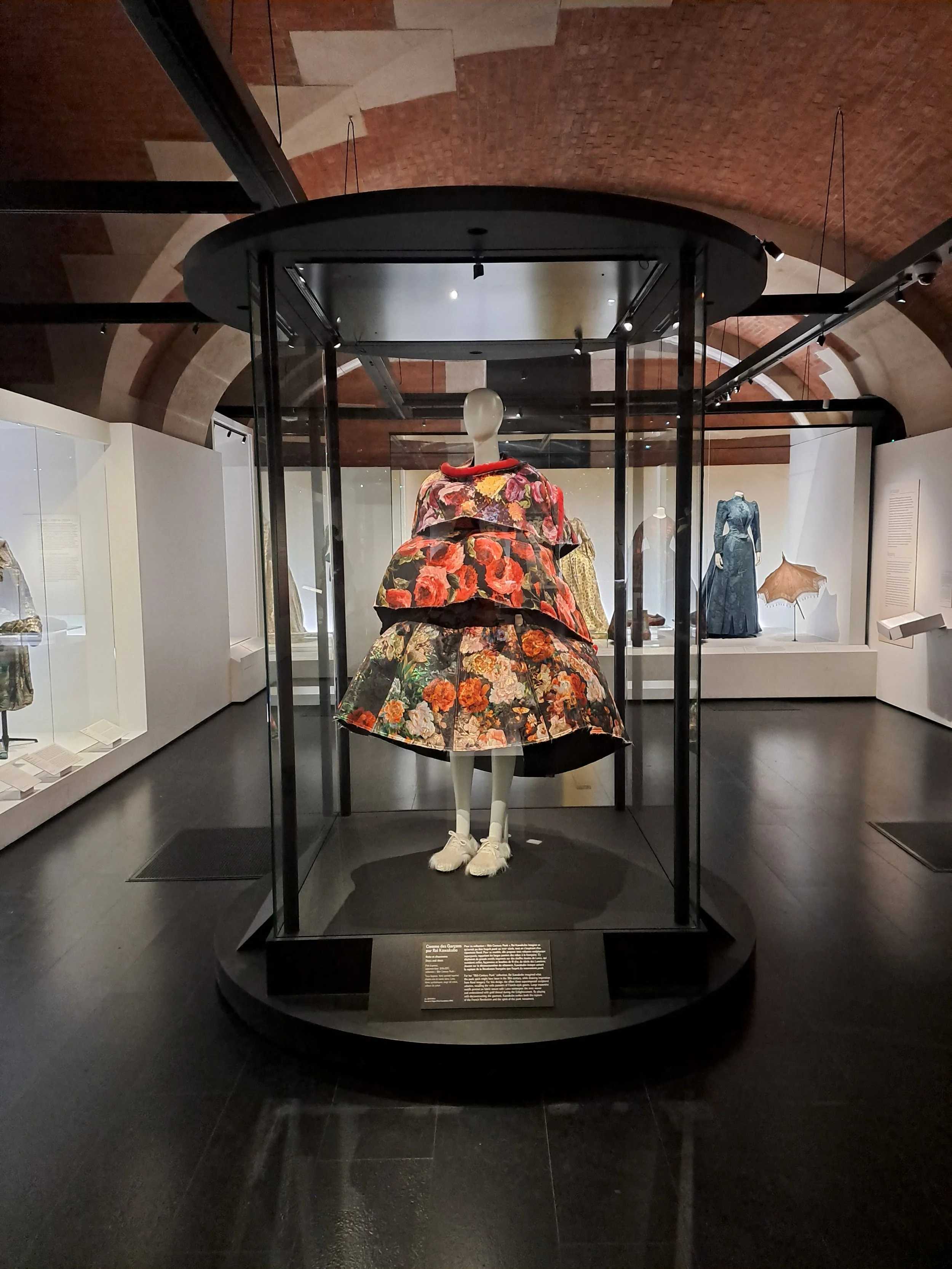
The exhibition spans the 18th century to the present day, bringing together more than 350 works including garments, accessories, sample books, photographs, engravings, illustrations and craft manuals. The selection is intentionally varied, encouraging you to read fashion not only through finished silhouettes but through the crafts and materials that underpin them. The display also encourages a mode of looking that is slower, considered and more attentive. Display cases are equipped with magnifying glasses, inviting close observation of the tiniest of details, easily overlooked in blockbuster fashion exhibitions. This approach asks us to move beyond the initially striking visual impact of garments to reveal the intimate complexity and creativity of their construction.
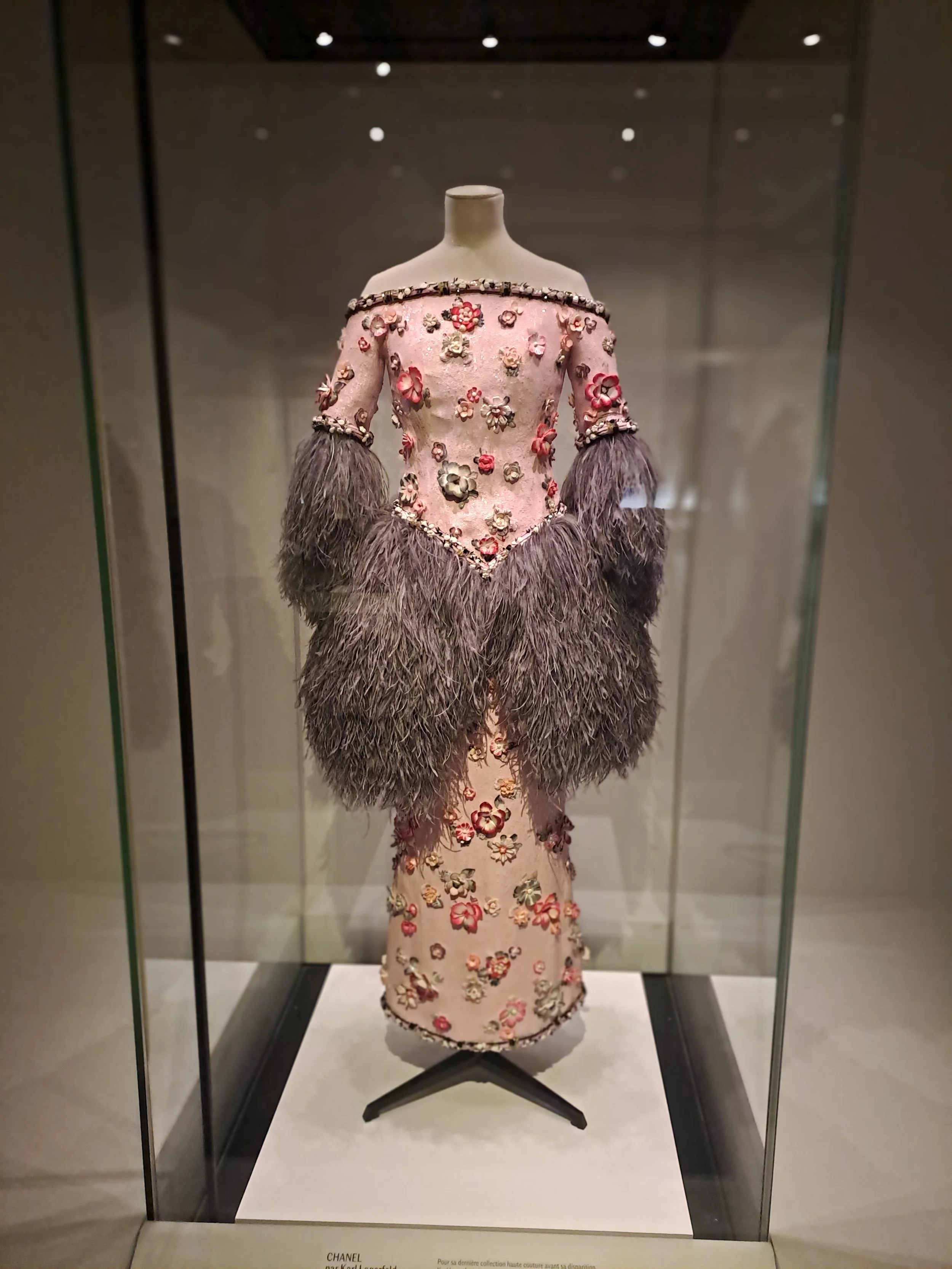
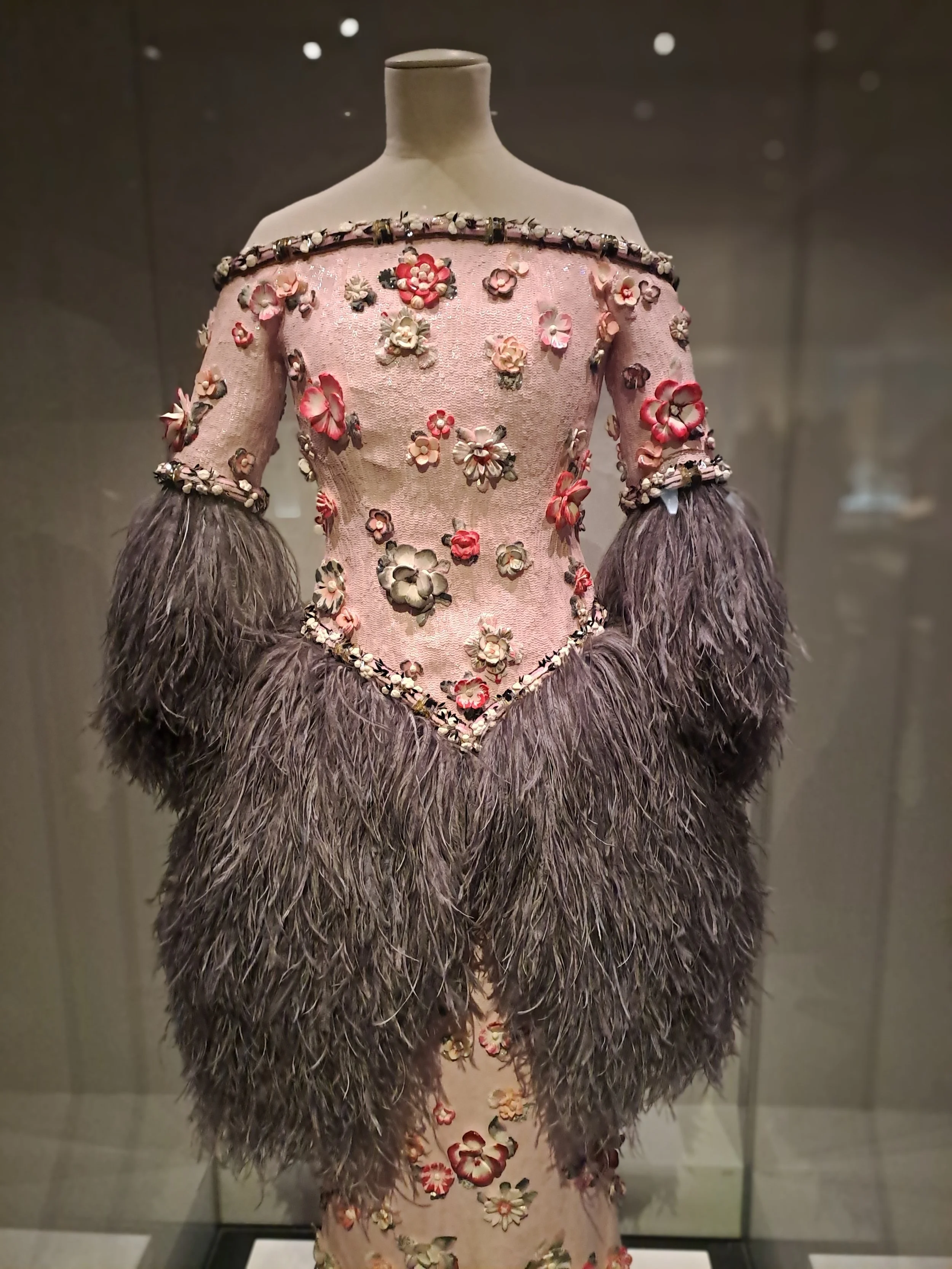
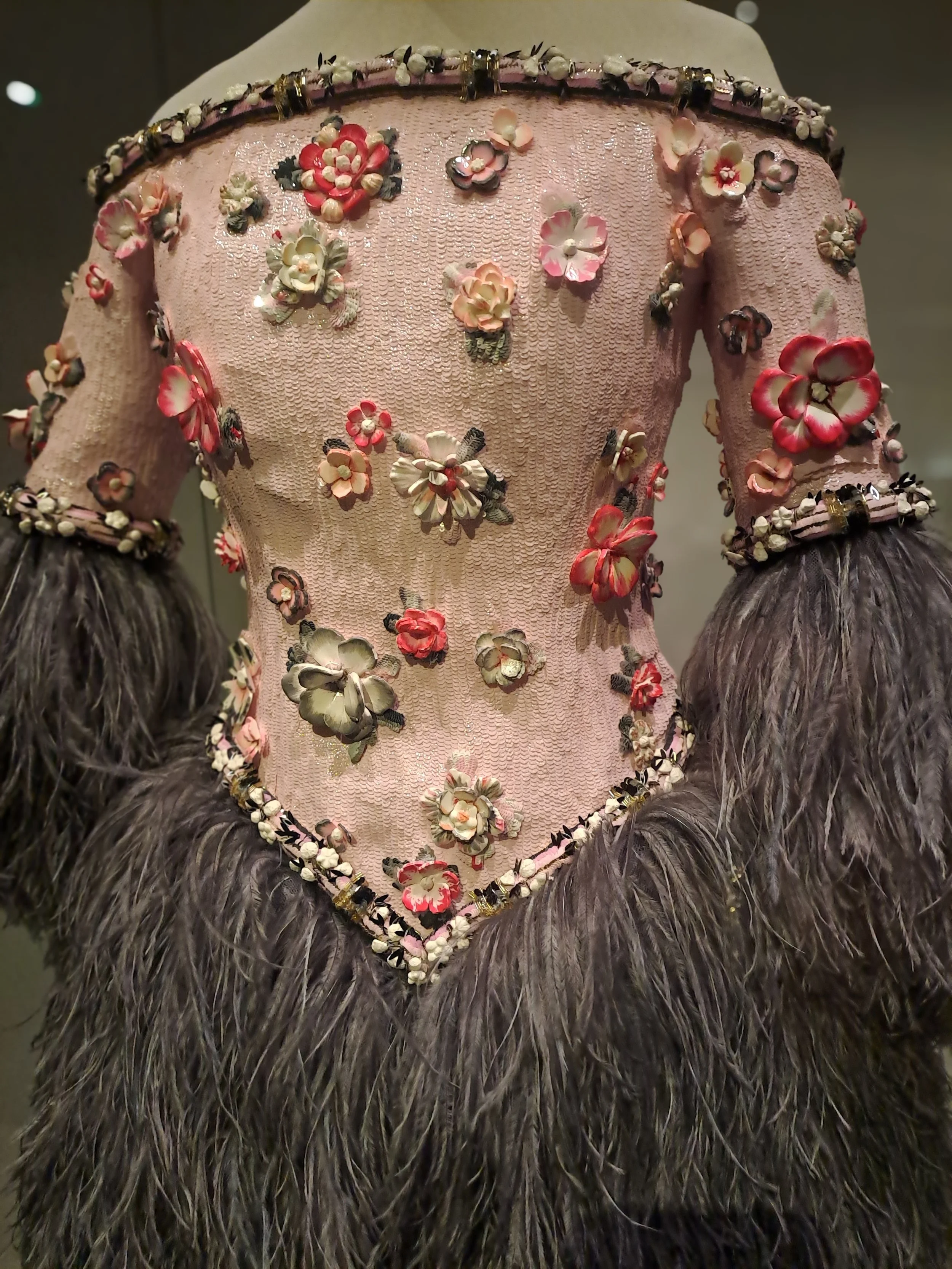
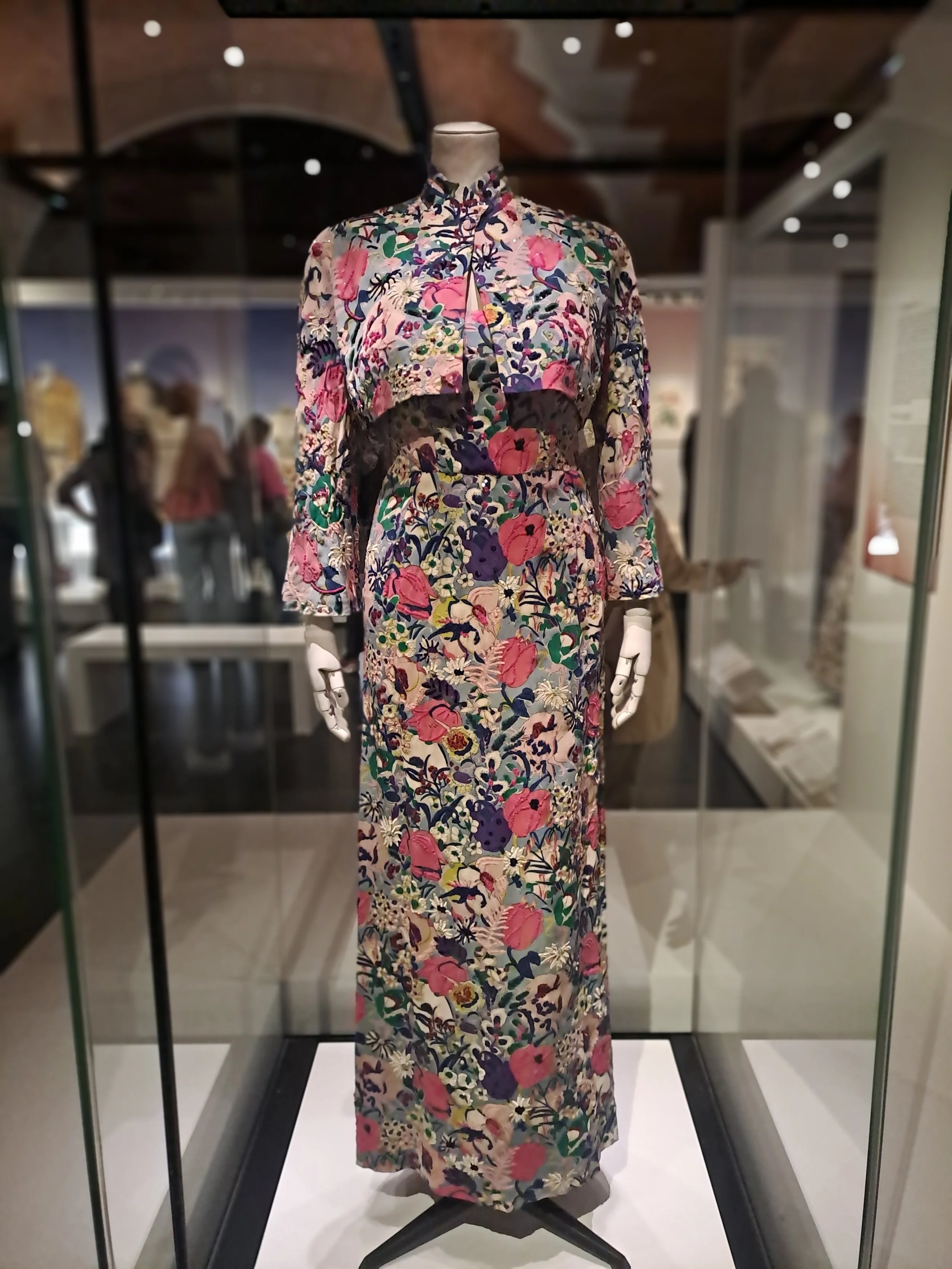
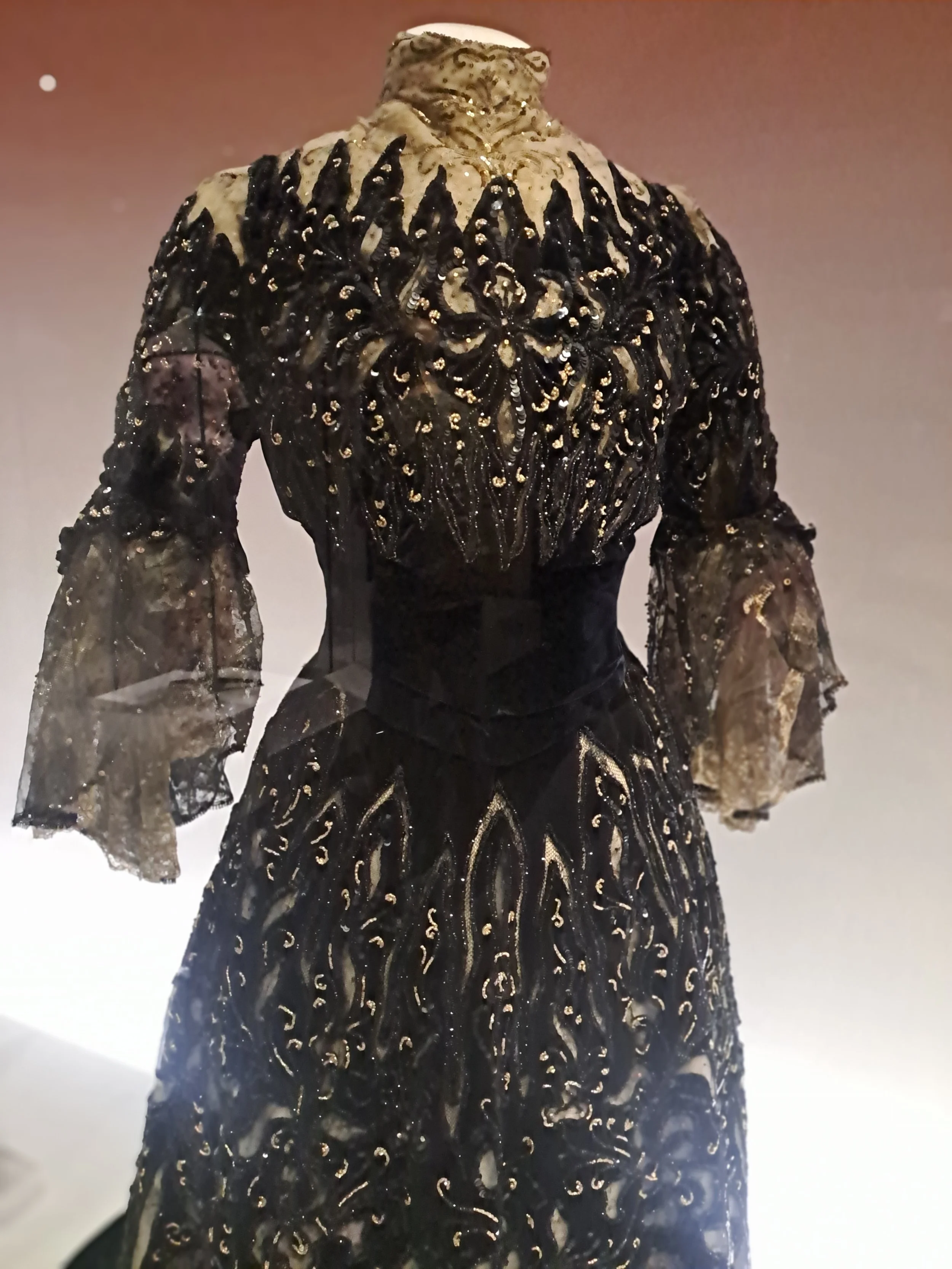
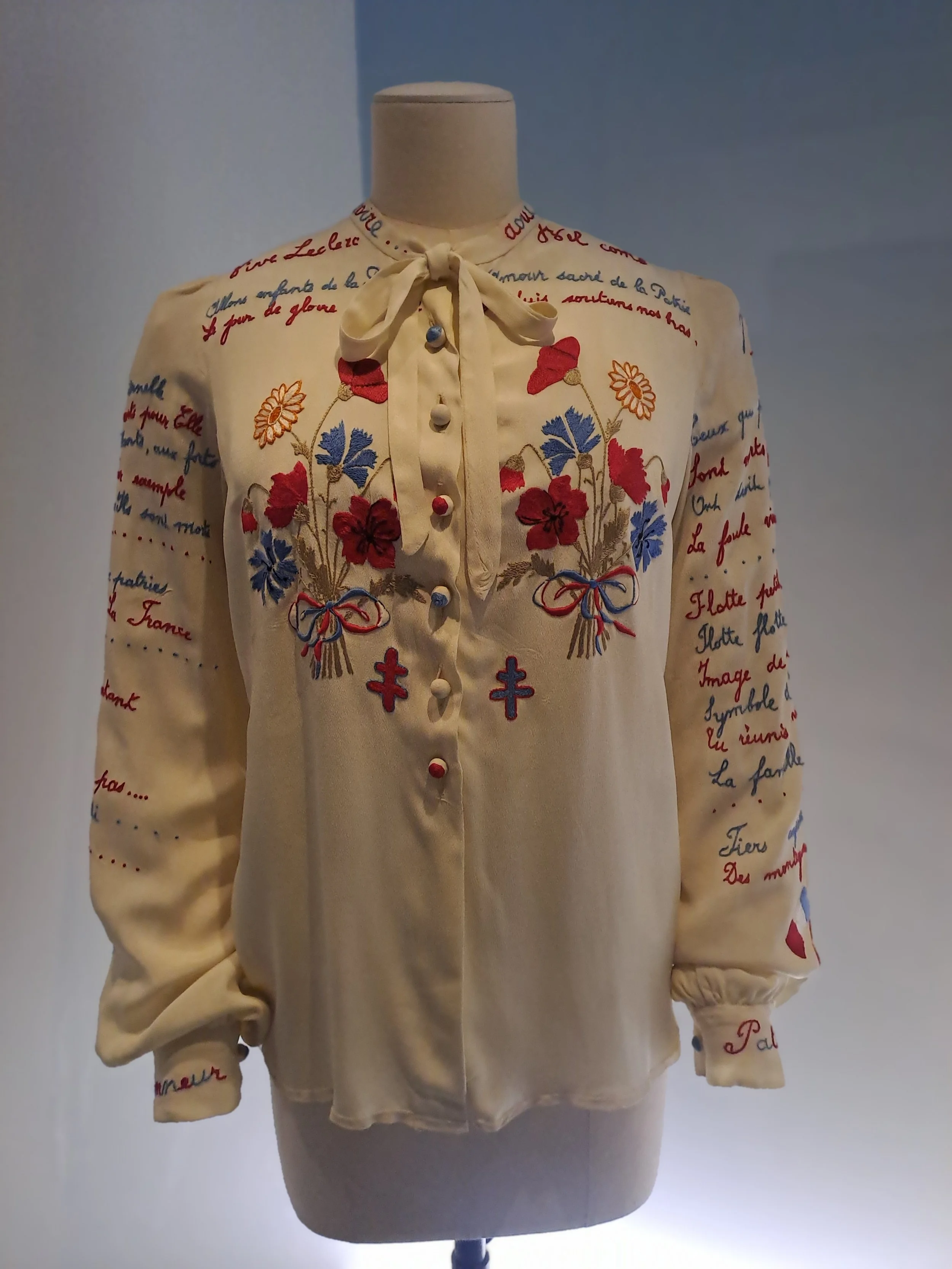
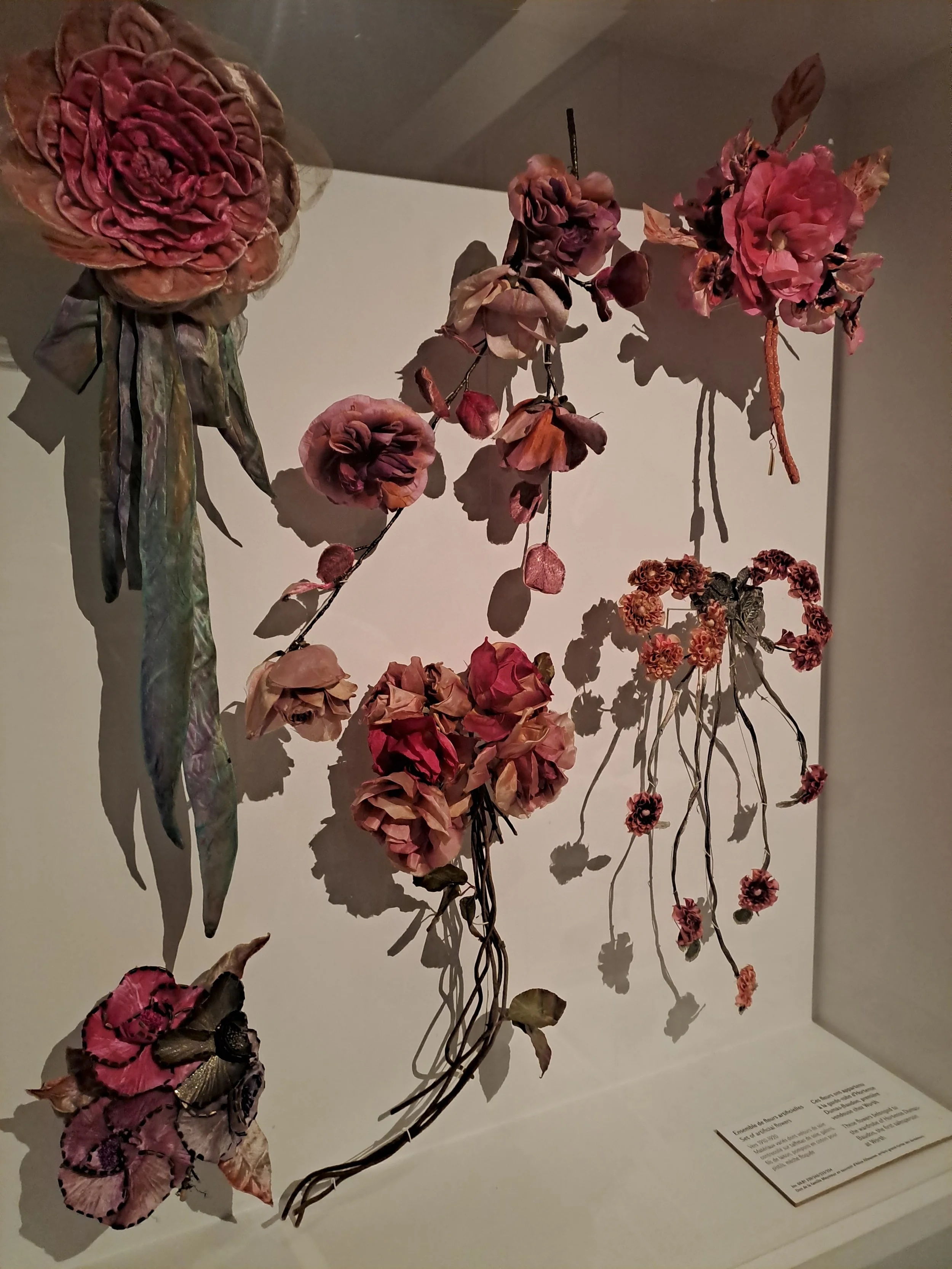
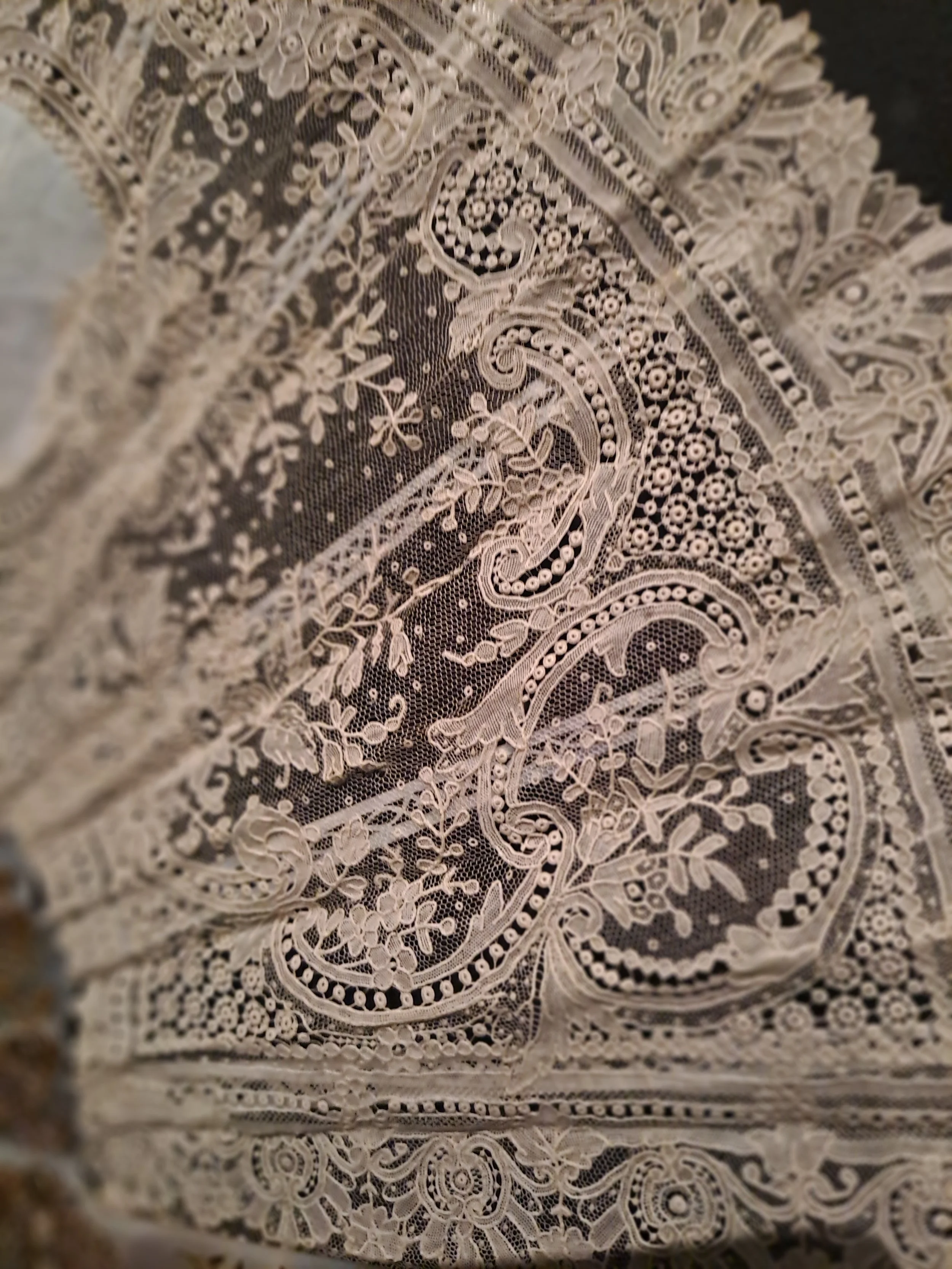
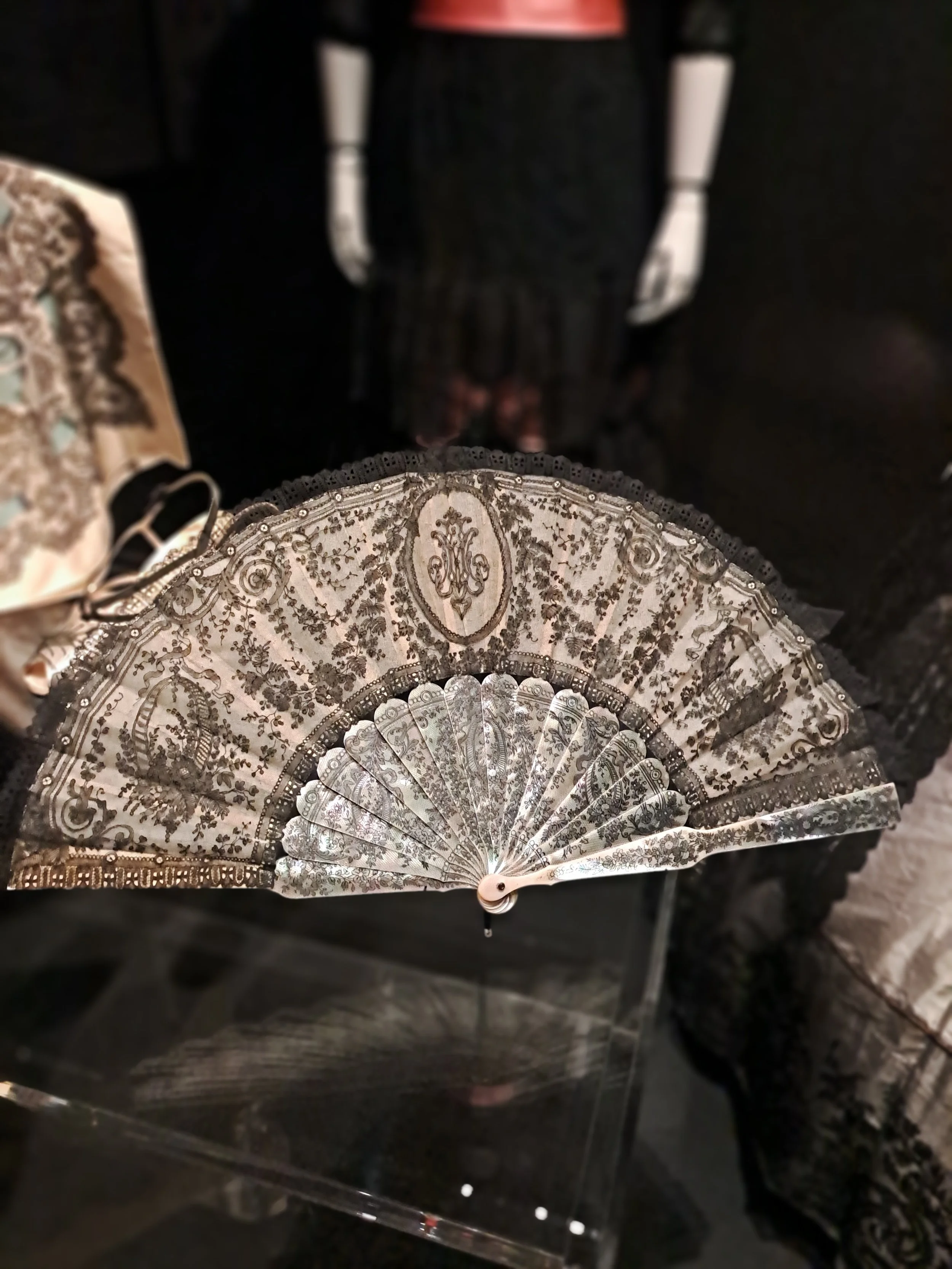
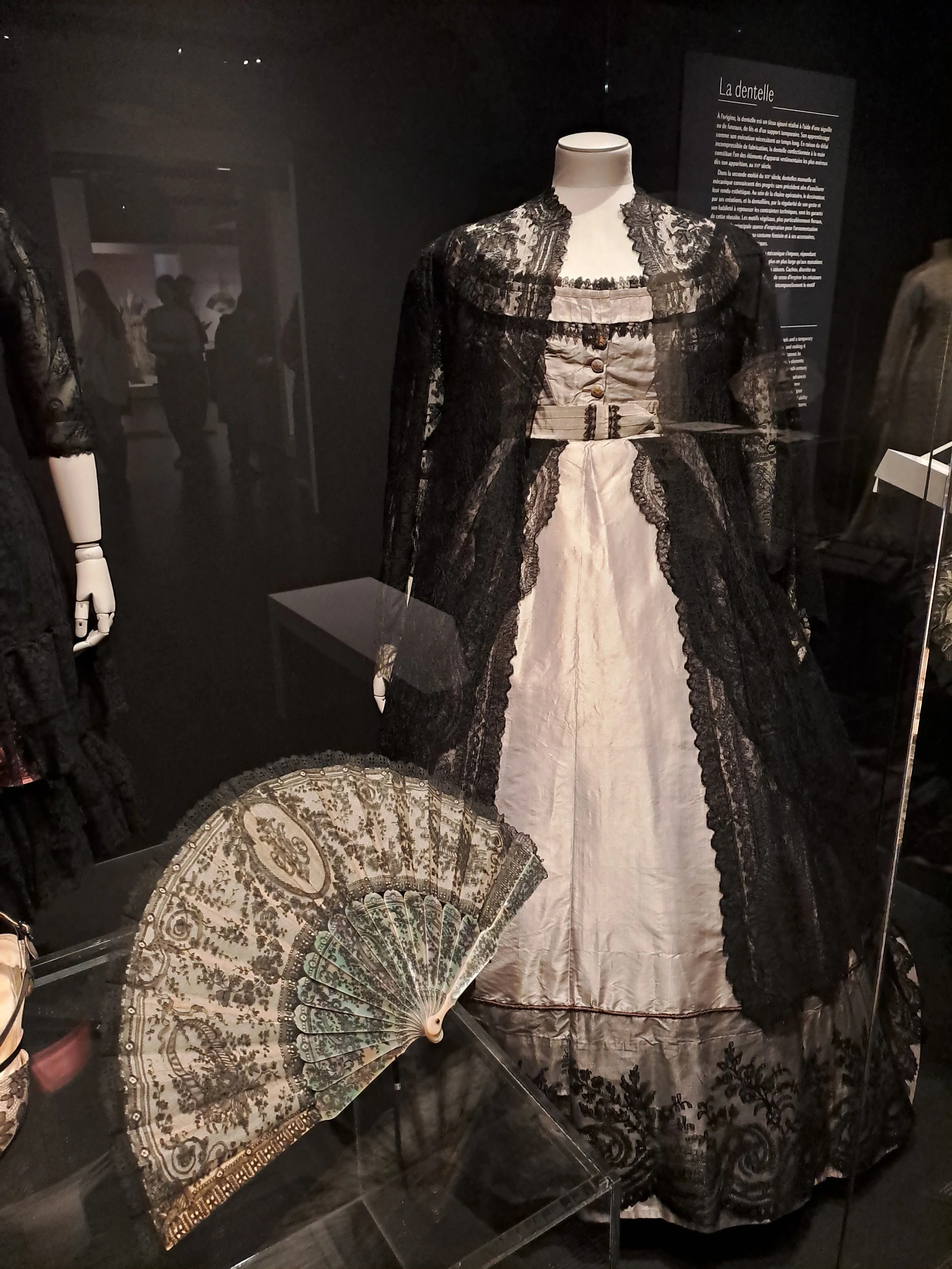
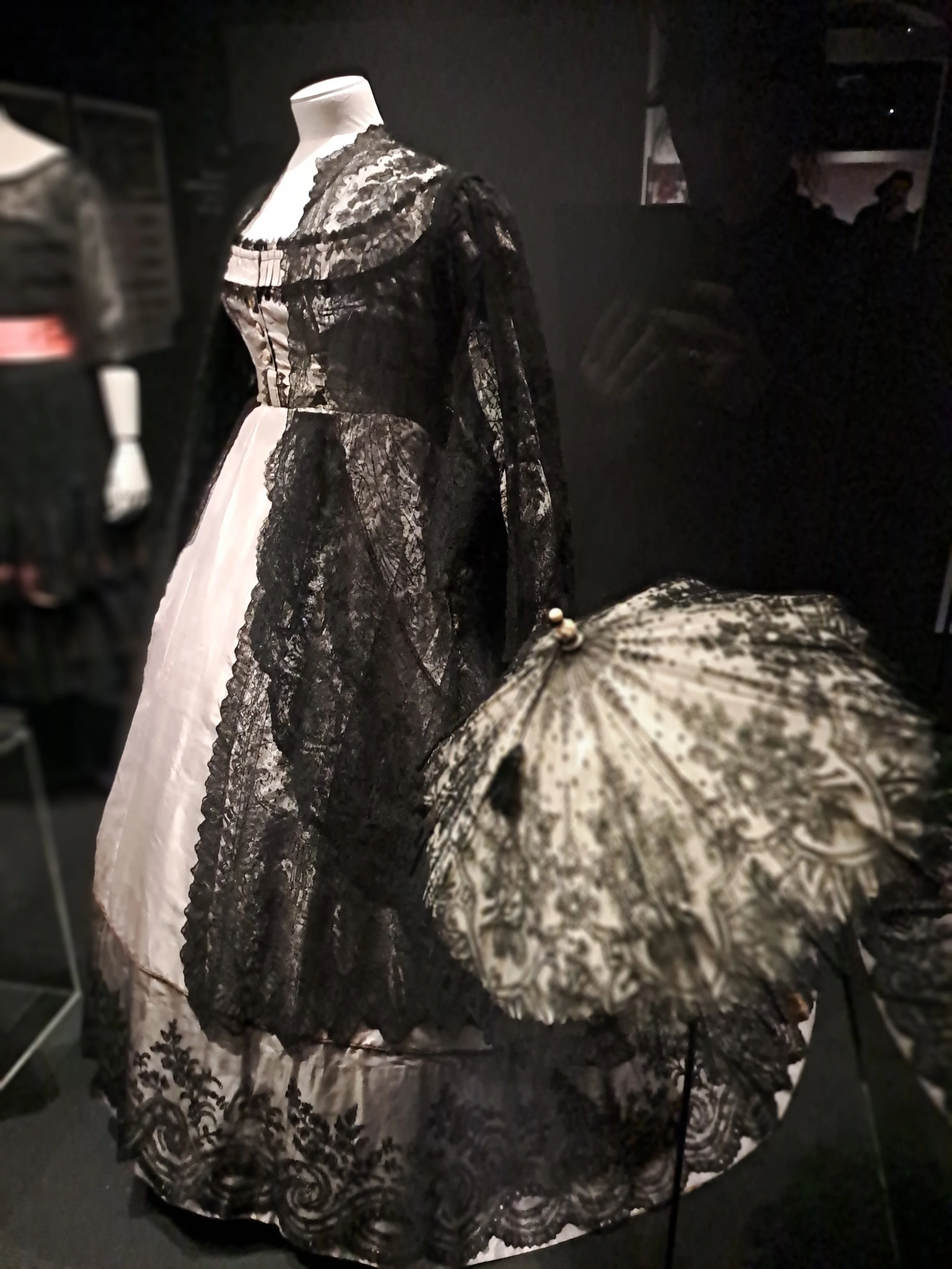
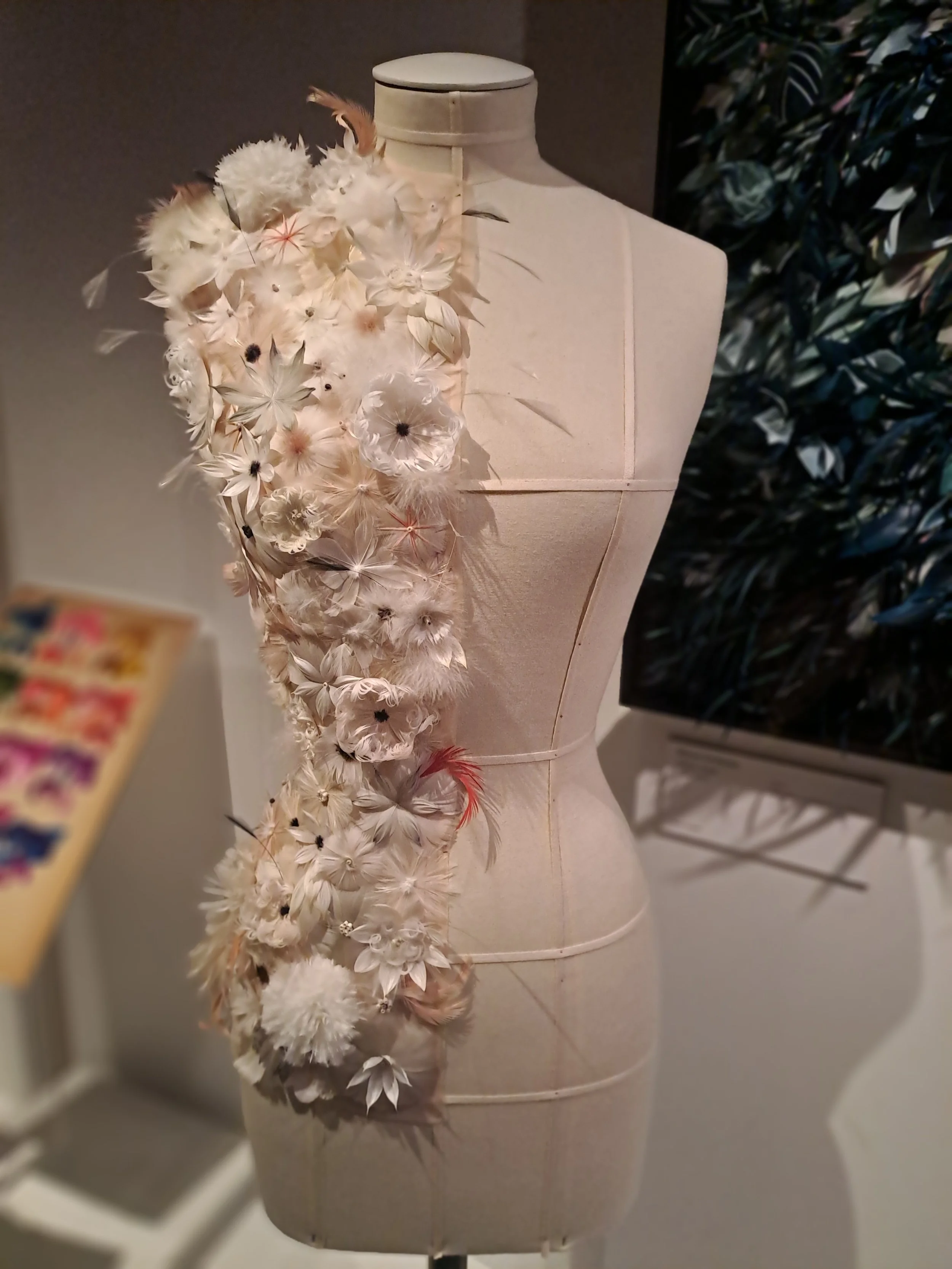
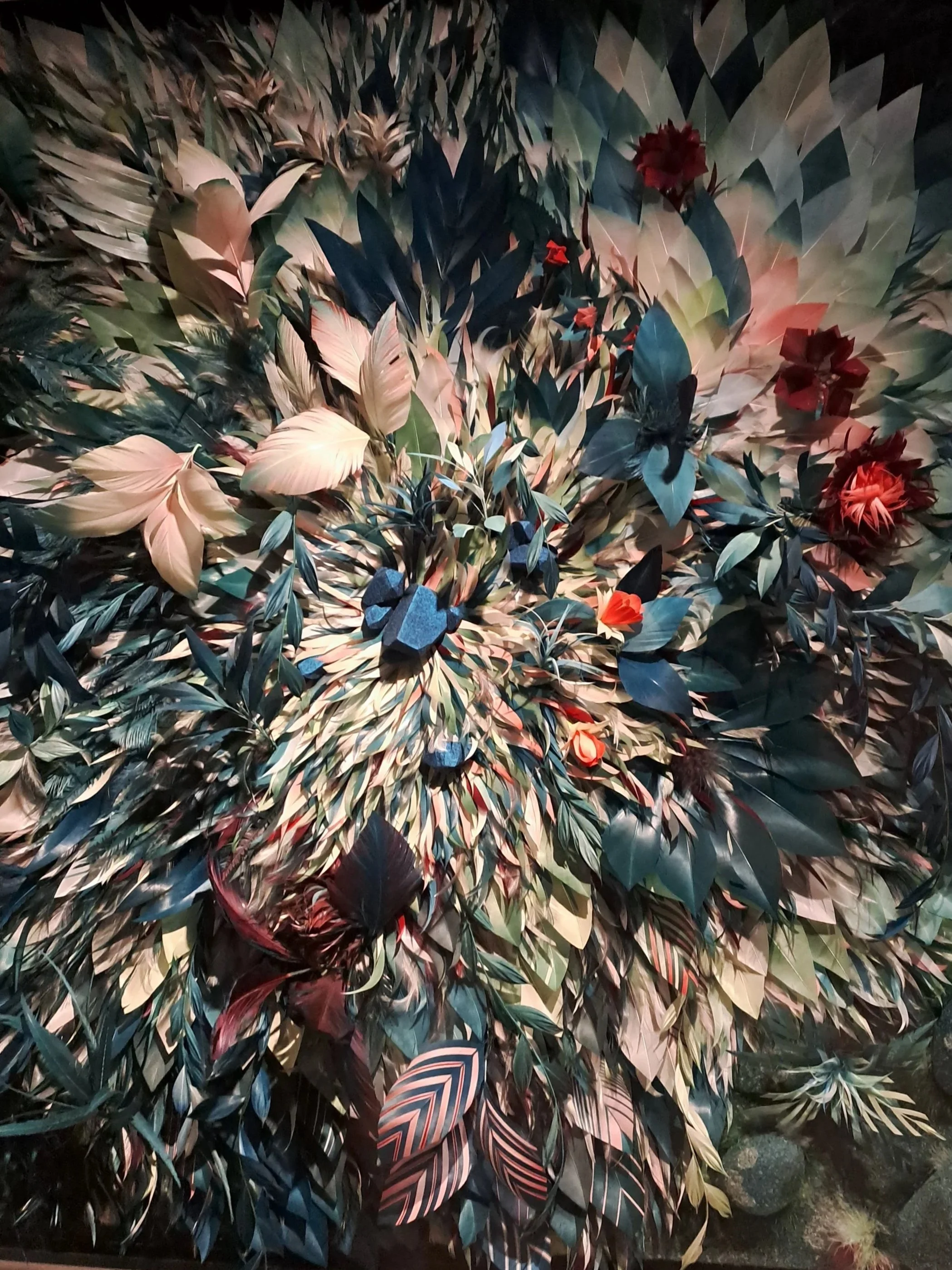
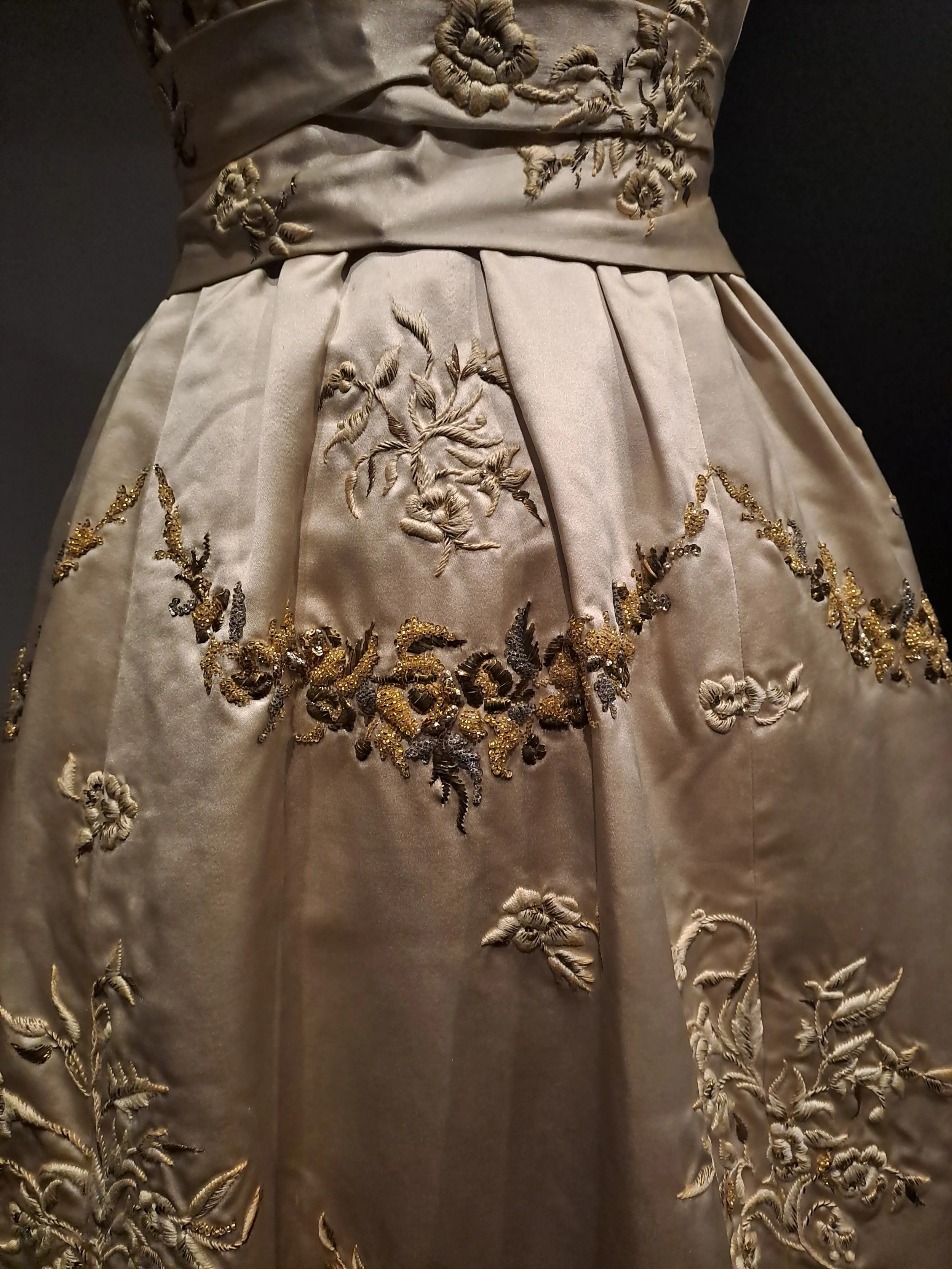
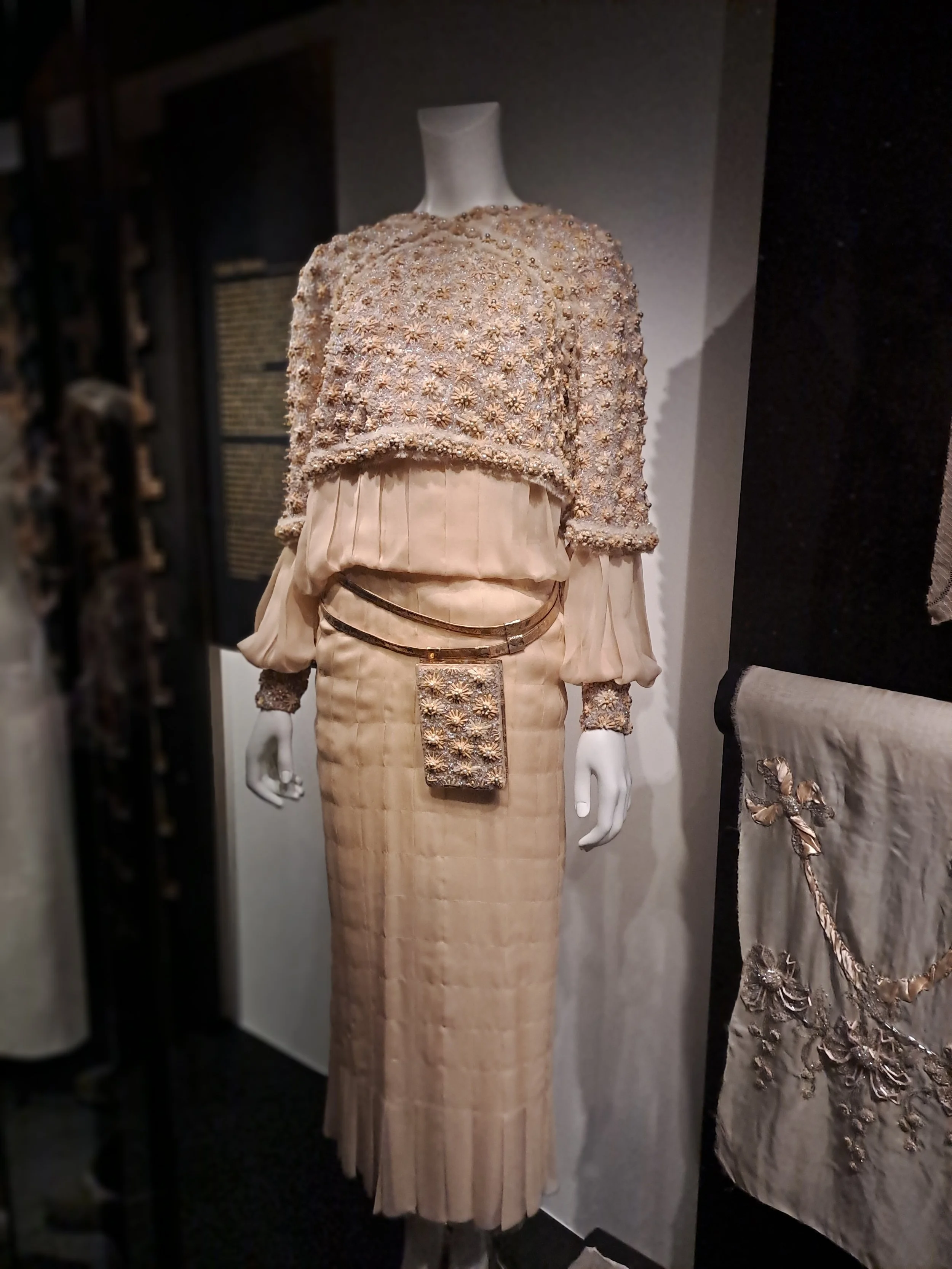
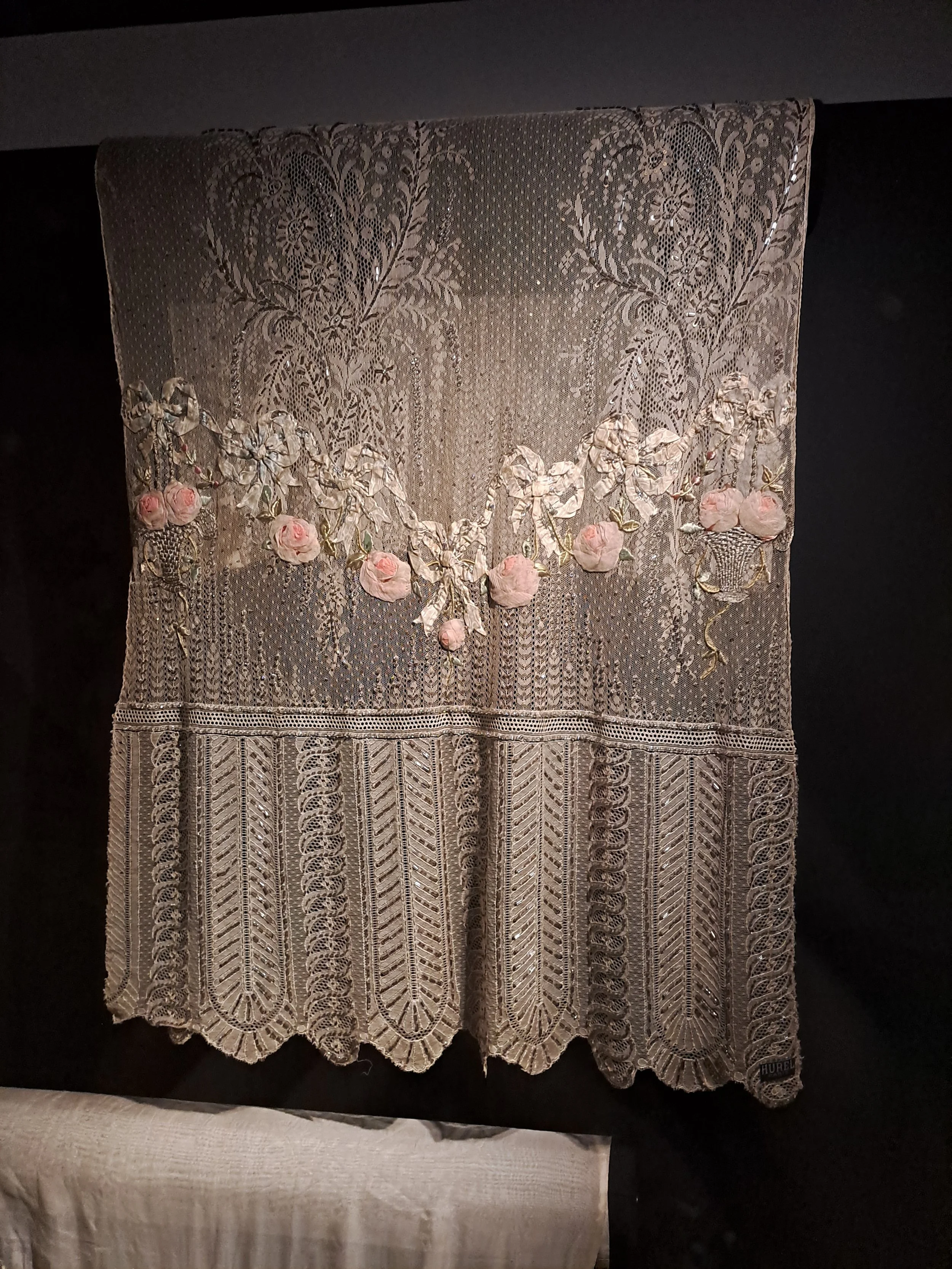
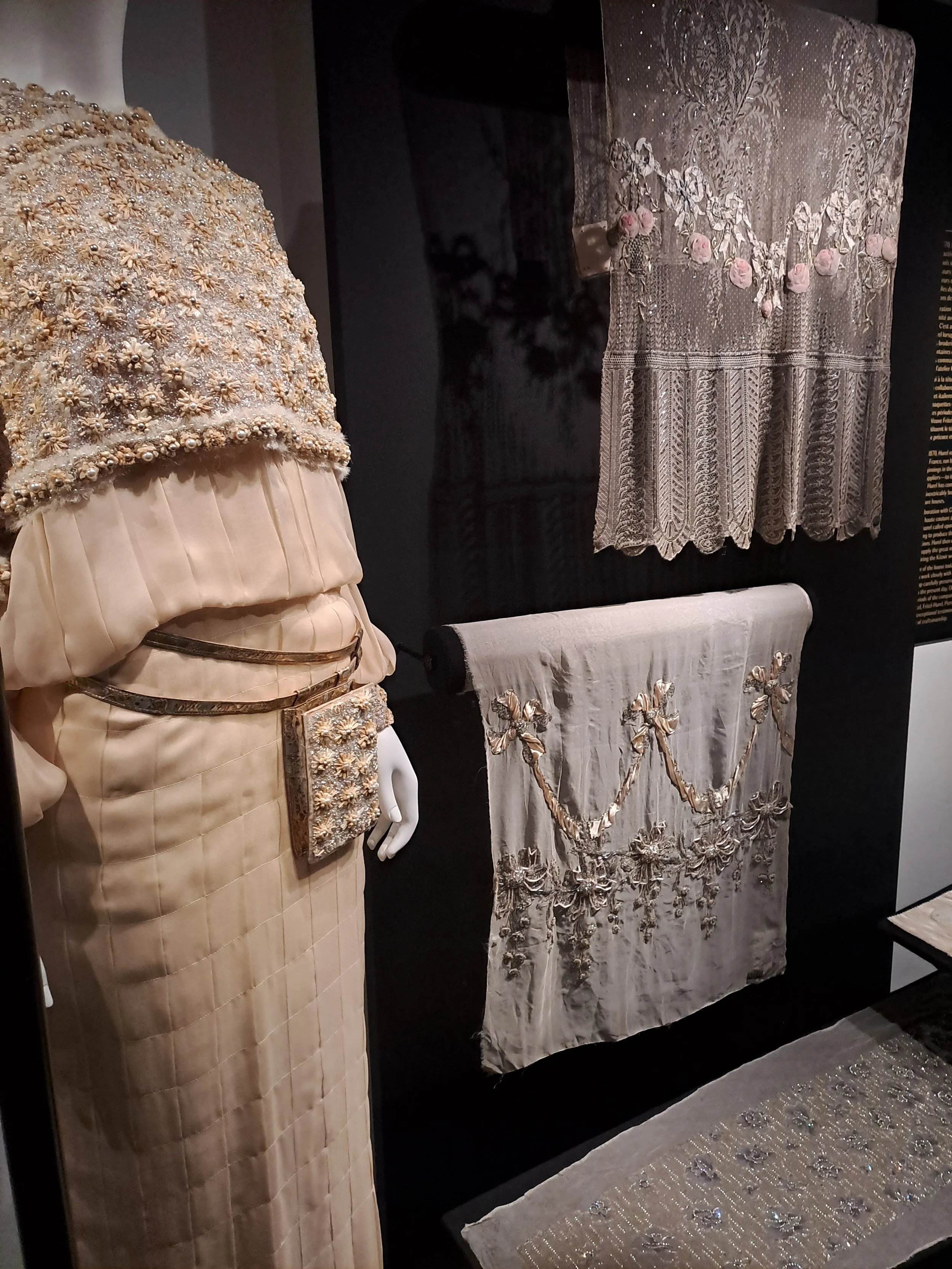
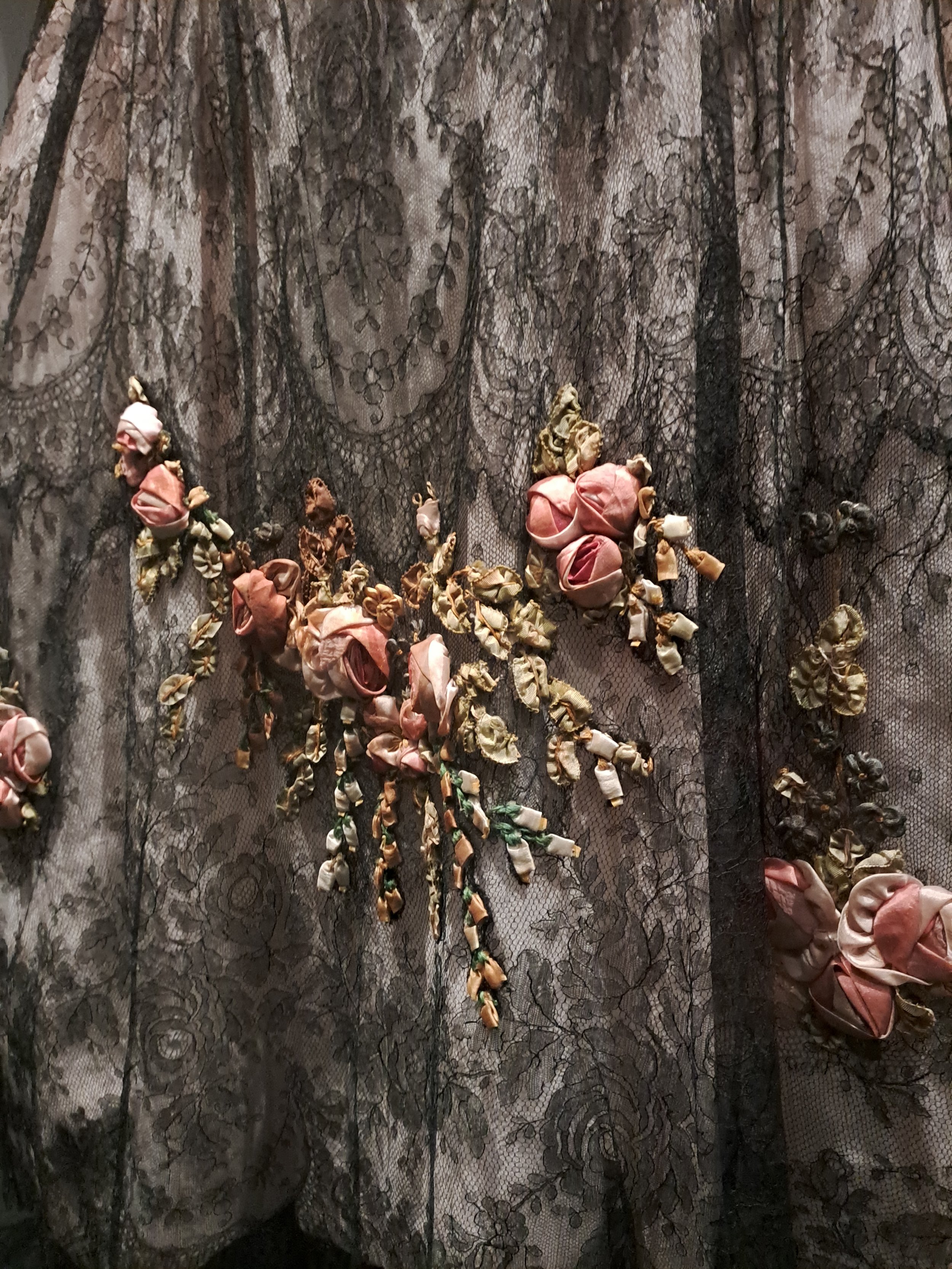
While the gowns from the 18th, 19th and 20th centuries are undeniably exquisite, the exhibition consistently draws our attention back to the rich ecosystem of craftspeople that made them possible. The opulence of silk brocades woven by skilled hands, the subtle effects of lurex threads interlaced with traditional fibres, and the precision of ikat patterns all demonstrate the technical knowledge embedded within weaving traditions. Embroidery is presented not simply as decoration, but as a highly controlled practice beginning with elaborate floral designs and continuing with layered compositions of silk threads in artful stitches, glistening sequins and beads, textured flowers and feathers, each embellishment contributing to texture, depth and light. The specialised work of feather-workers, whose techniques involve shaping ostrich, egret and pheasant plumes through processes of sorting, cleaning, shaping, curling and assembling to create volume and movement. The artificial flower-makers reveal another facet of this ecosystem, combining hand-painting, assembly and sculptural techniques to produce silk petals and foliage, often using tools and methods passed down through generations. Their work reflects a meticulous attention to botanical structure, translated into textile form. Lace-making, too, is presented as a highly technical discipline, in which the twisting and interlacing of the finest threads produces delicate, almost ephemeral surfaces. Intricate gossamer blooms whisper like a gentle breeze across fans, parasols and shawls.
Tisser, Broder, Sublimer. Les Savoir-faire de la Mode offers a wonderfully thoughtful perspective on fashion as a collective creative endeavour. By celebrating artisans—embroiderers, weavers, lace-makers, plumassiers, and floral makers - it shifts attention away from the singular figure of the fashion designer or legendary brand and focuses our attention, admiration and appreciation on the savoir-faire and skilled hands that weave, embellish and add an element of the sublime to Haute Couture fashion in France.
Textile Travels Paris

If you enjoy fashion & textile exhibitions as much as me, then Textile Travels Paris is the guide for you! A digital PDF designed to help you plan your trip to Paris in advance and then easily navigate your way to textile treasures when you arrive in the City of Light. The guide is 21 pages long and organised into sections; Museums & Galleries, Studios & Boutiques, Fabric Stores & Neighbourhoods, Bookstores & Libraries, Interior Fabrics & Passementerie, Flea Markets, Classes, Events & Guided Tours. It includes a custom-made Google Map with all the wonderful listings pinned and colour-coded, making it easier to visualise the city and the distances between the places you want to visit. With 50 listings to choose from, each one includes a description of the delightful textile treasures, the website, street address and an individual link to Google Maps. Woven through the guide, there are links to Haptic and Hue podcasts that unravel fascinating stories of textiles, fashion and craftspeople that have made Paris the capital of luxury fashion and textiles for centuries.