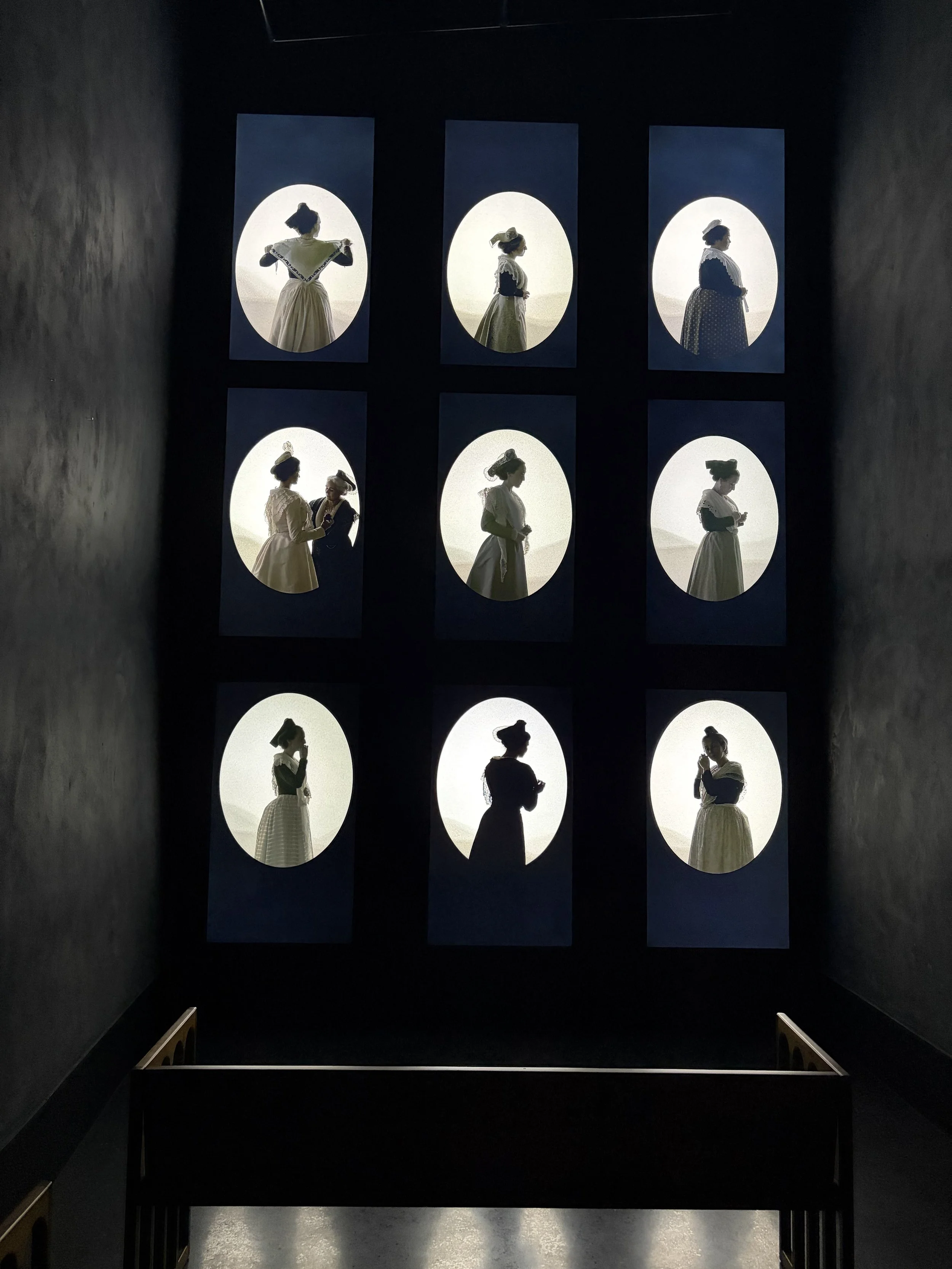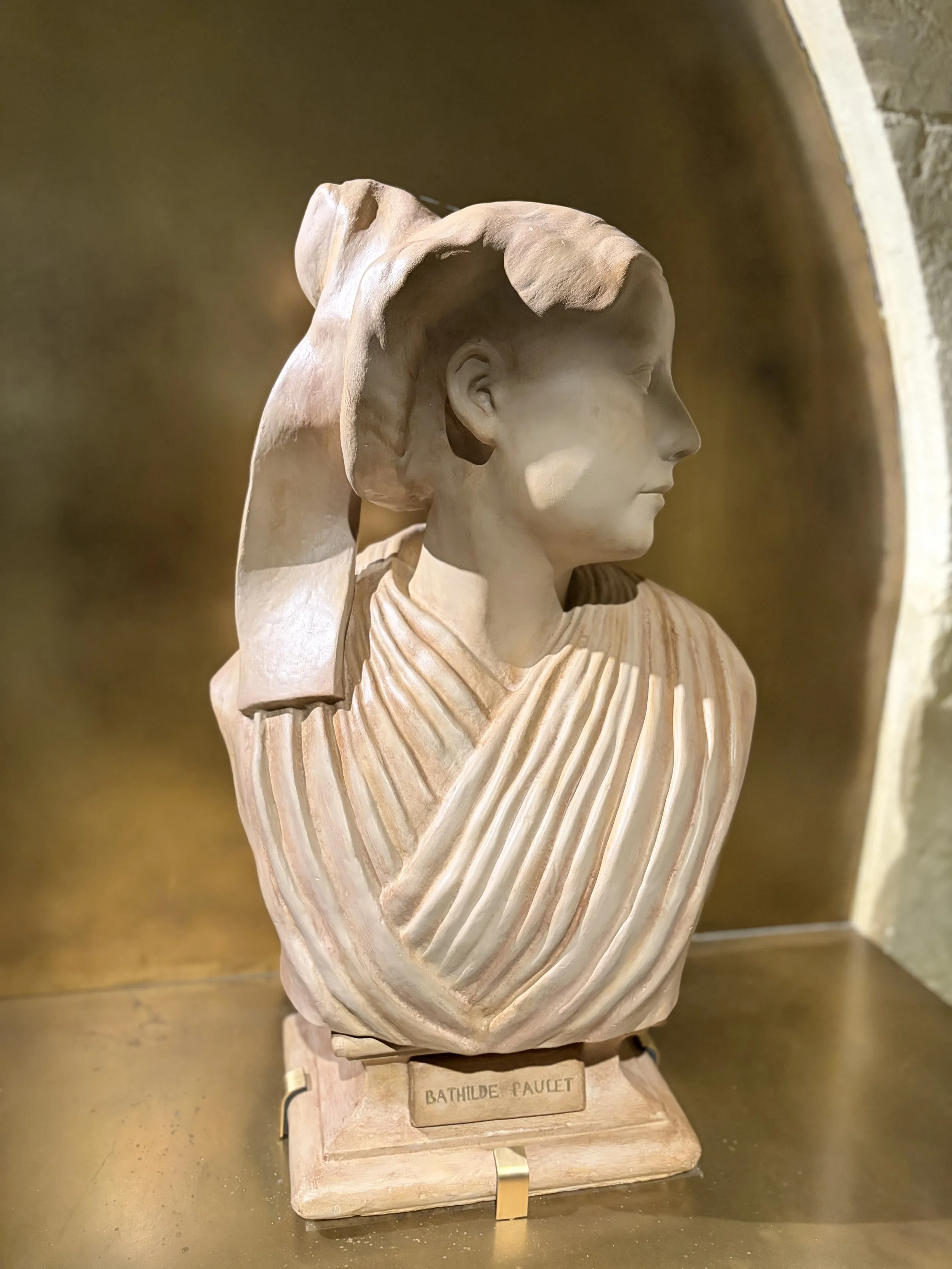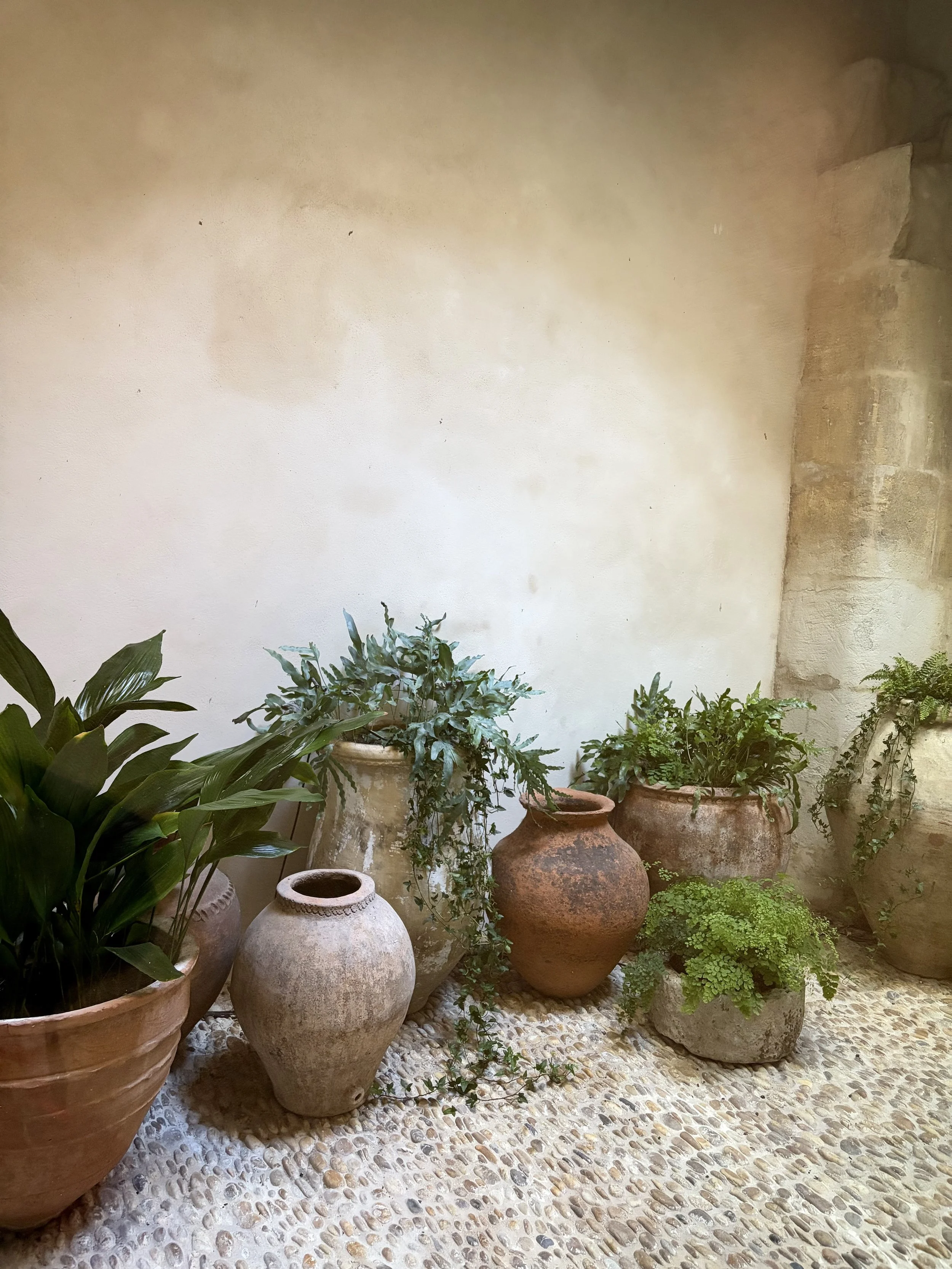
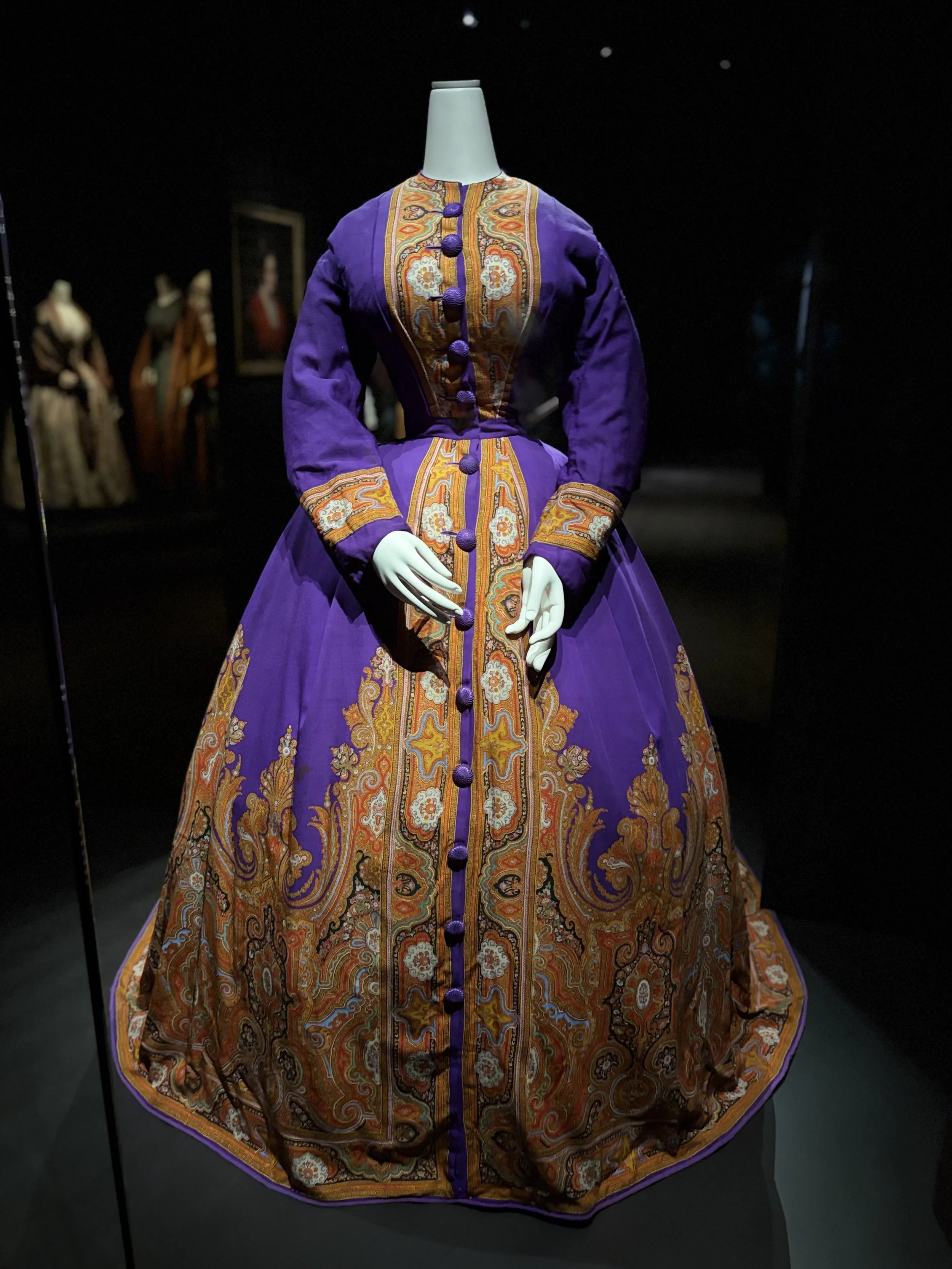
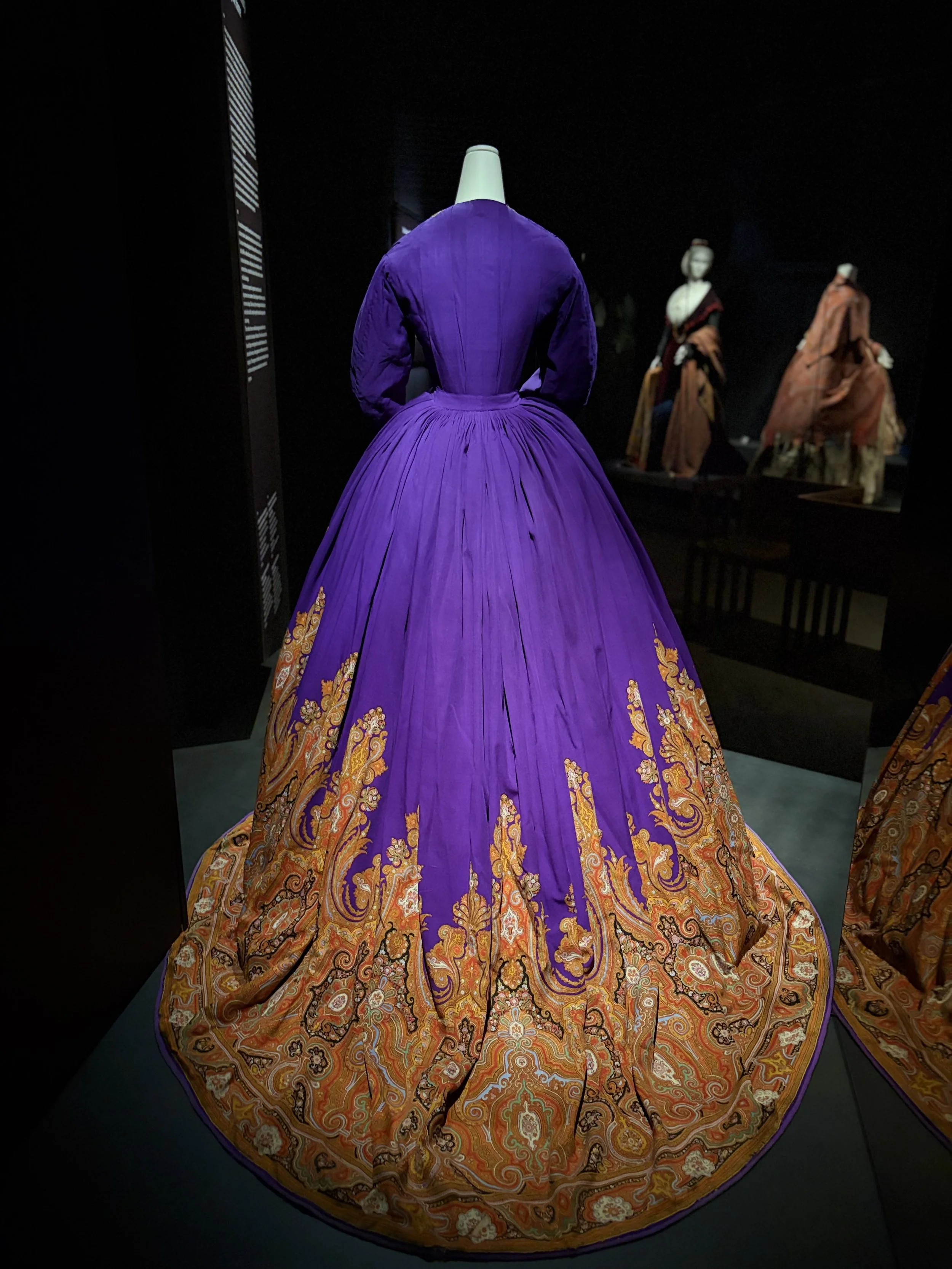
Le Voyage du Cachemire is a fascinating exhibition celebrating the extraordinary journey of the paisley motif and Pashmina shawls from India to Europe, tracing their influence on nineteenth-century European fashion and adoption into Provençal dress. The Musée de la Mode et du Costume Fragonard is housed in the magnificent Hôtel Bouchaud de Bussy in Arles and celebrates the rich textile and sartorial heritage of Arles and Provence. This beautiful exhibition is an inspiring opportunity to discover how imported textiles, cultural exchange and regional traditions have shaped the history of fashion in the South of France.
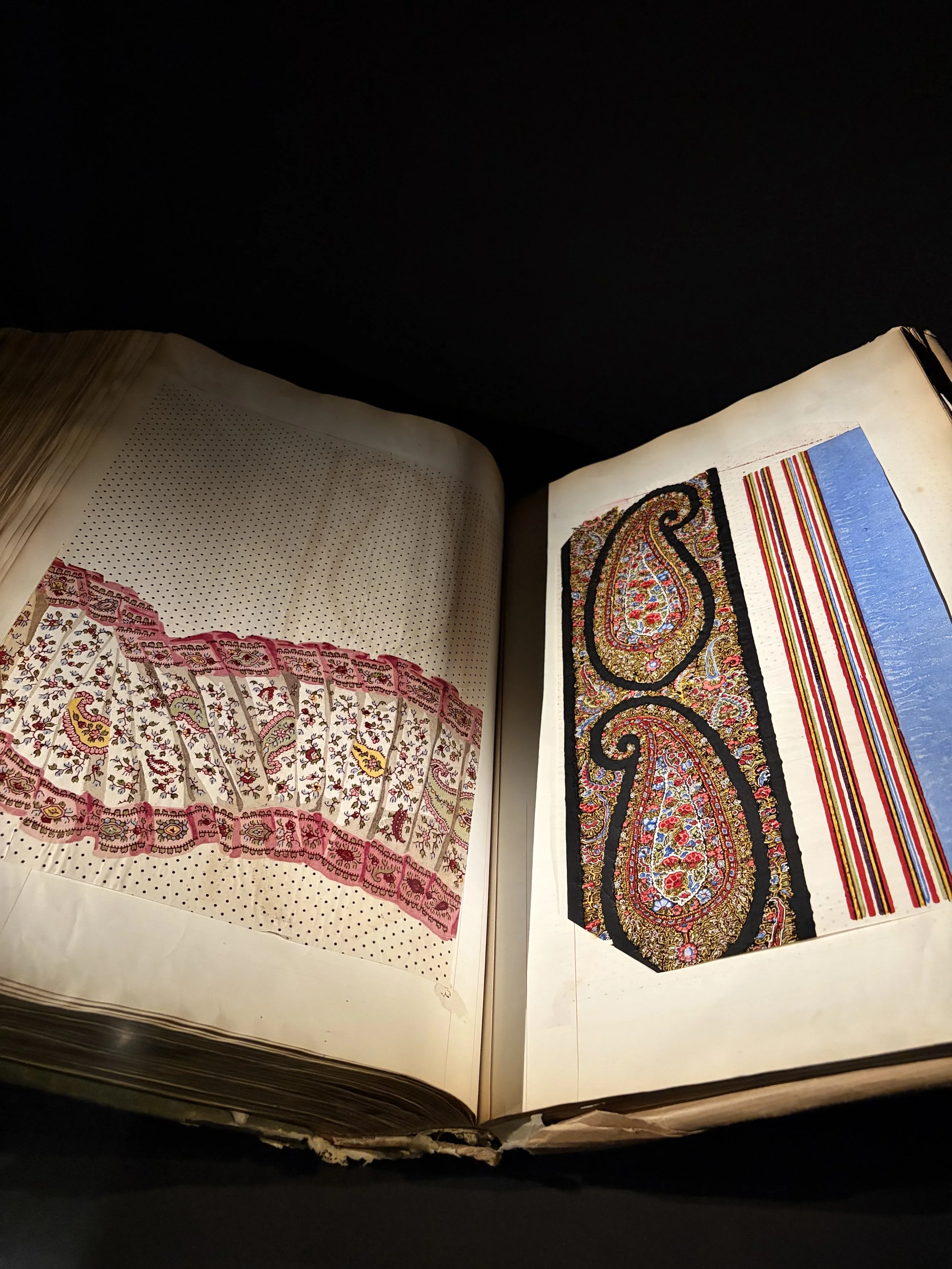
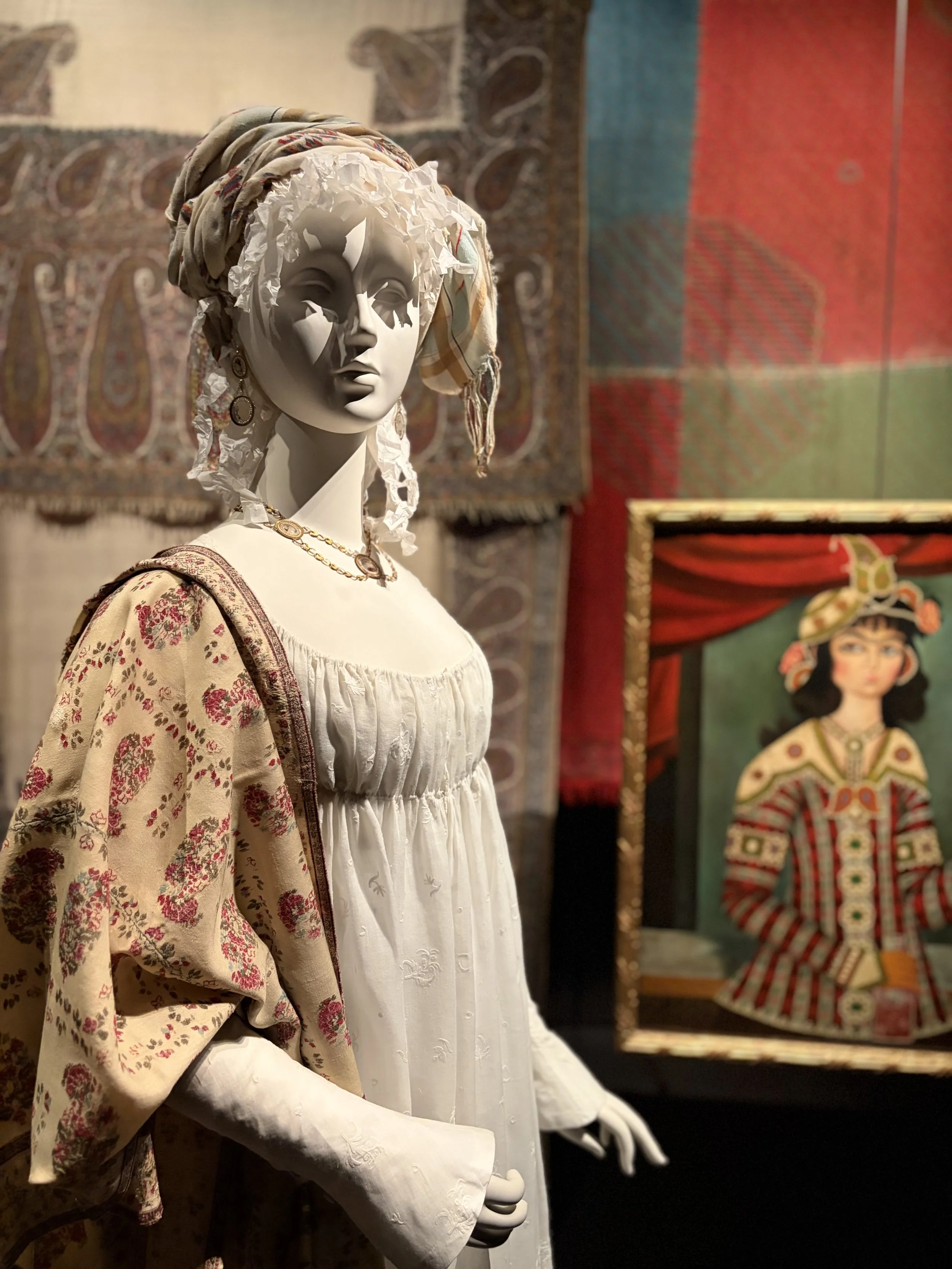
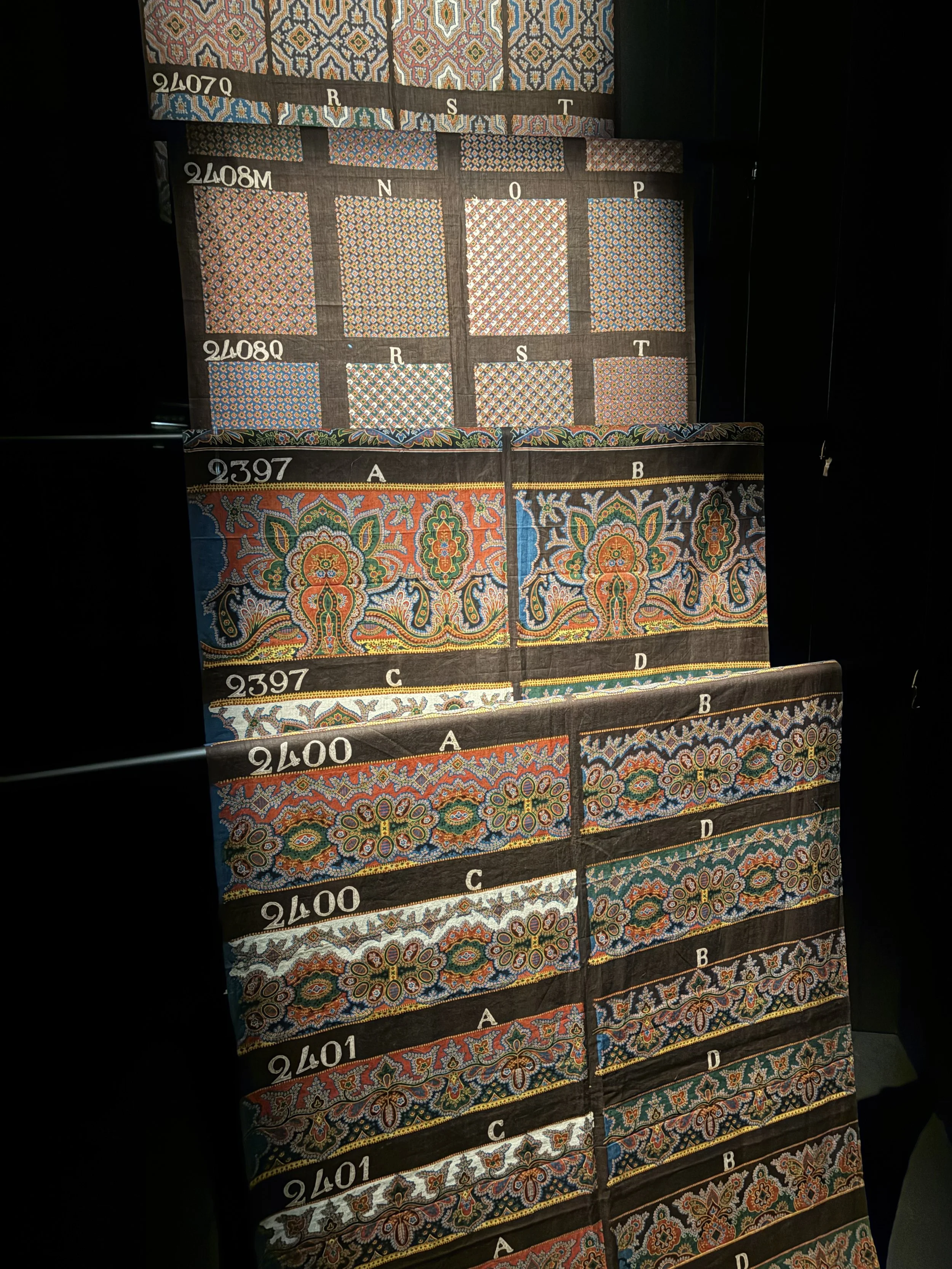
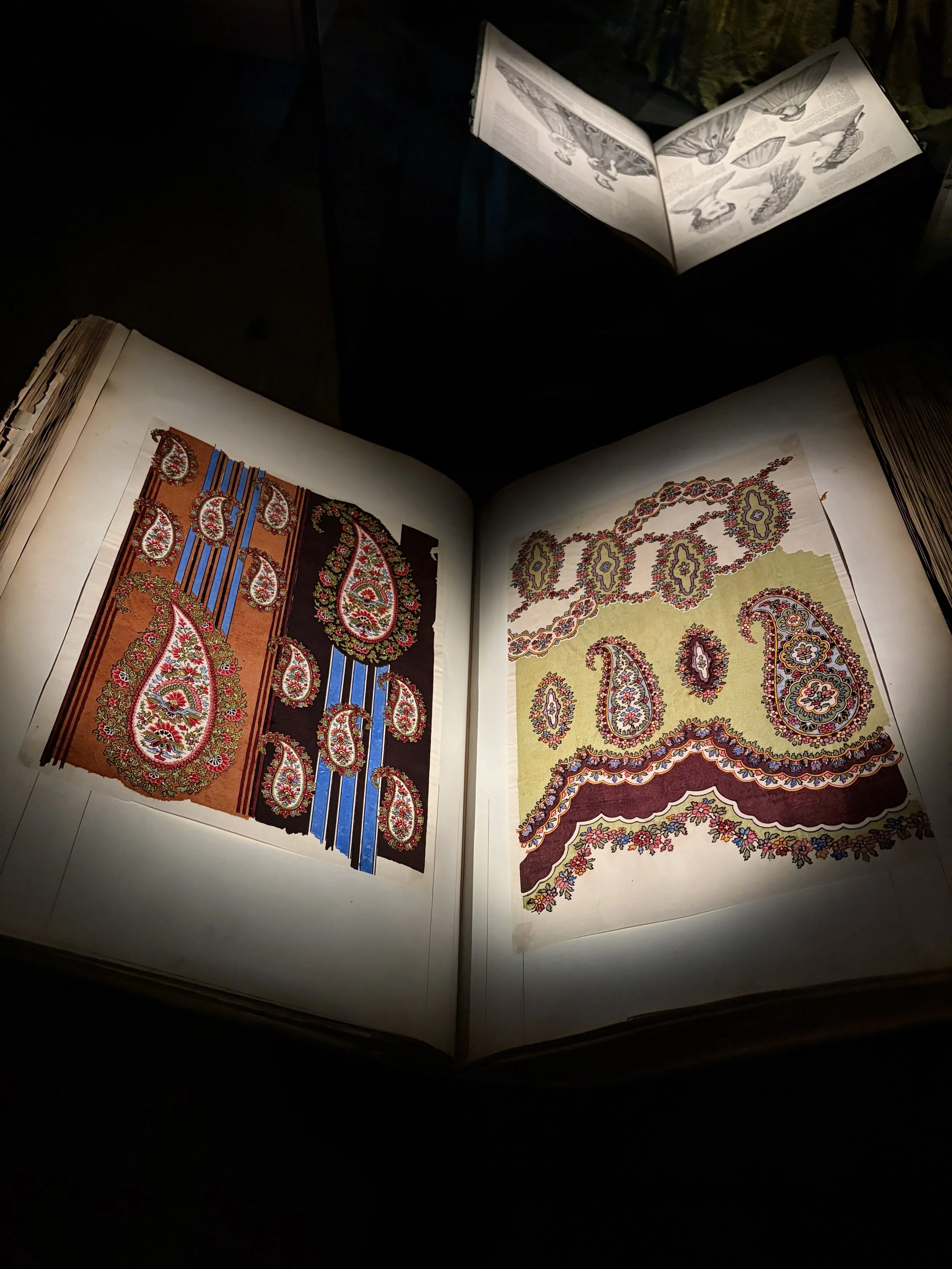
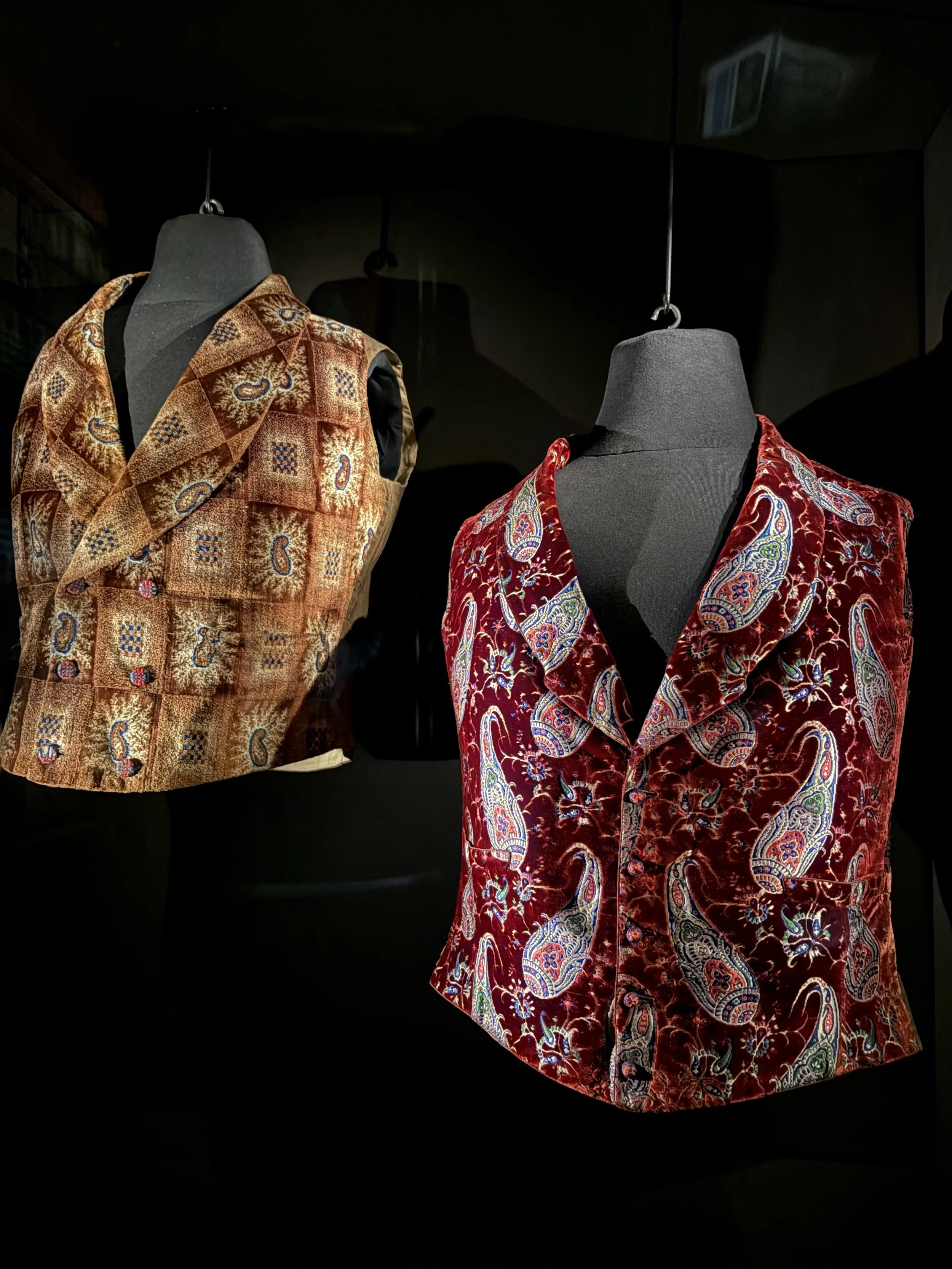
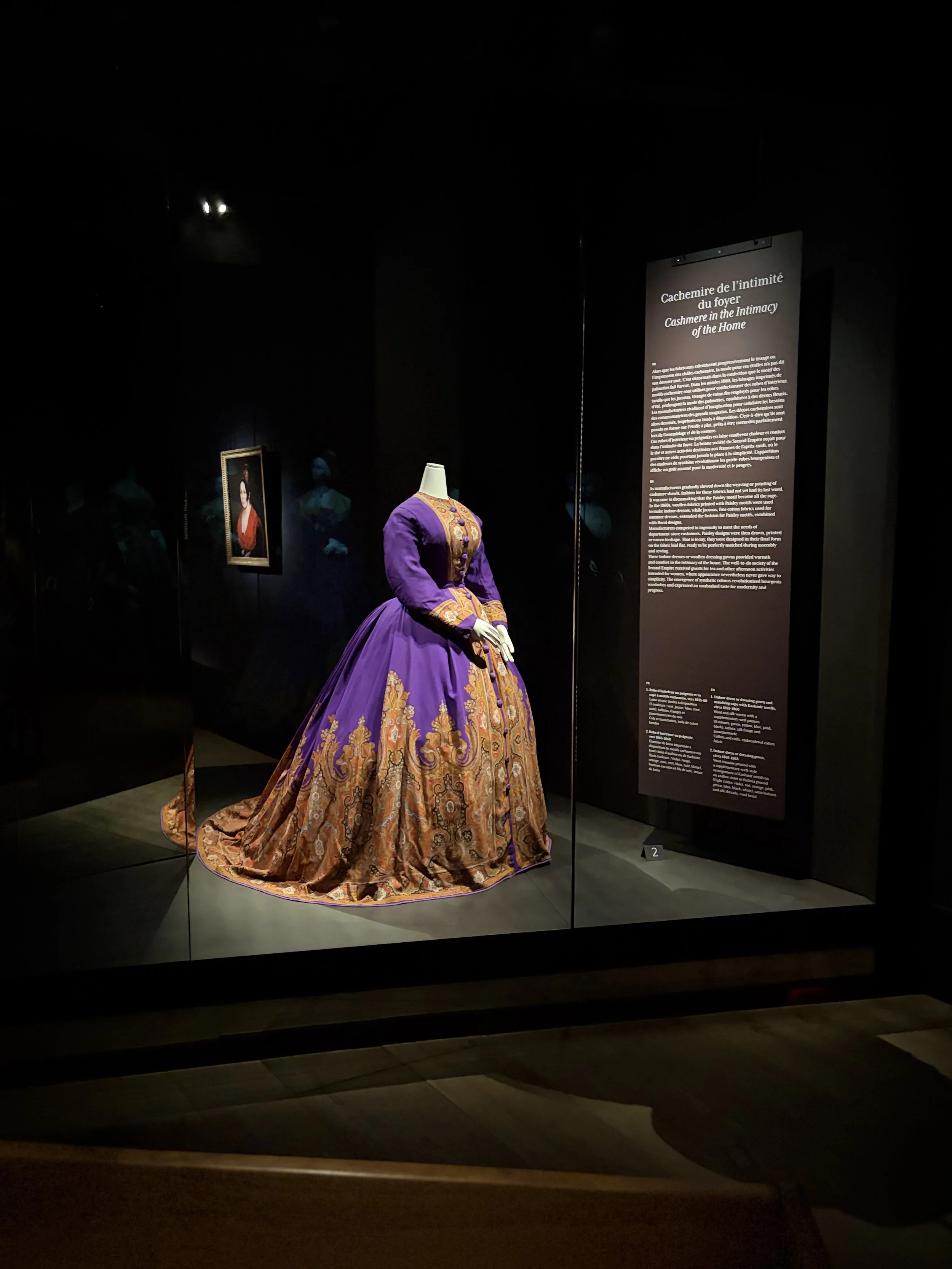
At the heart of the exhibition is the Boteh motif – the distinctive teardrop-shaped design commonly associated with paisley and pashmina shawls from Kashmir in India. Originally connected with the rich textile traditions of the East, the motif travelled across continents, moving from the exclusive wardrobes of sultans and the privileged classes into mainstream European fashion.
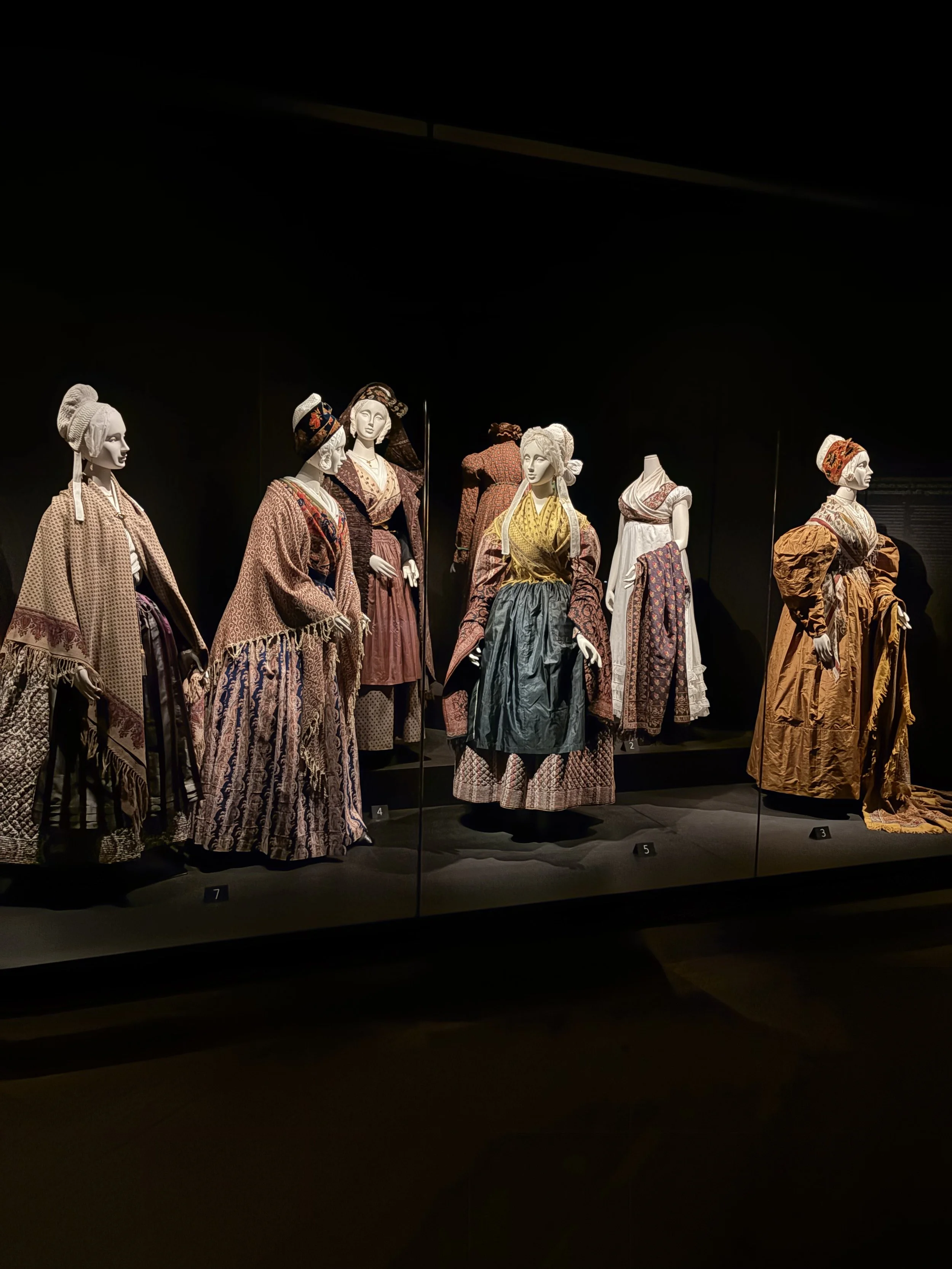
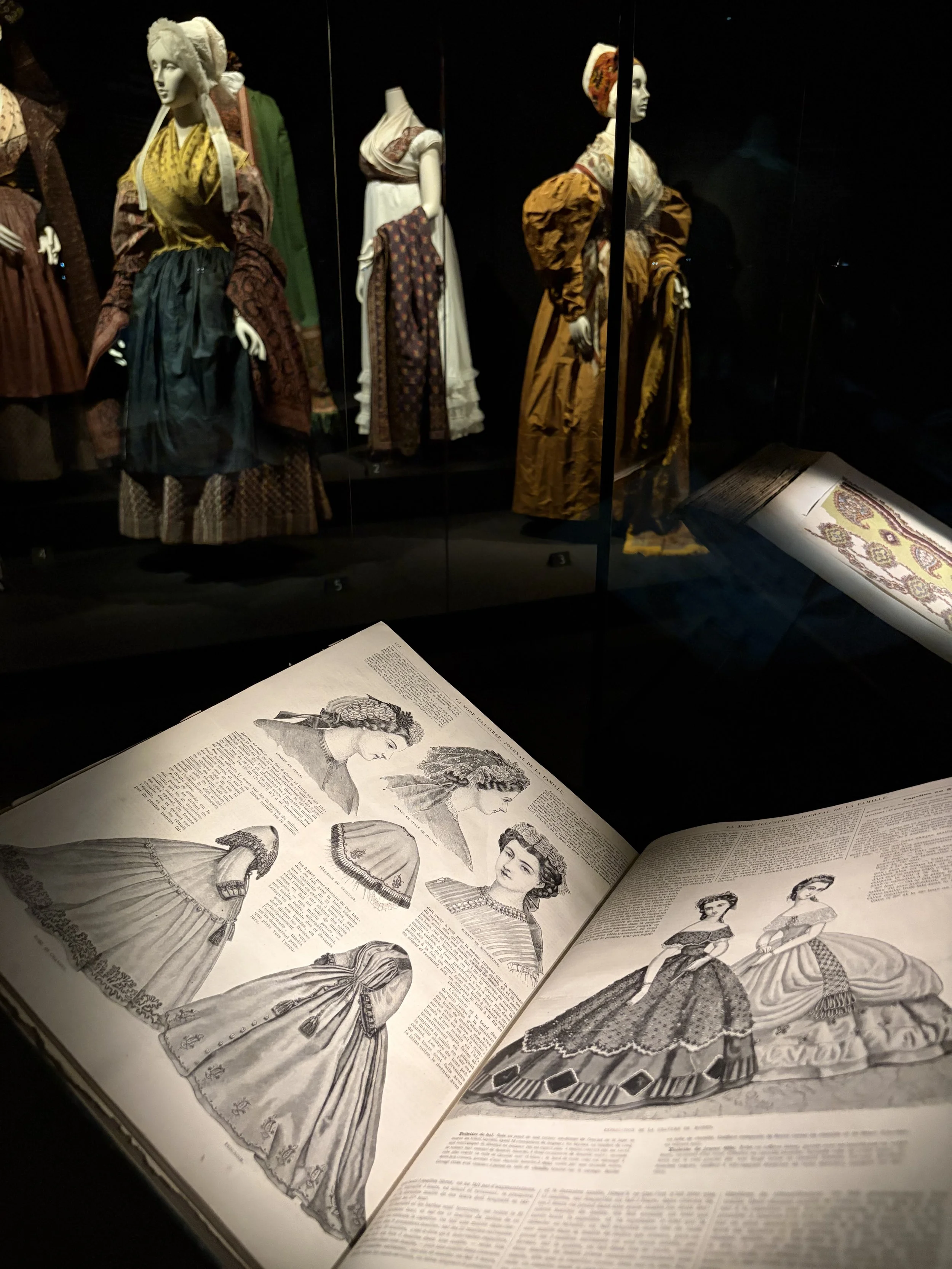
The exhibition explores how this emblem of elegance was embraced in France, particularly in Provence, where Kashmir -inspired textiles became treasured possessions and an important part of regional dress and domestic life. Through the Provençal costume collections of the museum, the exhibition reveals the enduring appeal of the paisley motif and its remarkable ability to adapt across cultures, fashions and generations.
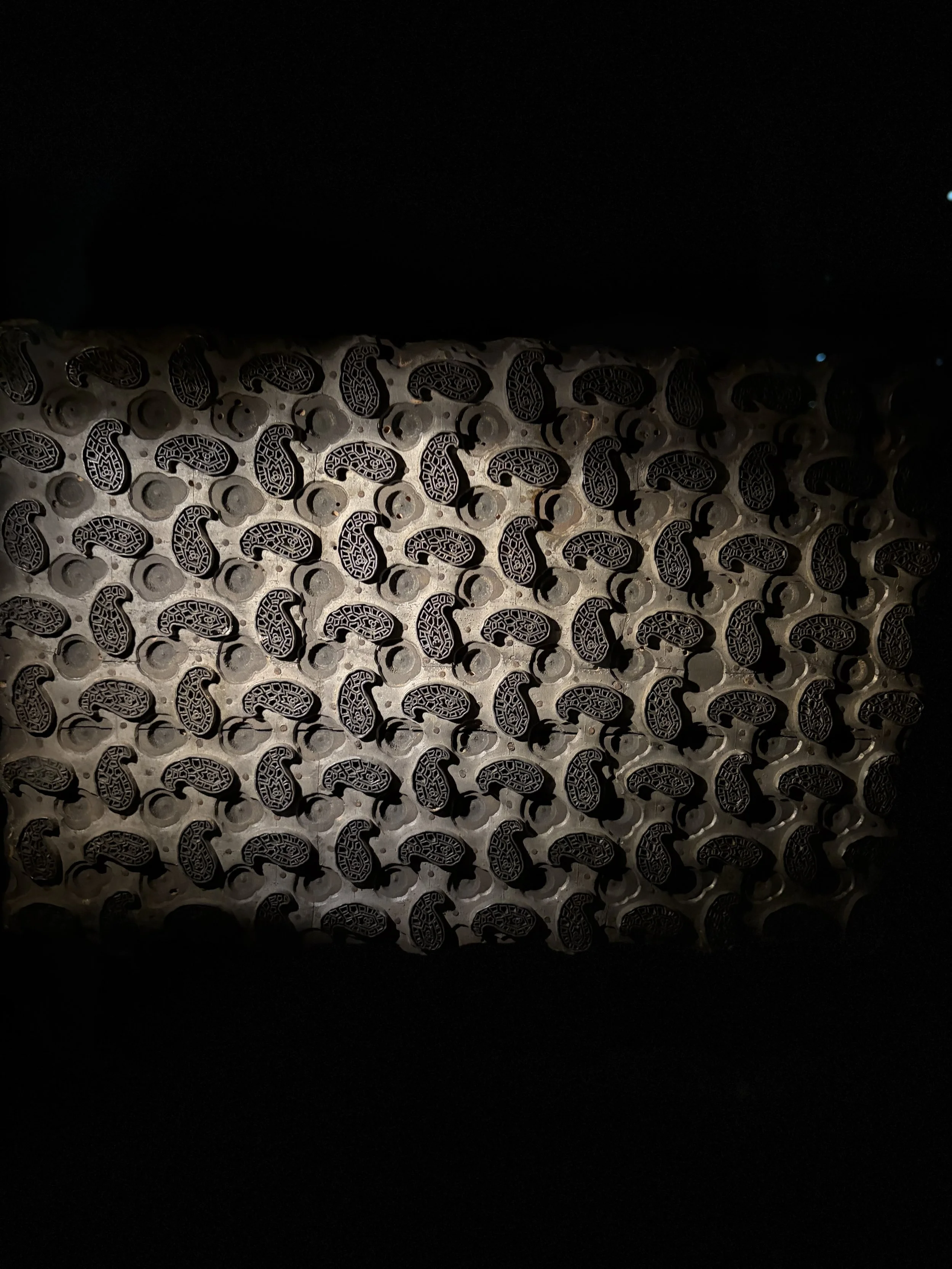
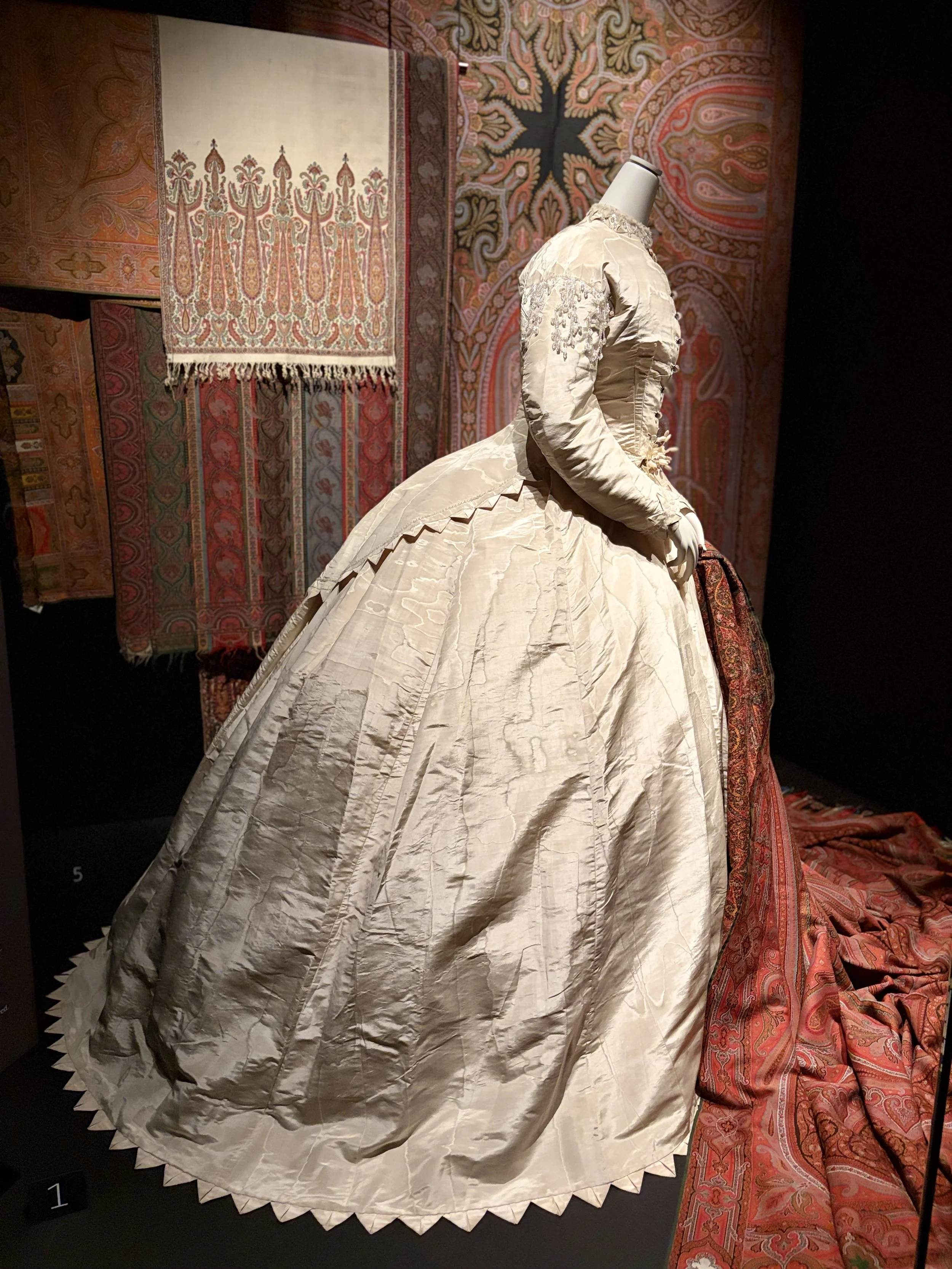
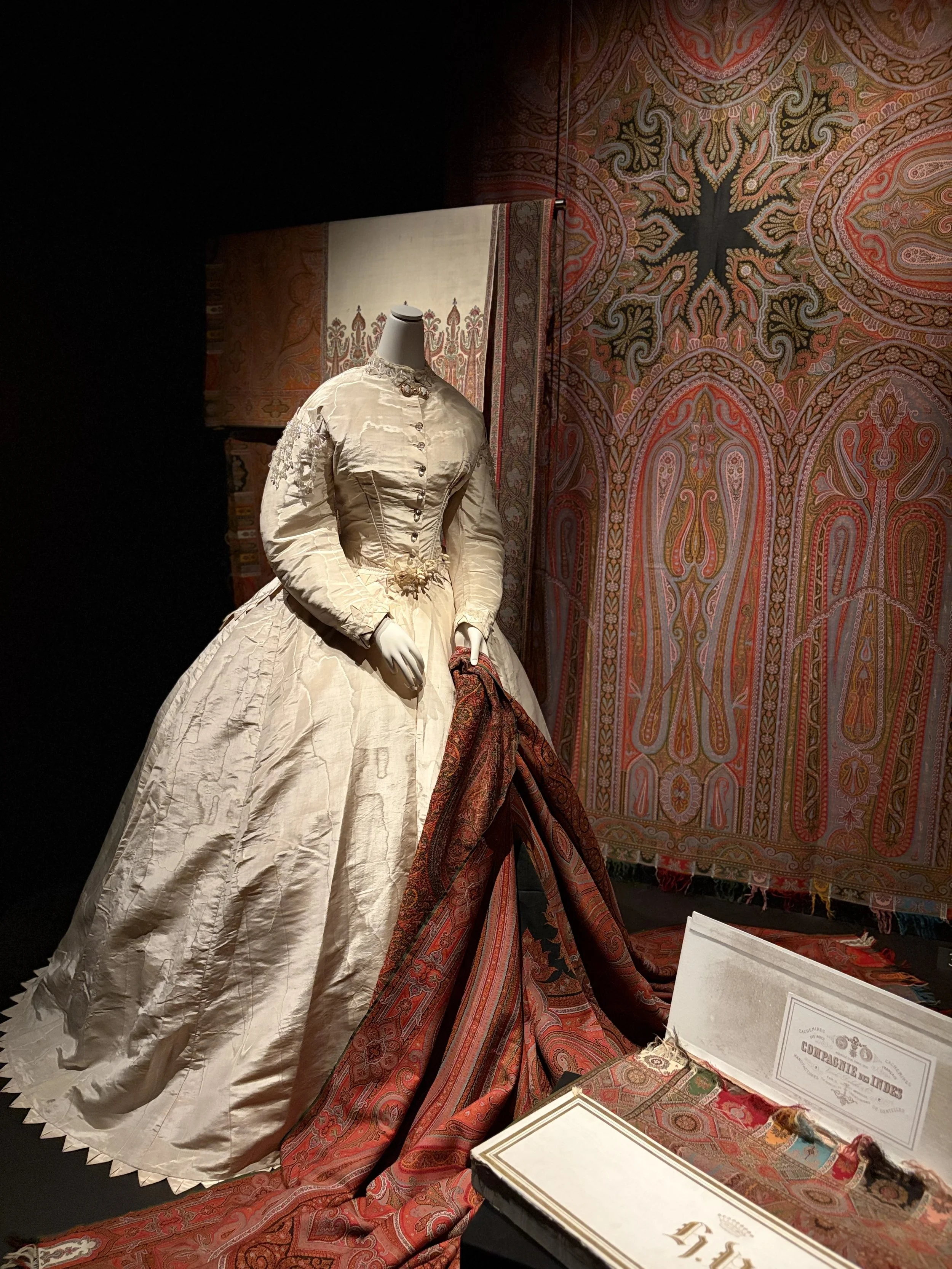
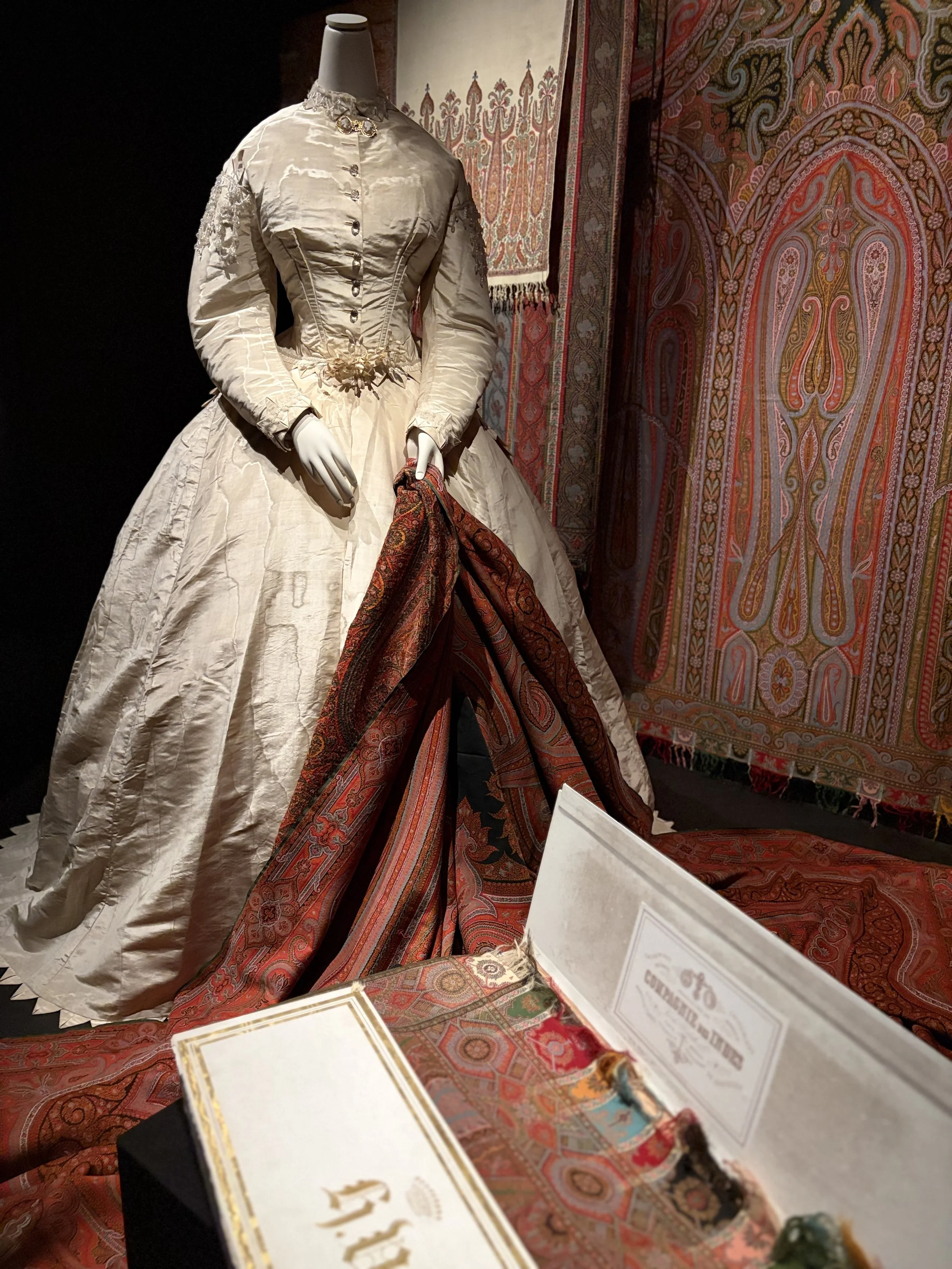
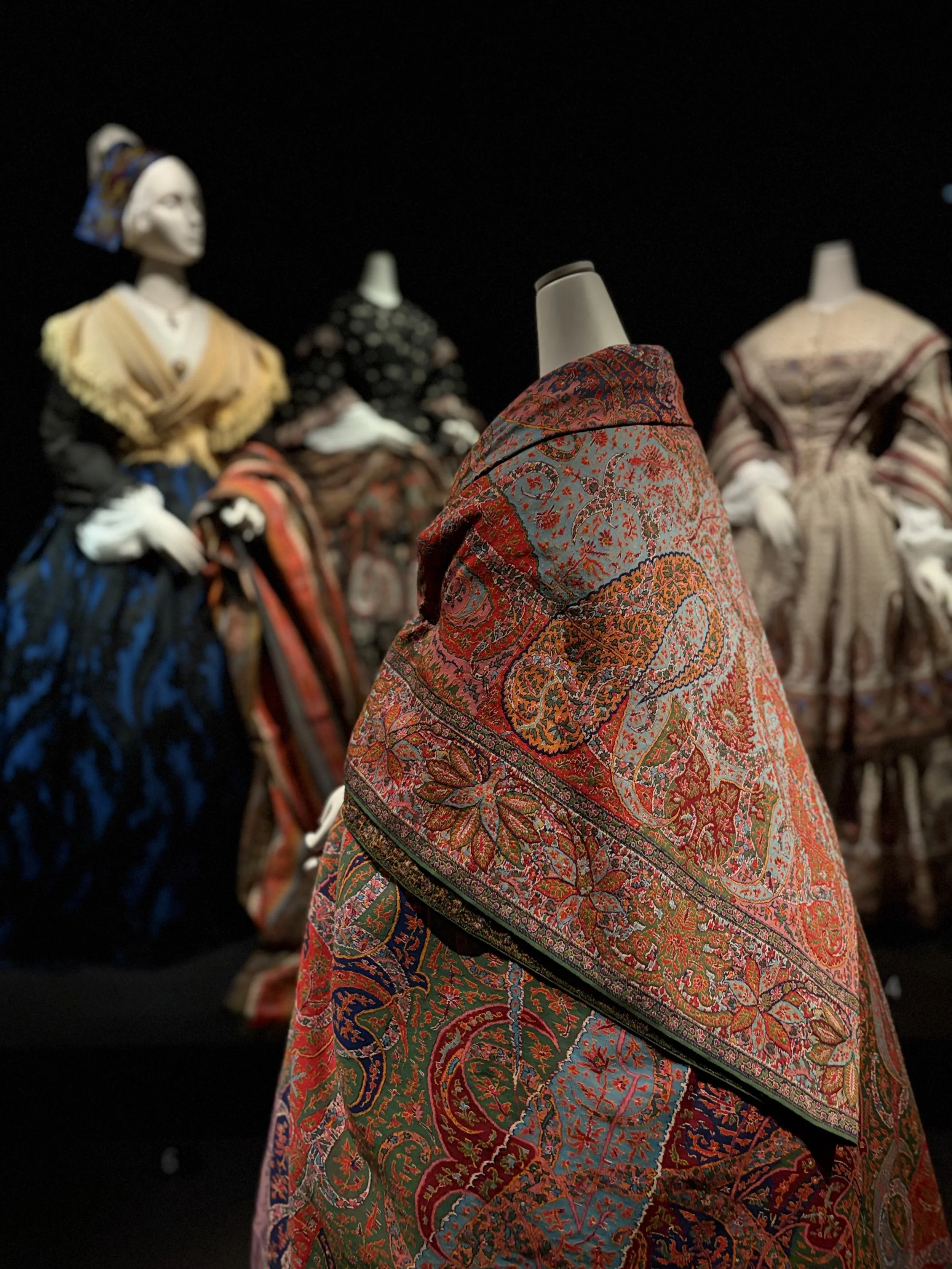
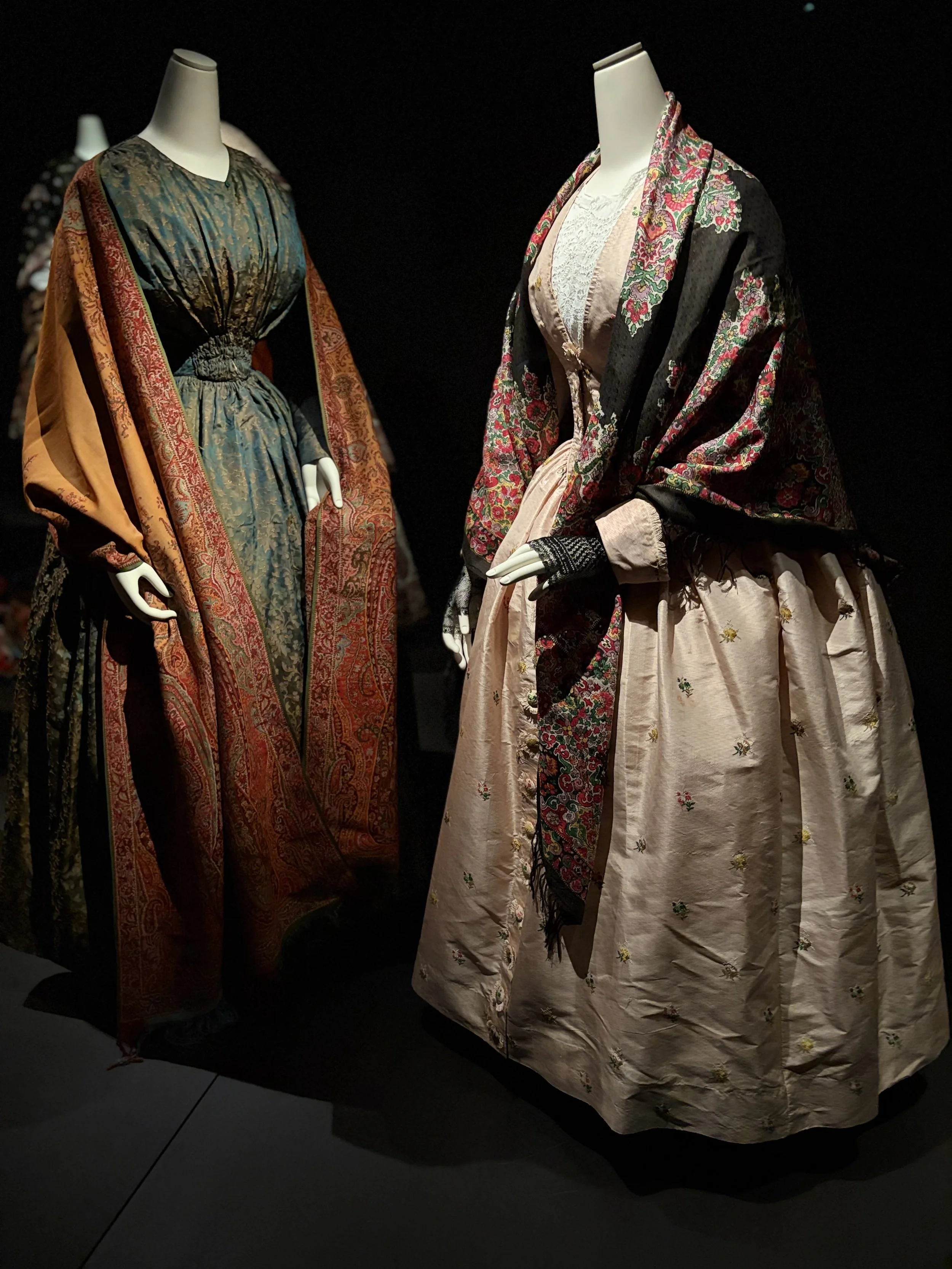
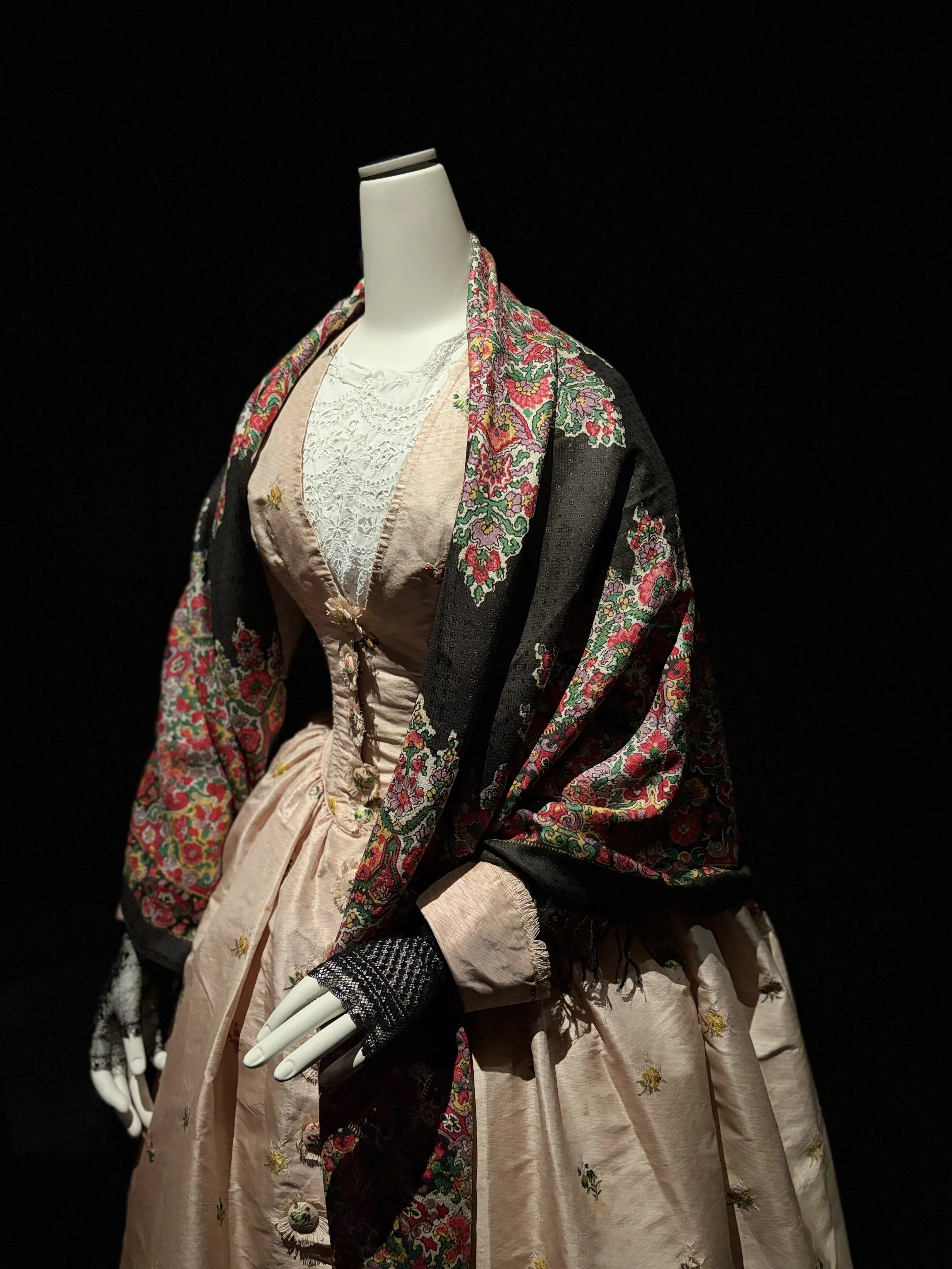
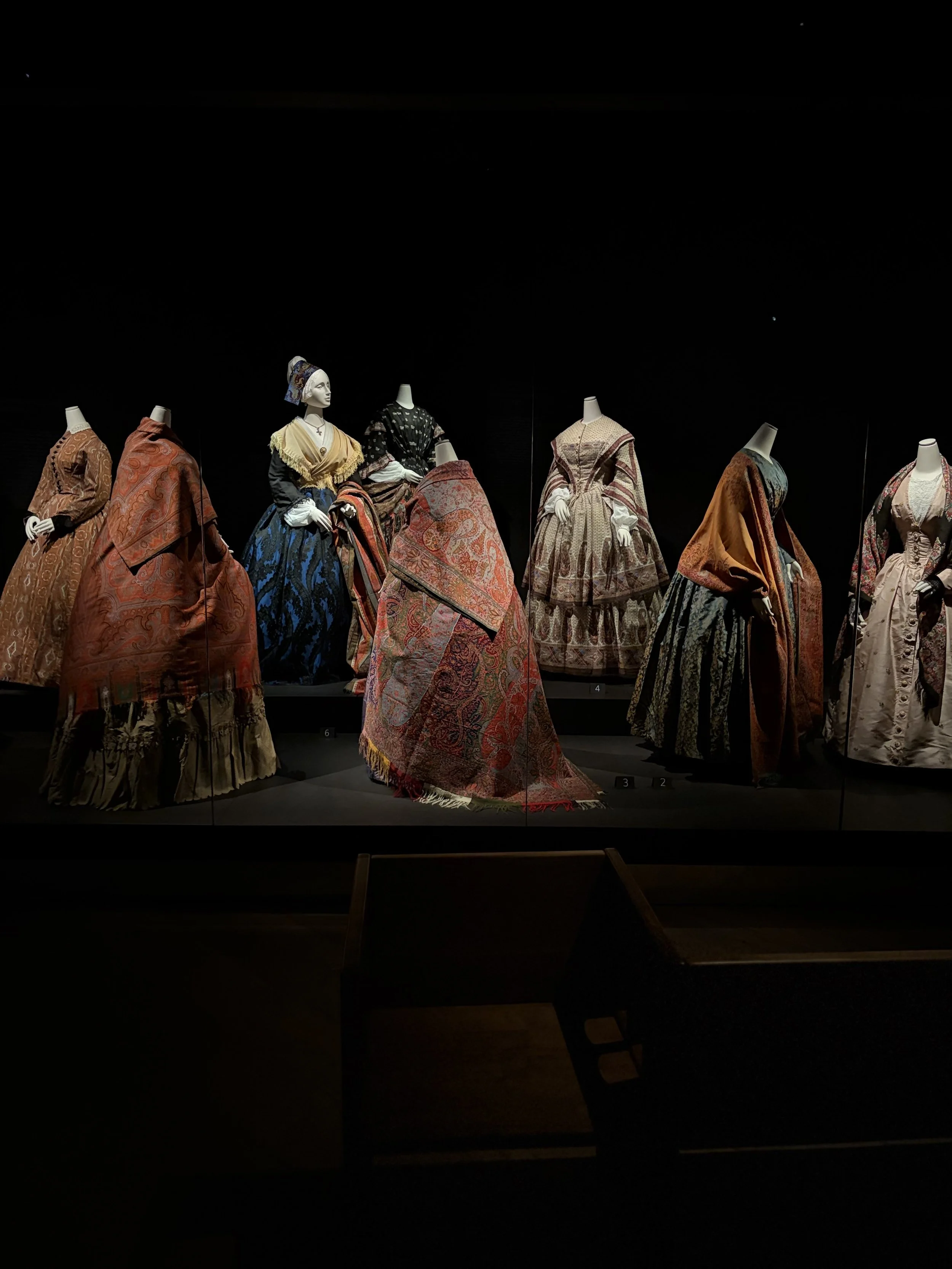
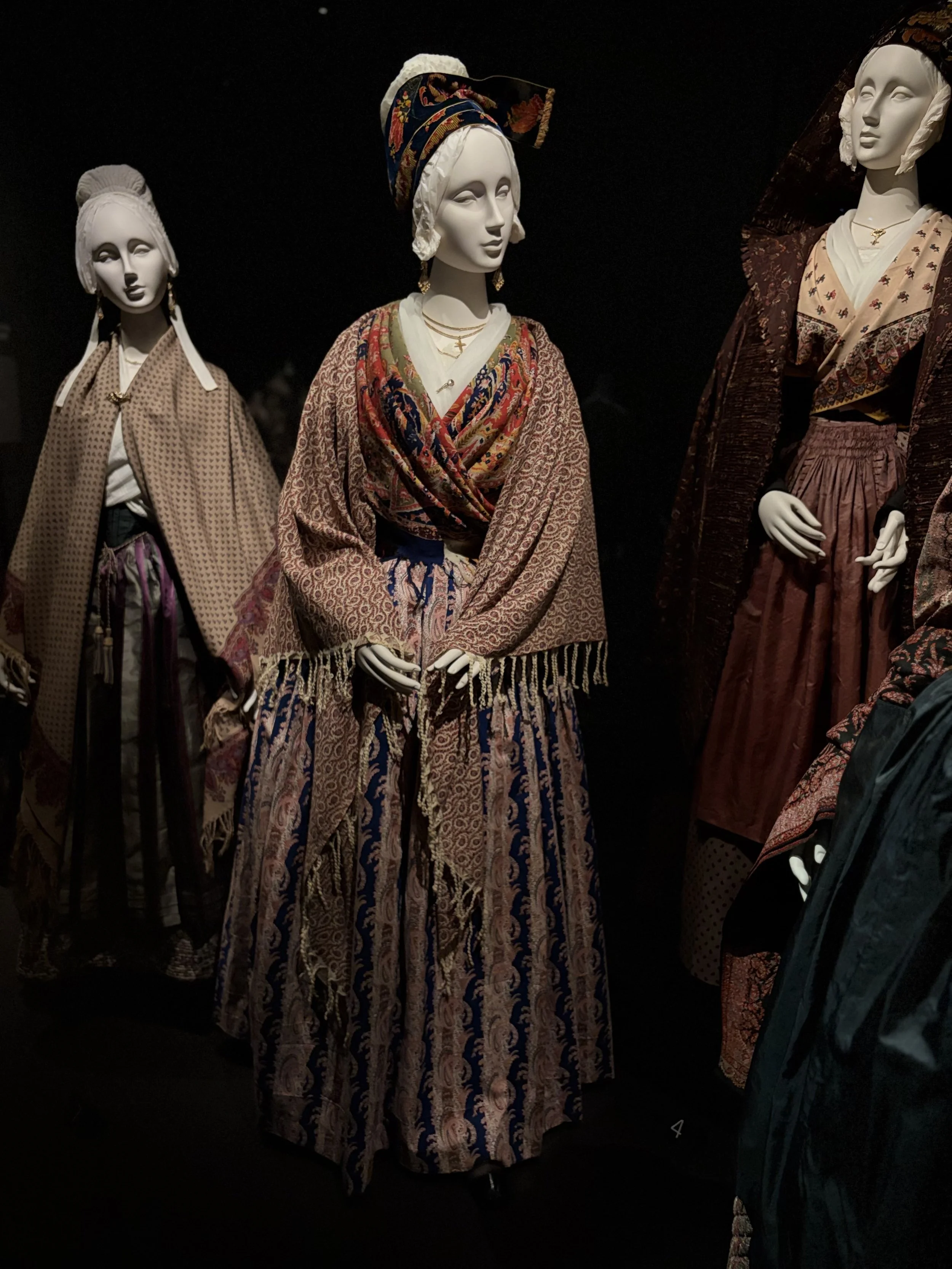
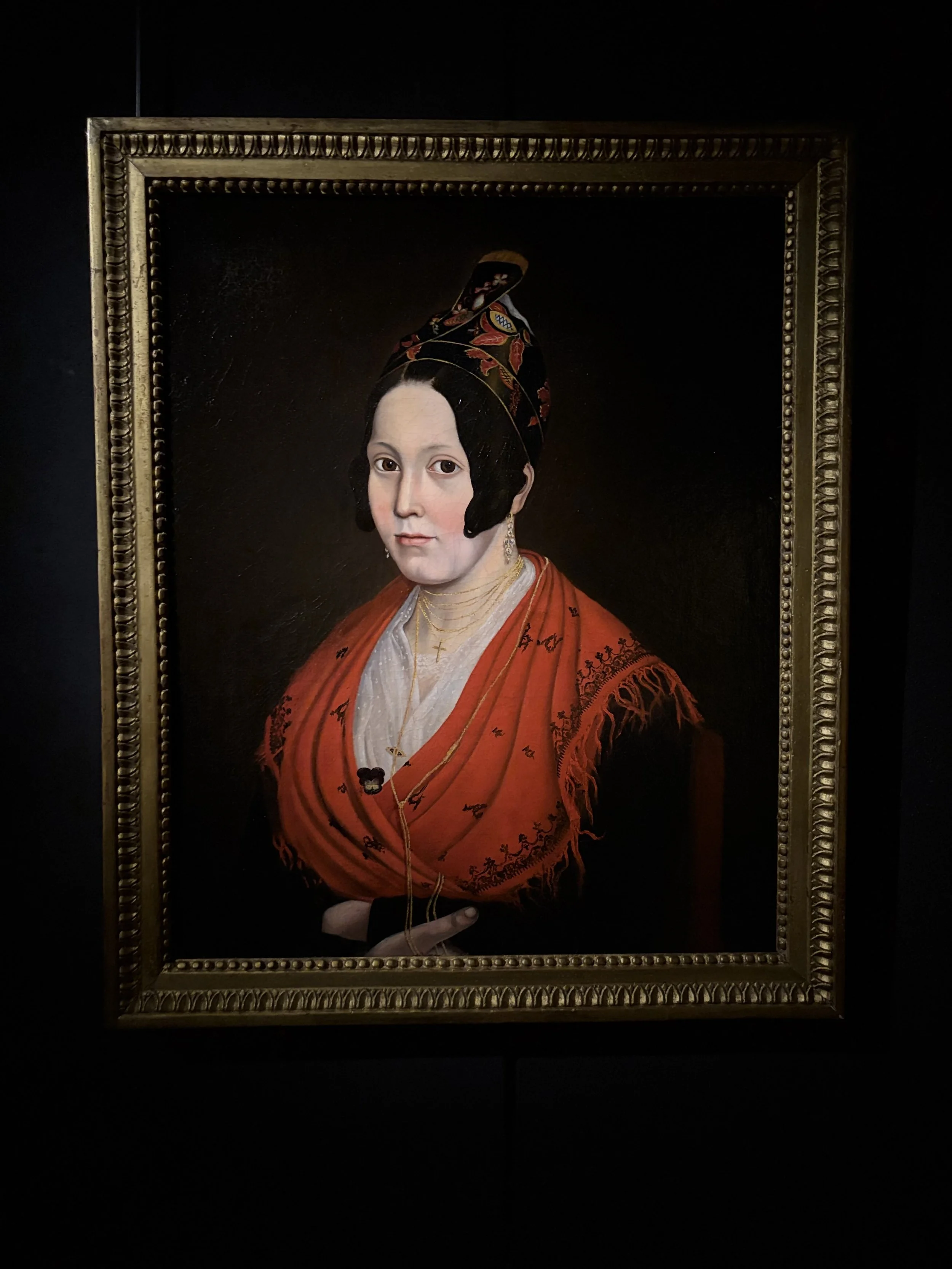
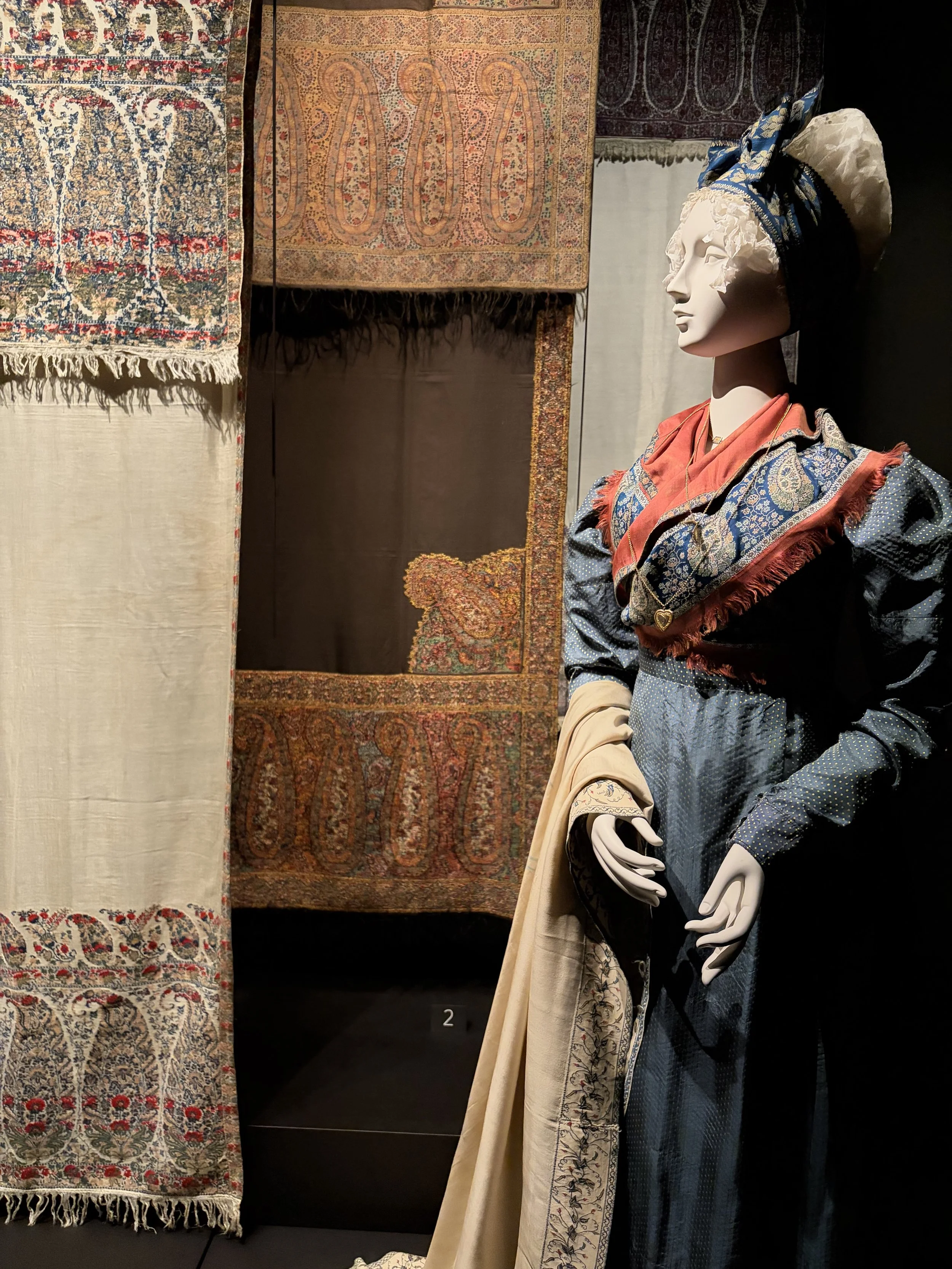
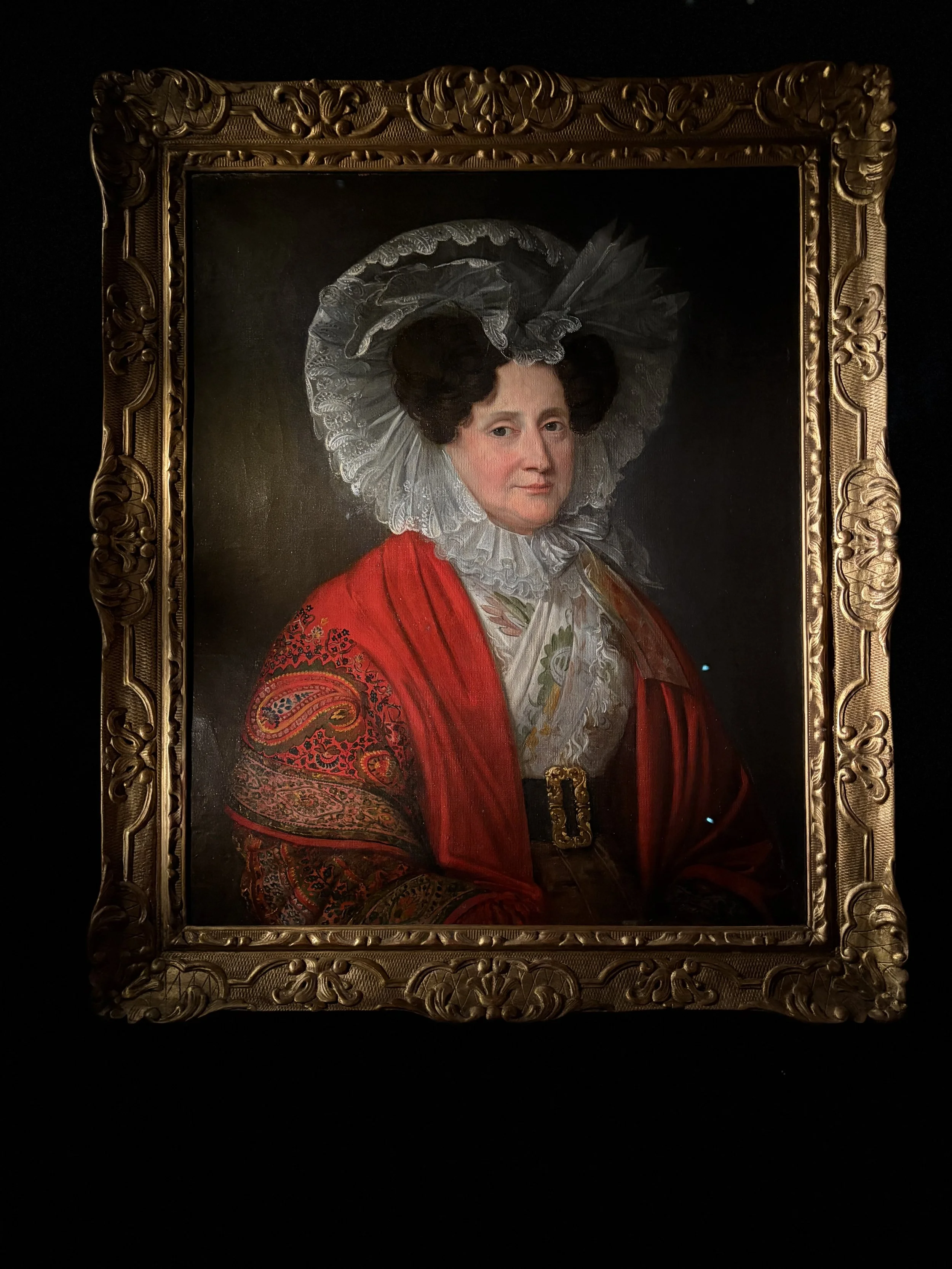
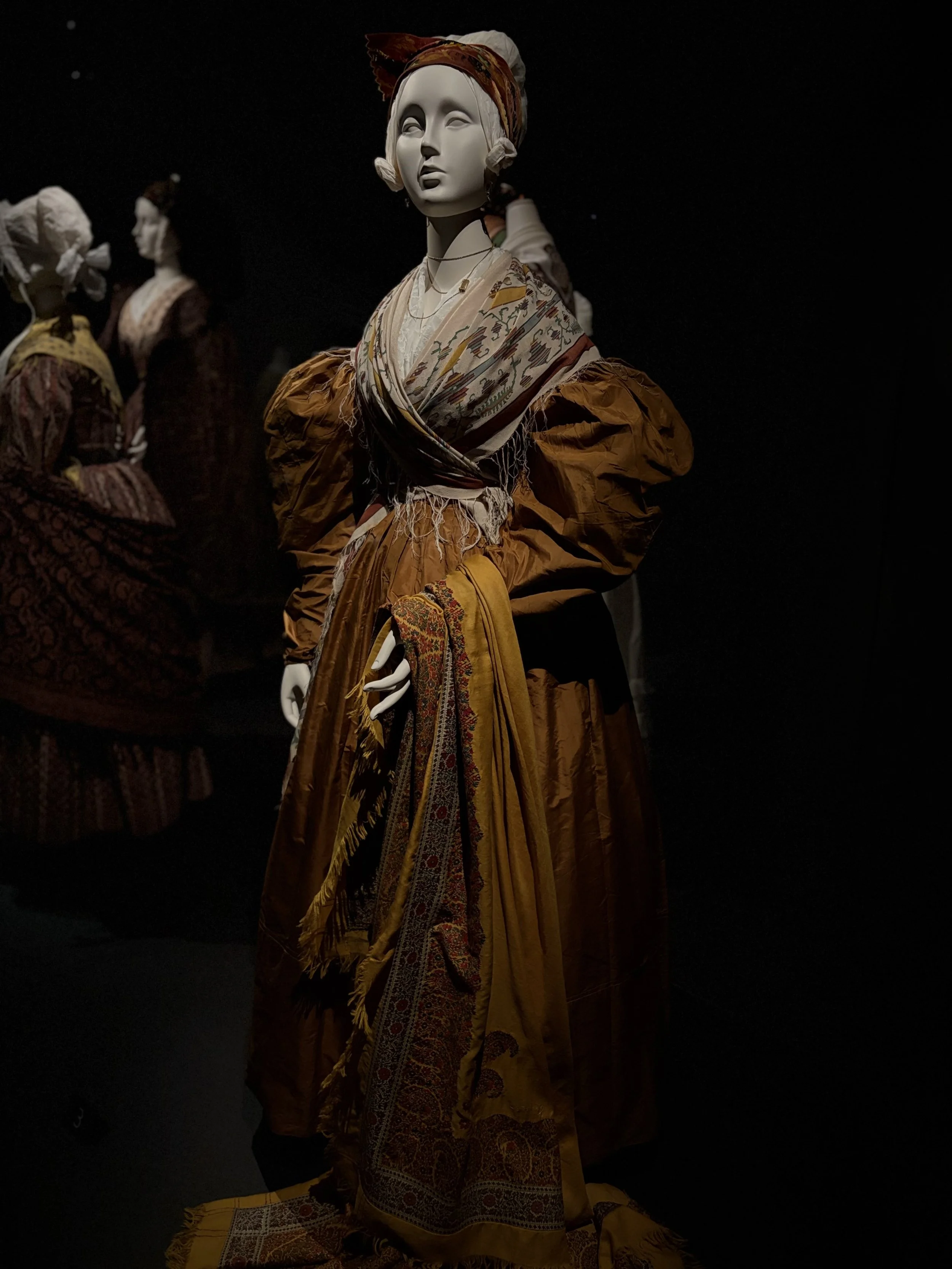
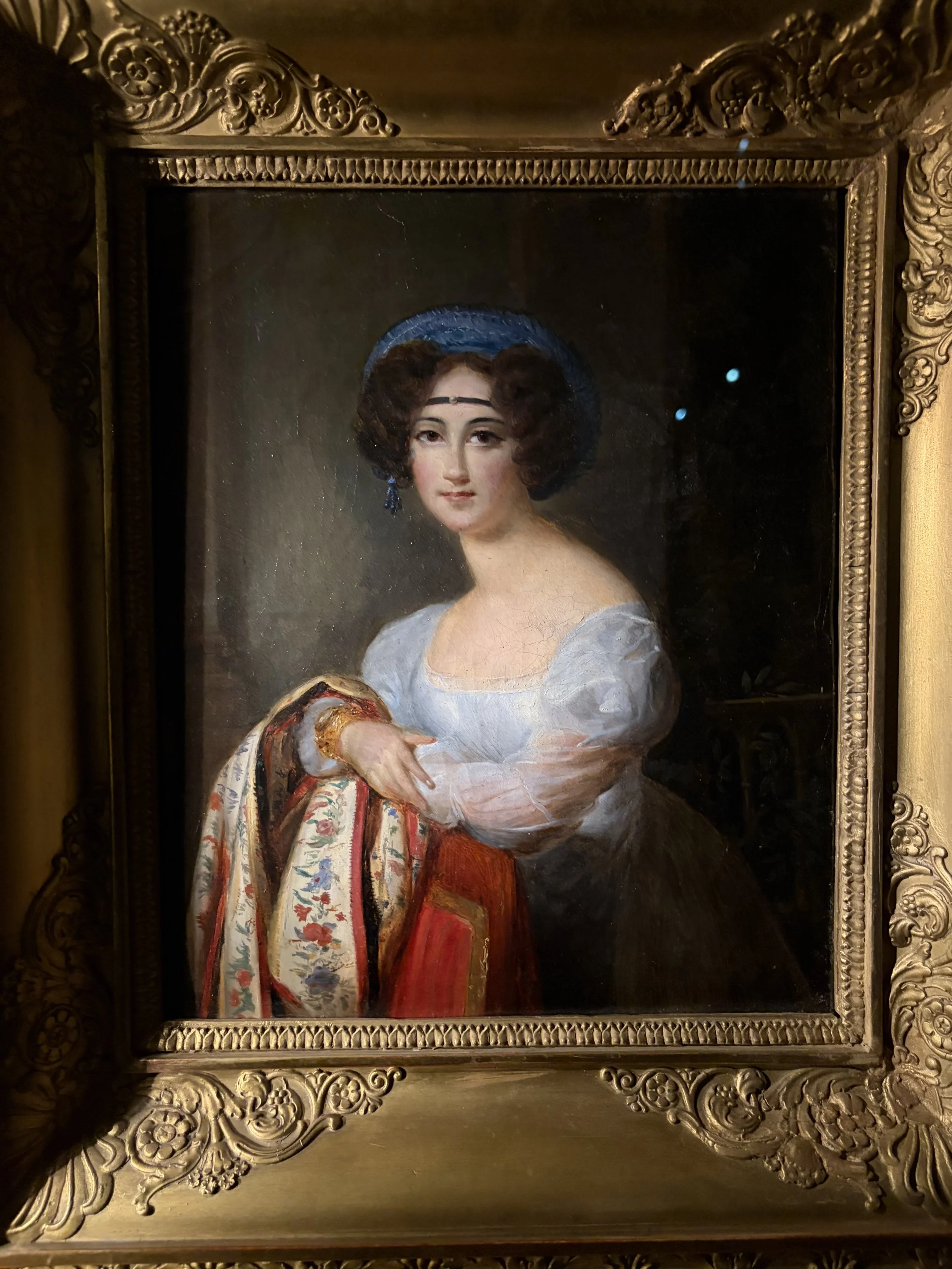
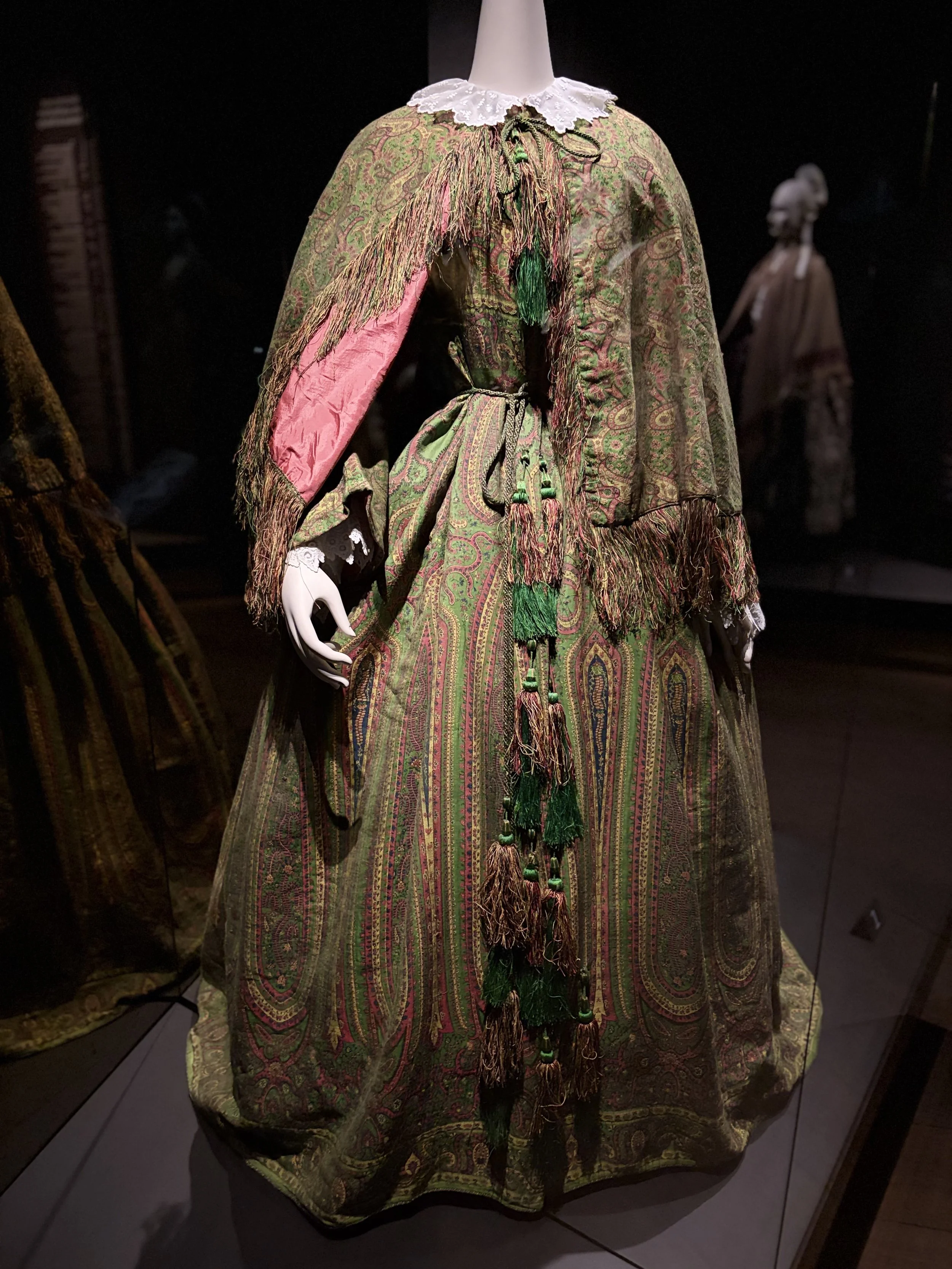
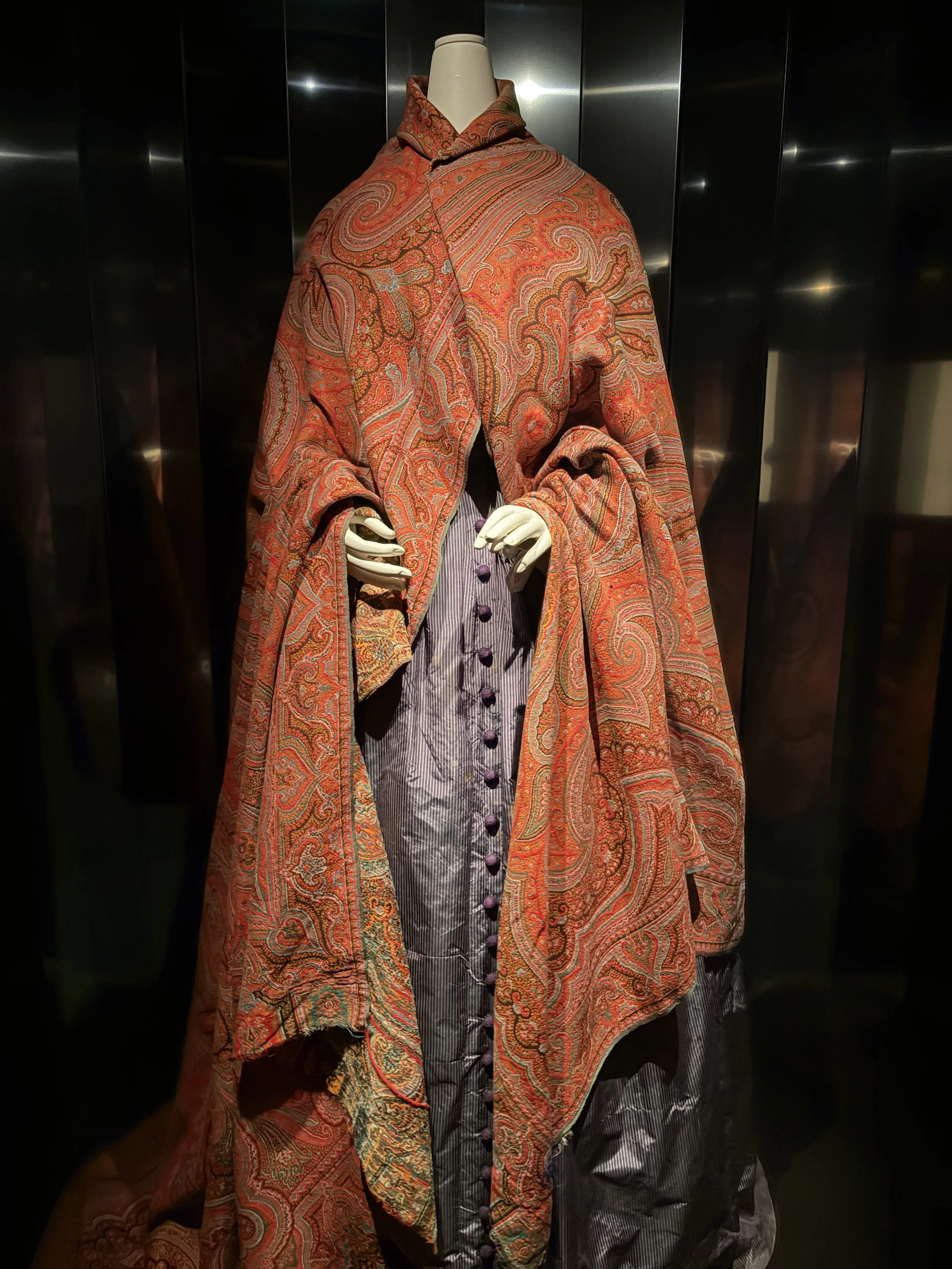
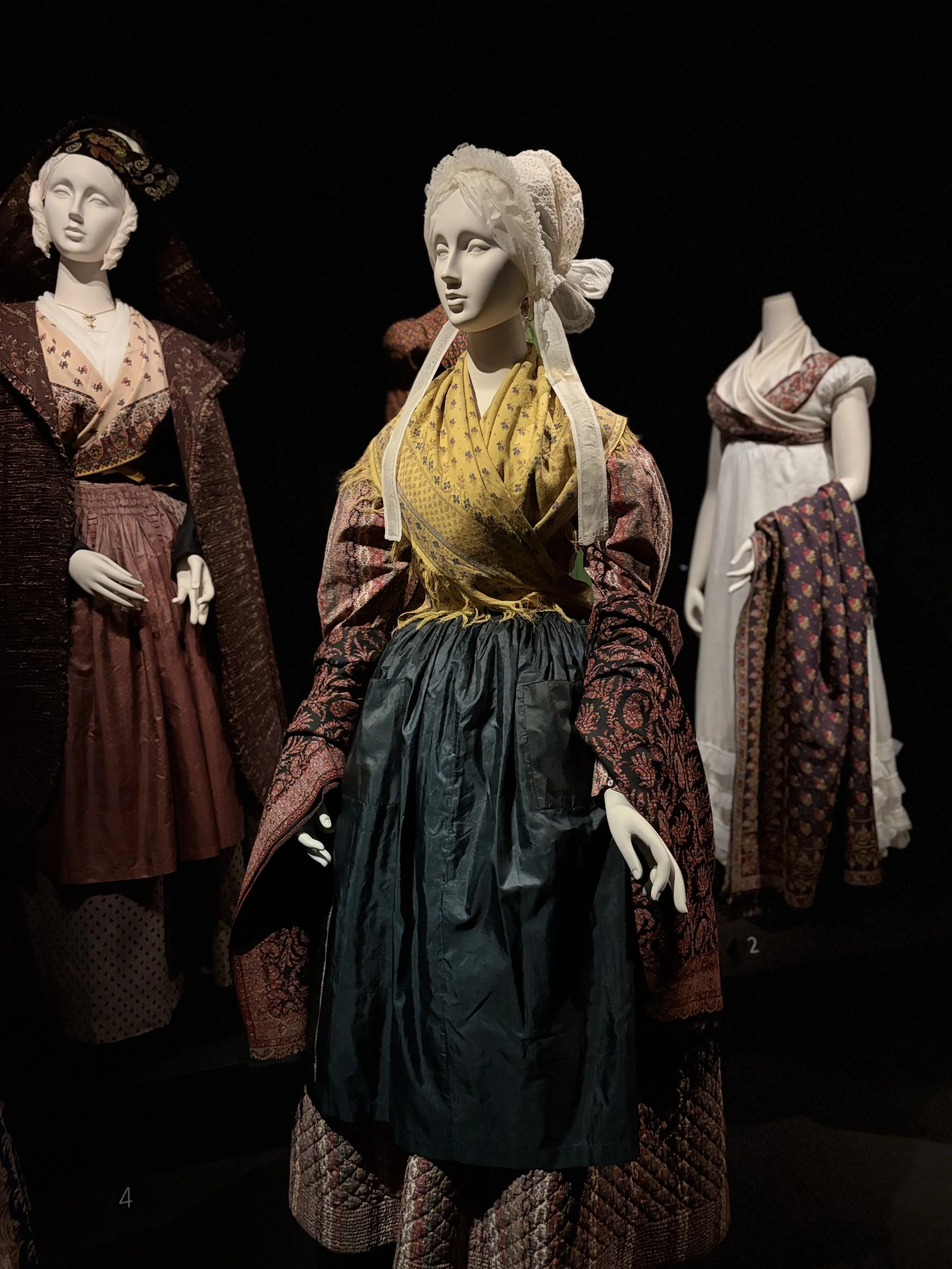
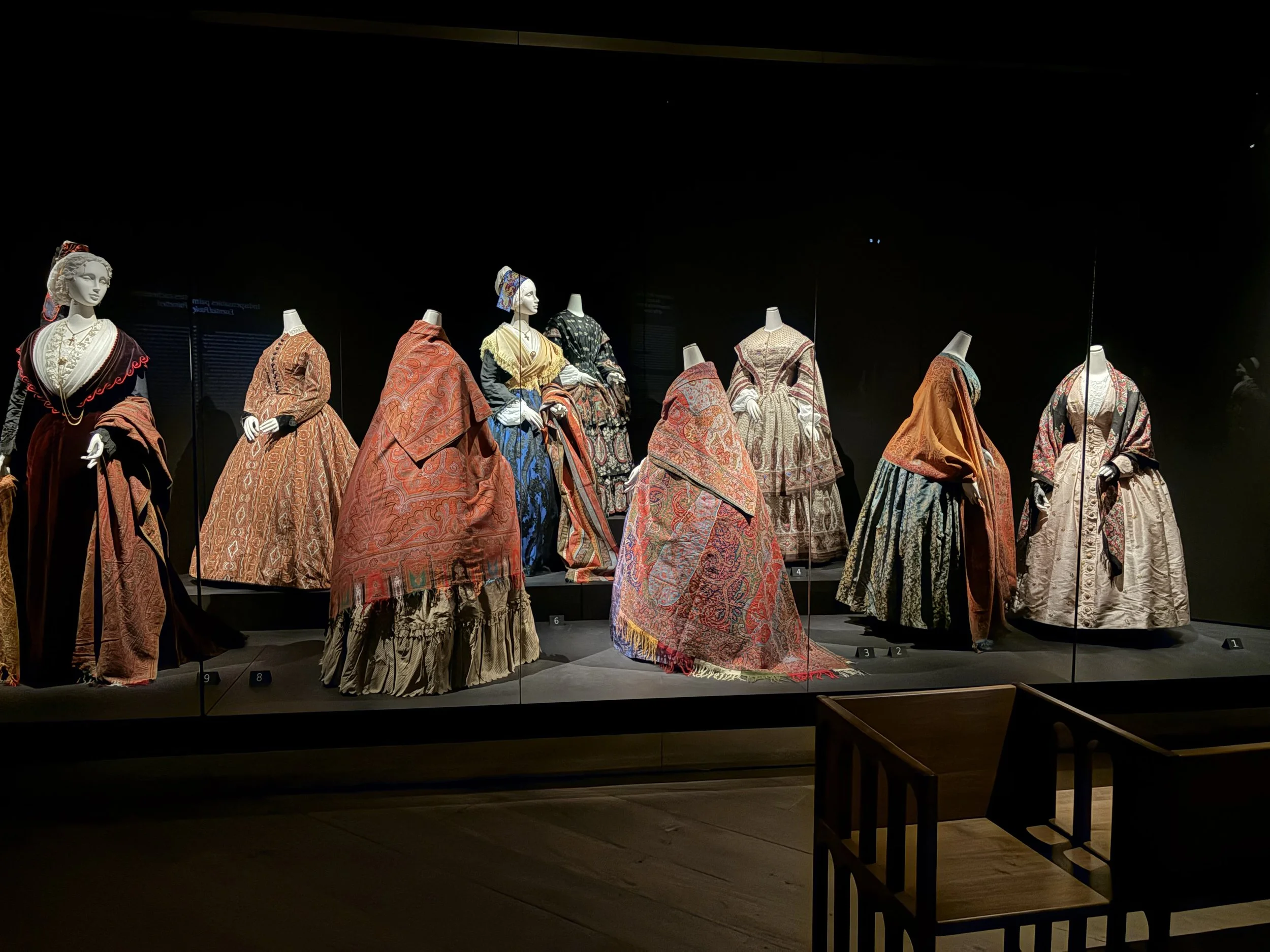
Musée de la Mode et du Costume Fragonard
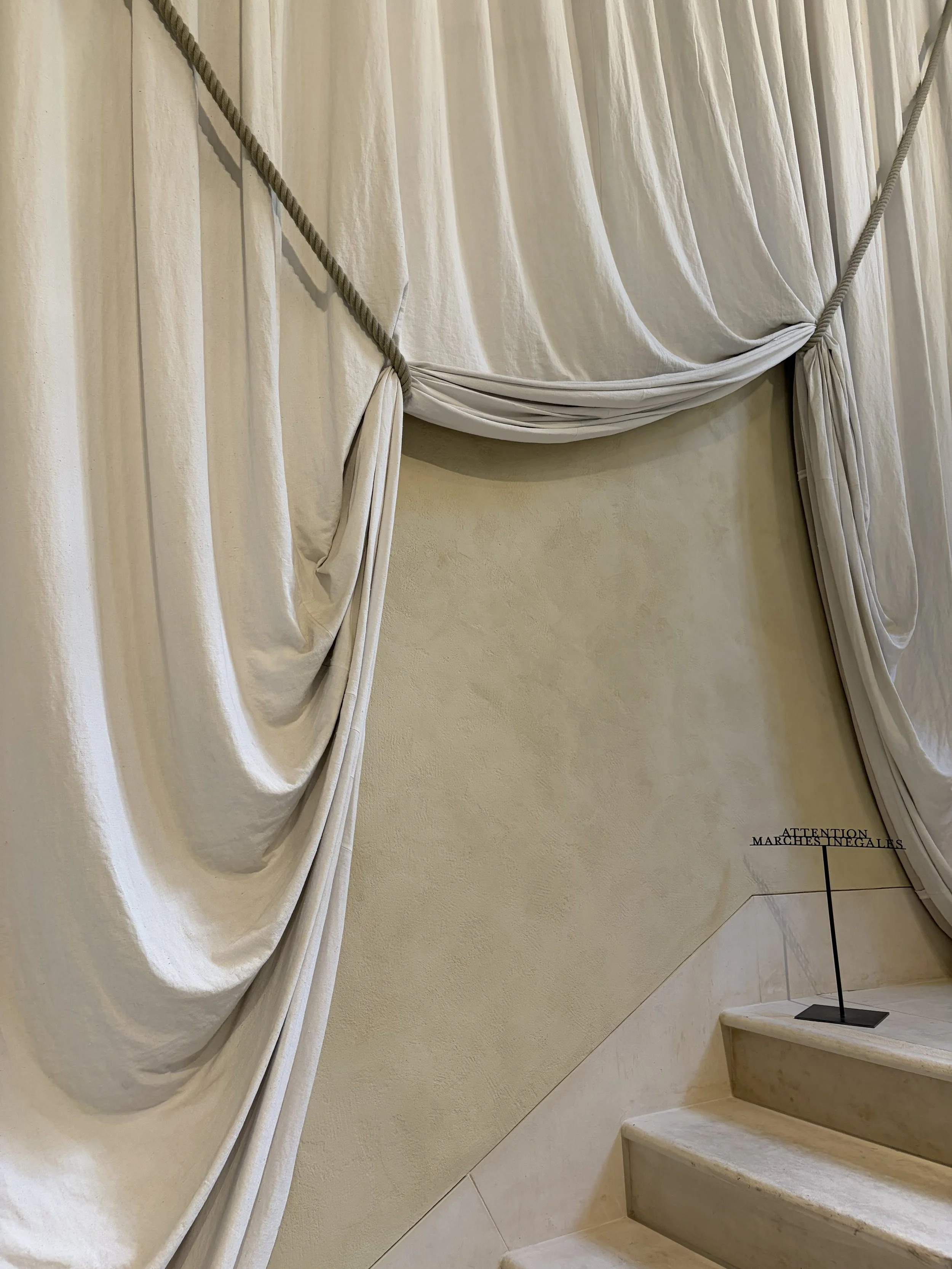
The Musée de la Mode et du Costume Fragonard in Arles is housed in the magnificent Hôtel Bouchaud de Bussy, an historic private mansion that dates back to the fourteenth century. The museum was established by Maison Fragonard, the celebrated family-owned French perfume house, which has a longstanding commitment to preserving French heritage and regional traditions. In 2019, the Costa family undertook the important task of safeguarding the remarkable Arlesian fashion and costume collections assembled by historians Odile and Magali Pascal. Combined with Madame Costa’s personal collection, the museum brings together historic costumes, textiles and jewellery from the eighteenth to the twentieth centuries, offering a fascinating insight into the evolution of Arlesian & Provençal clothing, regional identity, decorative arts and textile savoir-faire.
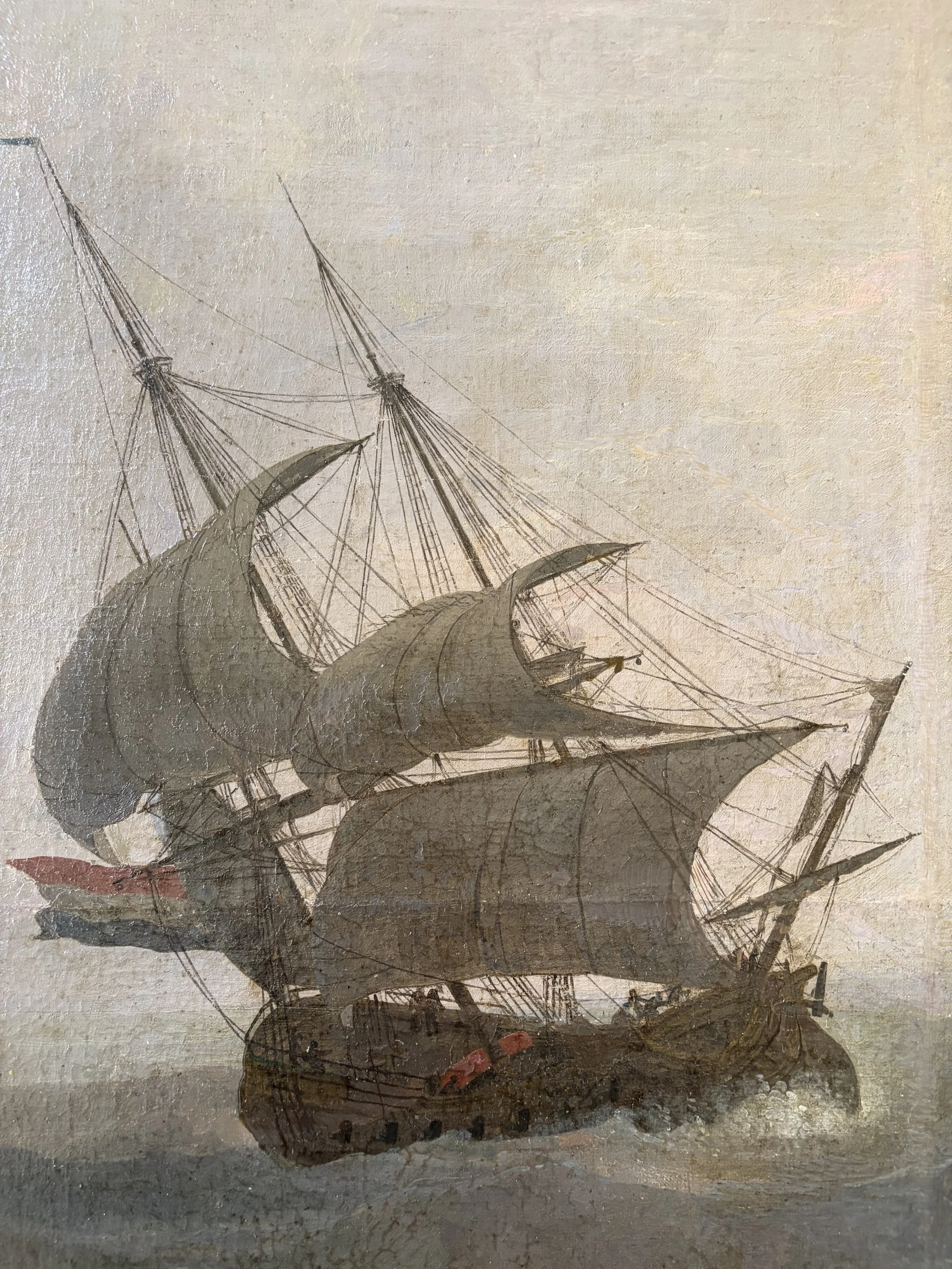
The museum is particularly special because it preserves not simply beautiful garments and accessories, but the stories, traditions and skilled textile practices that have shaped the region's cultural identity. And believe me, Arles has a fascinating story! Built in Roman times on the banks of the river Rhone, by the 17th and 18th centuries Arles was ideally located to receive the exquisite textiles that arrived in the port of Marseille from the furthest corners of the world. The harbours and riverbanks billowed with the sails of ships and boats that transported the imported chintz, cotton and silks north through France on the river Rhone. The Arlesians had first choice and over the centuries traditional Provençal costume merged with Parisian fashions and imported fabrics to weave an incredibly rich cultural fabric - all of which is celebrated in the collections, exhibitions and architecture of the Musée de la Mode et du Costume Fragonard.