
Le Grand Dauphin: Fils de Roi, Père de Roi, et Jamais Roi
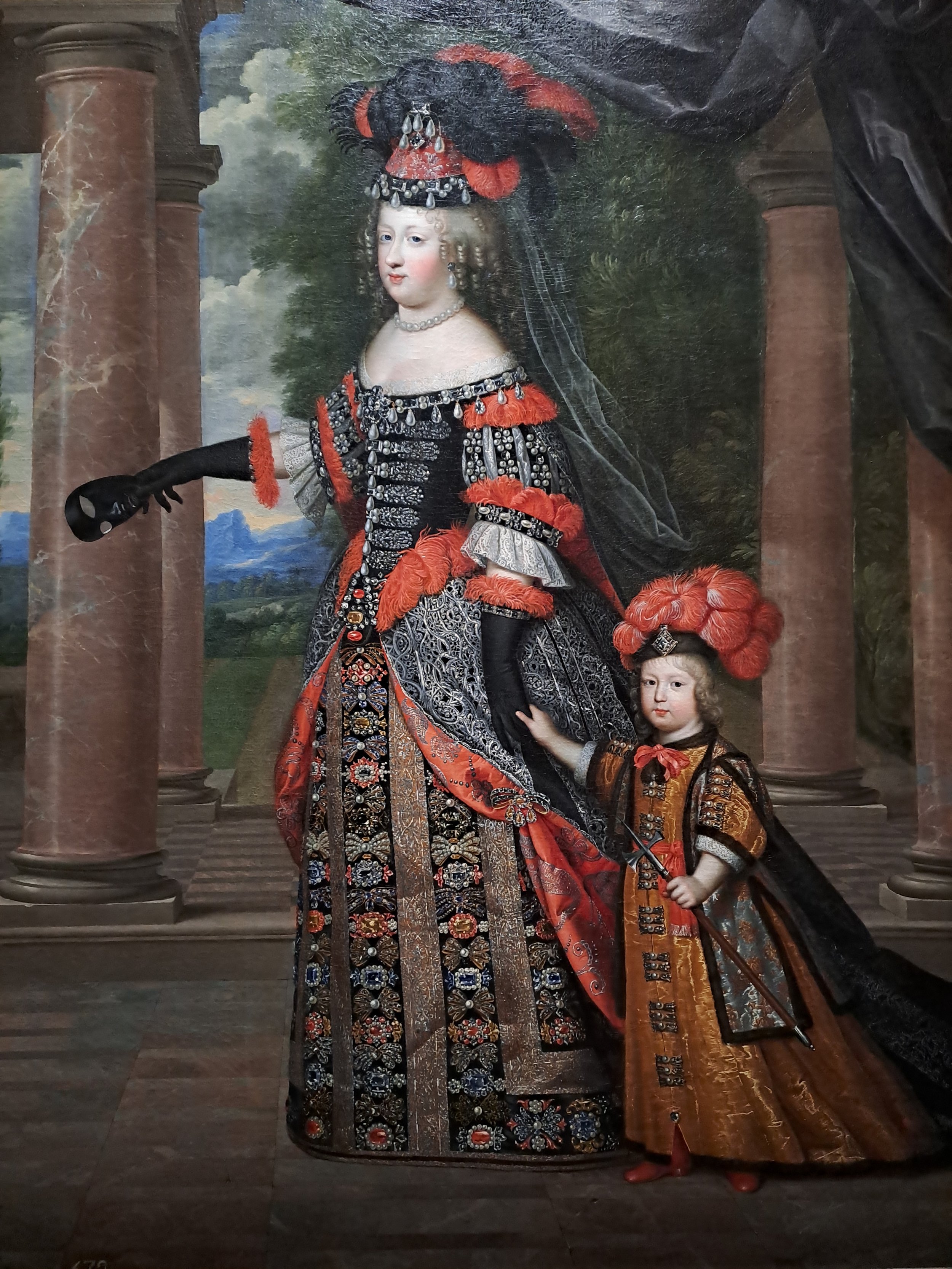
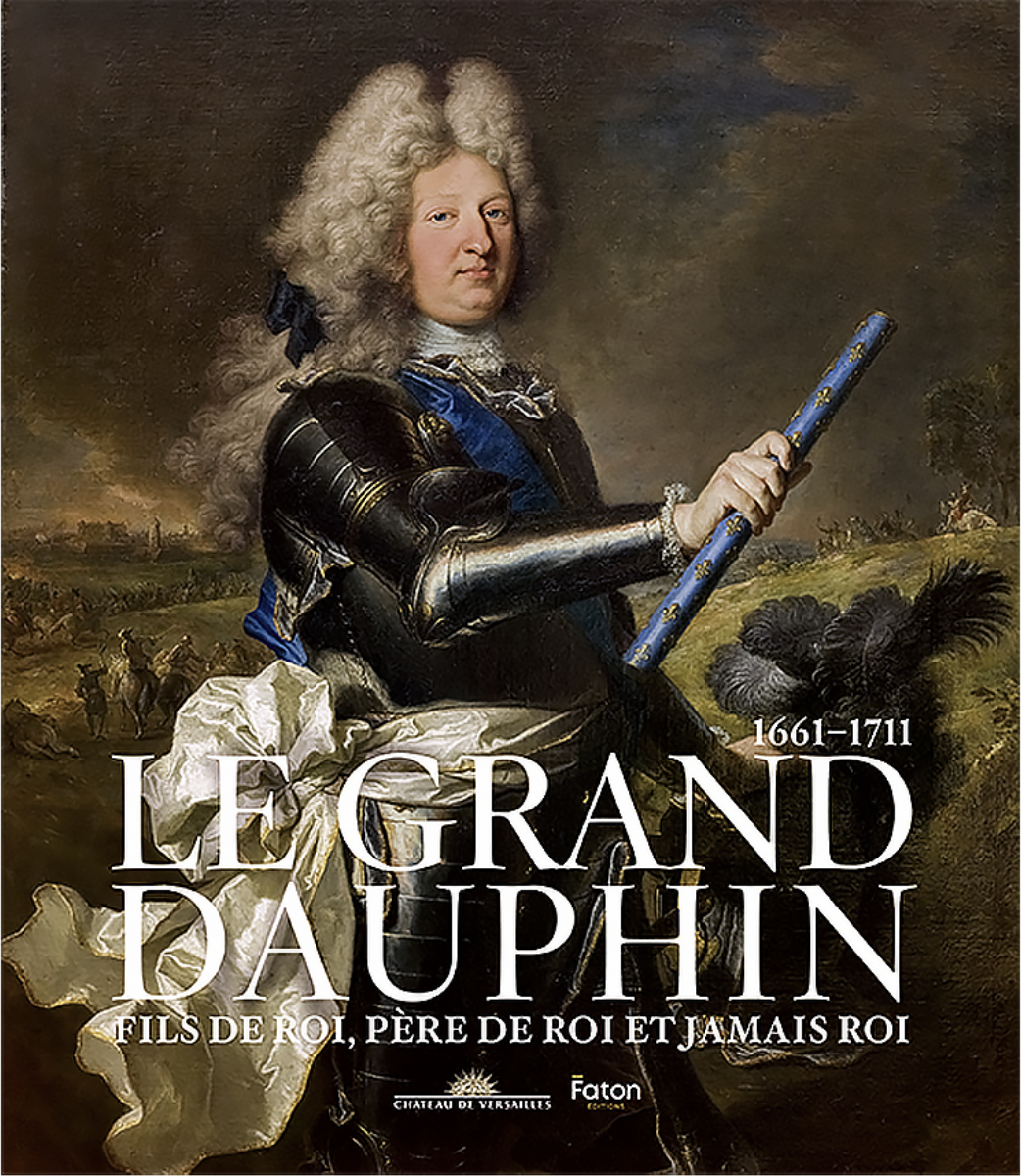
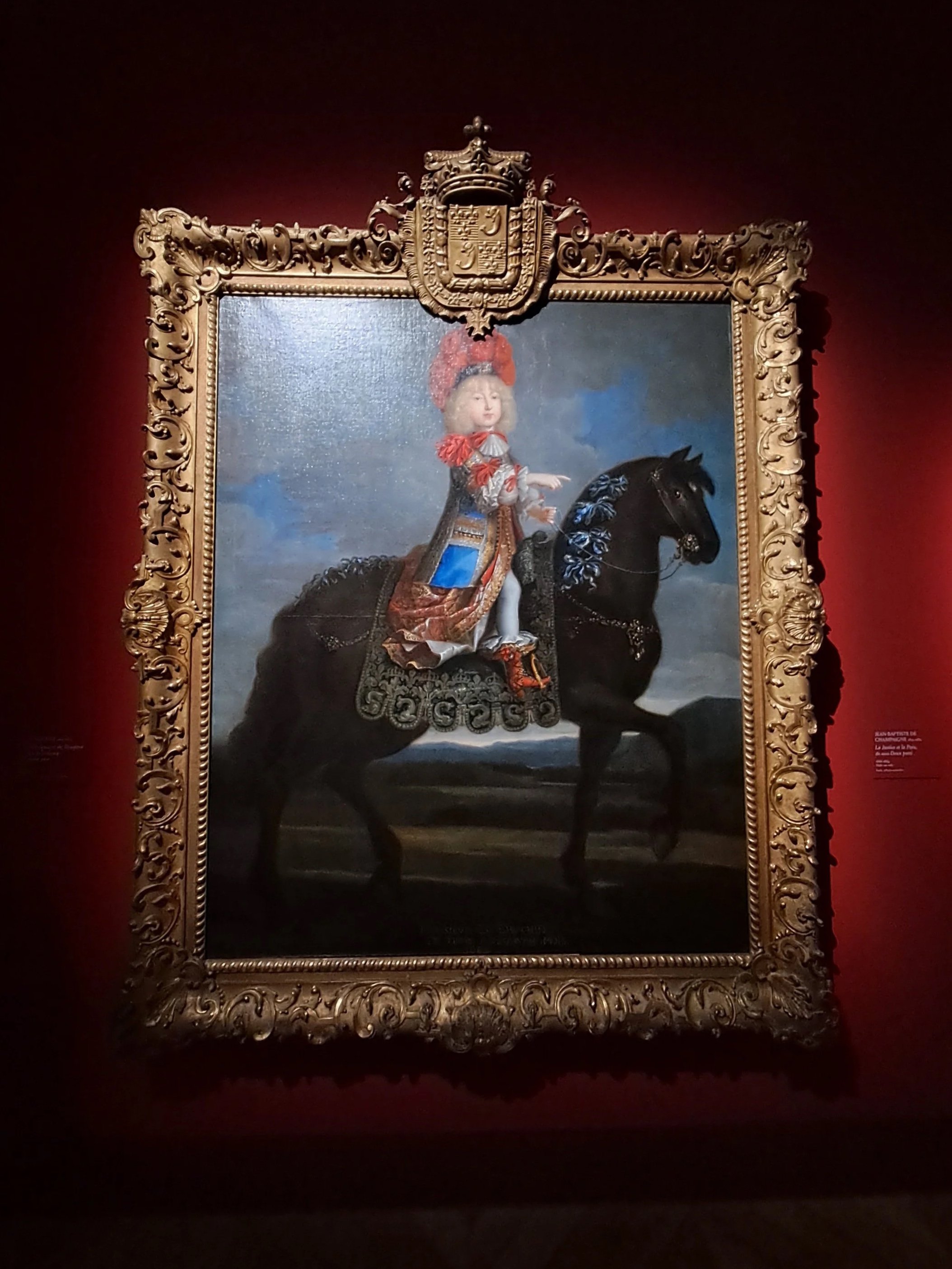
This was an unexpected and very immersive exhibition visit! I made a trip to Versailles to do some research and my lovely friend Corinne Thépault, a cultural curator at the palace and an expert in Fashion and Dress History, happened to be free for a few hours. Corinne very kindly accompanied me through the temporary exhibition on a private tour of Le Grand Dauphin: Fils de Roi, Père de Roi, et Jamais Roi (The Grand Dauphin: Son of a King, Father of a King, and Never a King). The Château de Versailles presented this wonderful exhibition dedicated to a figure who is too often left in the shadows of the Sun King: the Grand Dauphin, Louis de France, the eldest son of Louis XIV. There were nearly 250 remarkable works drawn from French and international collections, and the exhibition revealed the life of a prince I had never heard of, central to Bourbon dynastic hopes, yet never destined to reign. I was lost in the Louis’s and Corinne patiently explained the Bourbon dynasty family-tree several times during our visit. The Grand Dauphin never ascended the throne, but his upbringing, royal residences, and devotion to the arts offered a compelling portrait of a destiny imagined but sadly, never realised.
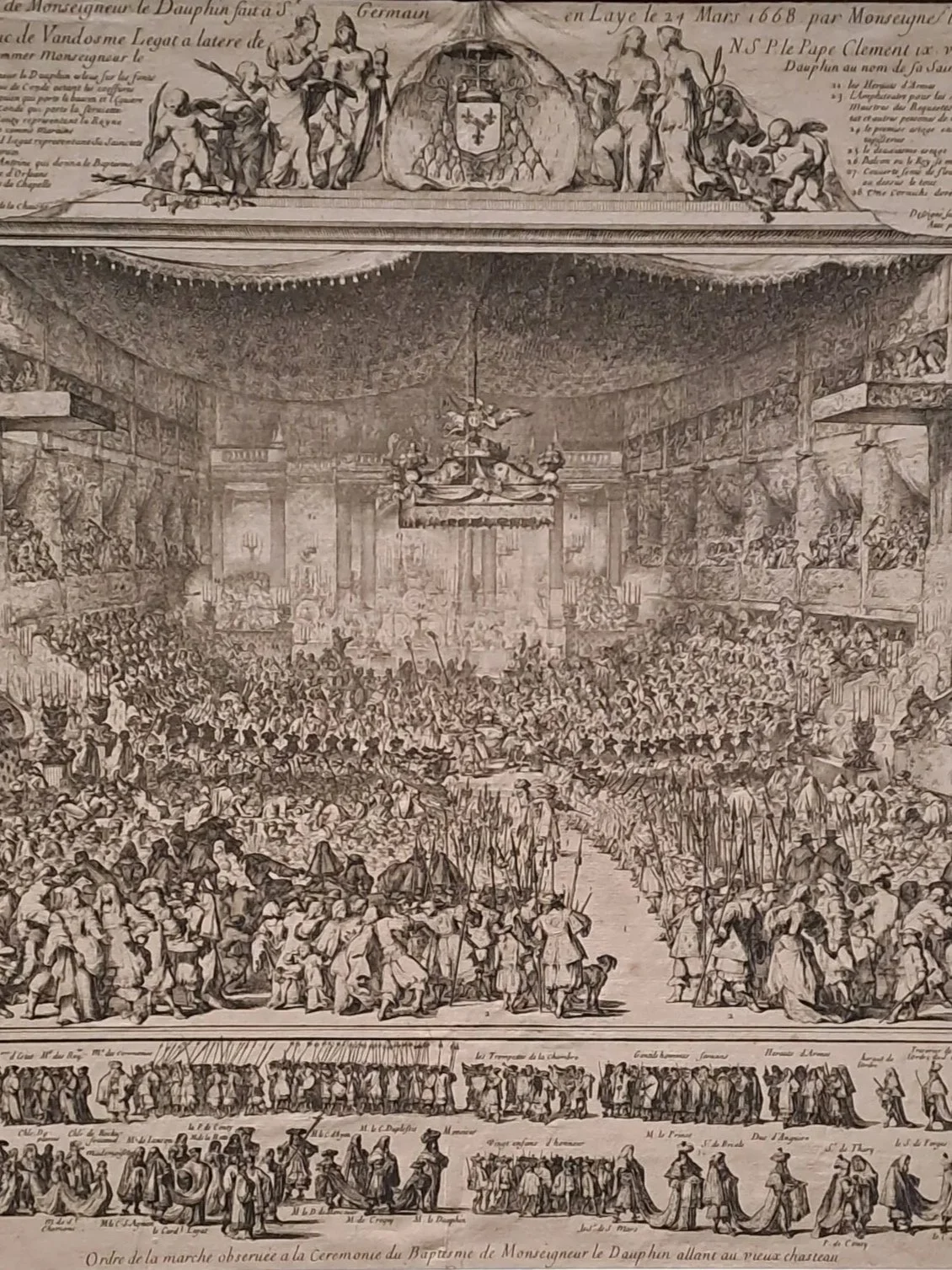
Born in 1661 to Louis XIV and Marie-Thérèse, Louis de France was known in his lifetime simply as Monseigneur and later came to be remembered as the Grand Dauphin. What is a dauphin you may ask? A dauphin is the heir to the French crown and they are awarded the title at birth, protected and prepared for their future role as King of France. Does dauphin also mean dolphin in French? Yes, and the beautiful emblem of the dauphin or dauphine is a dolphin. The Duke of Saint-Simon captured his story in a single, poignant line: “Son of a king, father of a king, but never king himself.”
Son of a king: as heir to the Sun King, he was afforded a thoughtful, forward-looking education and played a visible, vibrant role in courtly life, particularly at Versailles—with all its pageantry and ritual. From birth, this little boy was prepared for his role as the future ruler of France. His education was intense; the first seven years of his life were spent in the company of women with a female governess and the ensuing years were spent in the company of men with male tutors, learning about the arts, hunting, military tactics, and science. There’s a fascinating description of his education in the Visitors Guide.
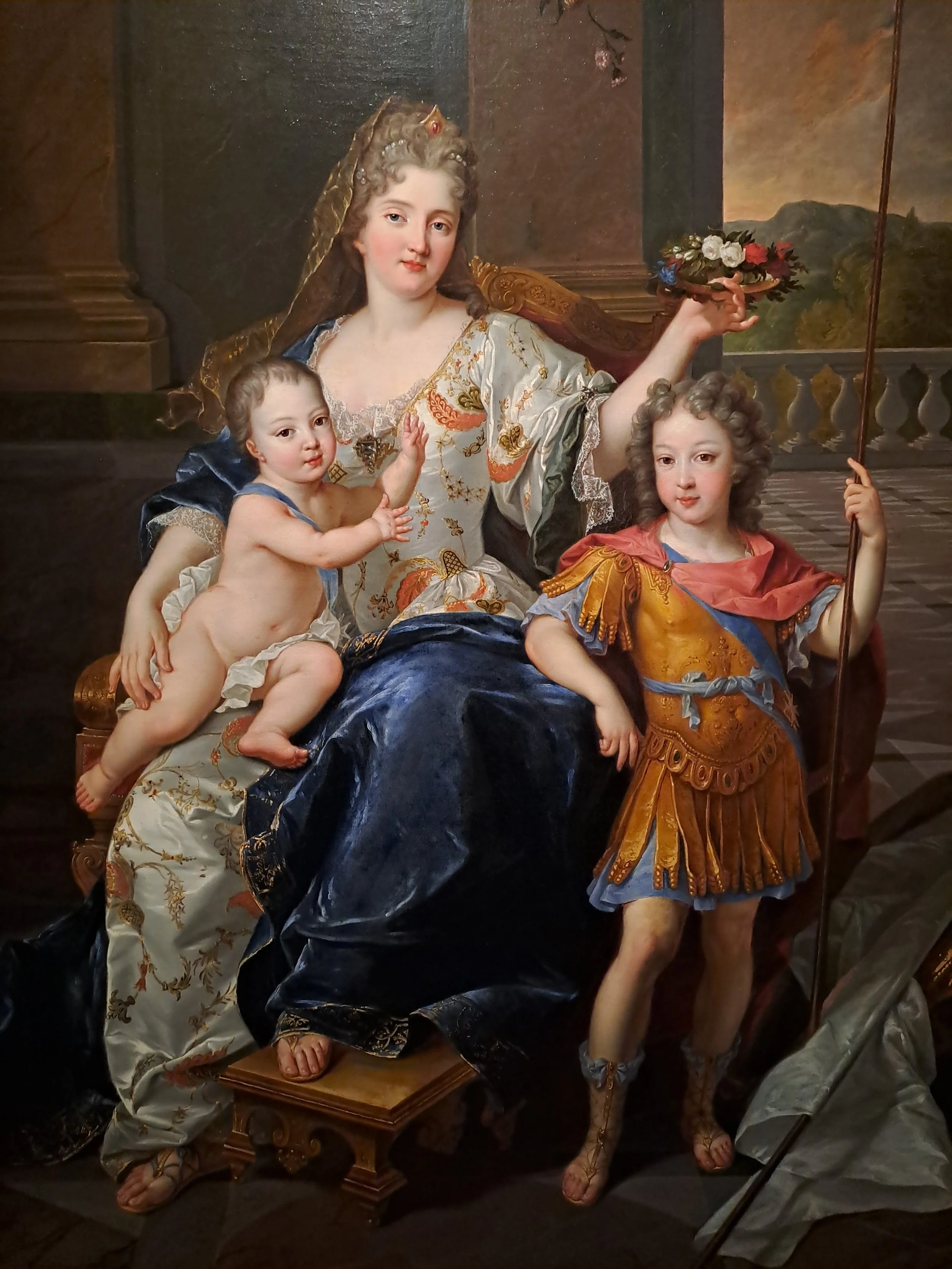
Father of a king: The Grand Dauphin ended his official education when he married Marie-Anne de Bavière at age 19. The Dauphine had three sons, the middle one became King Philip V of Spain, linking the French and Spanish crowns in the great dynastic weave of Europe. The legacy and lineage of the Grand Dauphin continued at the French Royal Court, Louis XV was his grandson (if you’re getting confused - as I am writing this - return to the family tree in the Visitors Guide linked above).
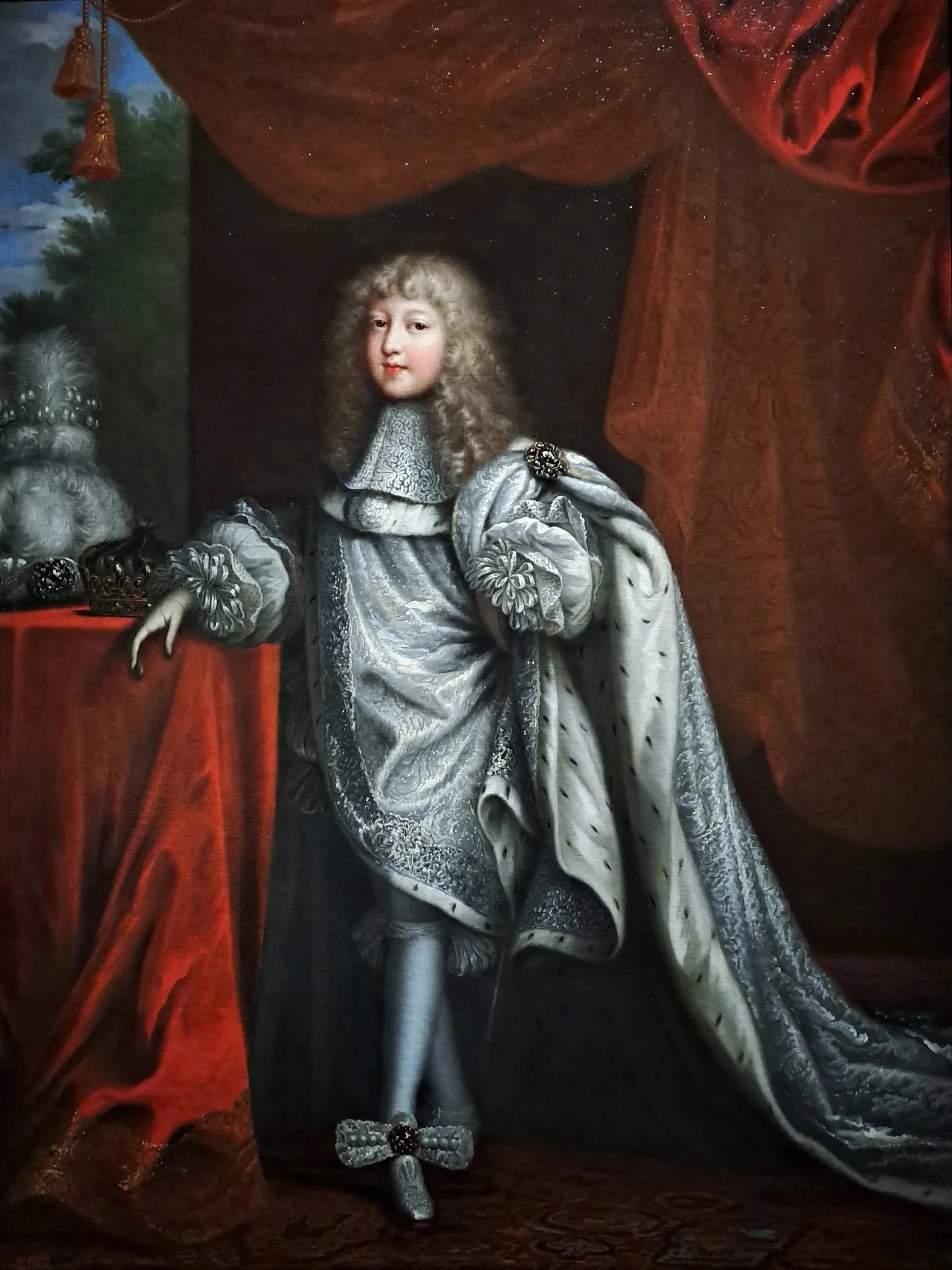
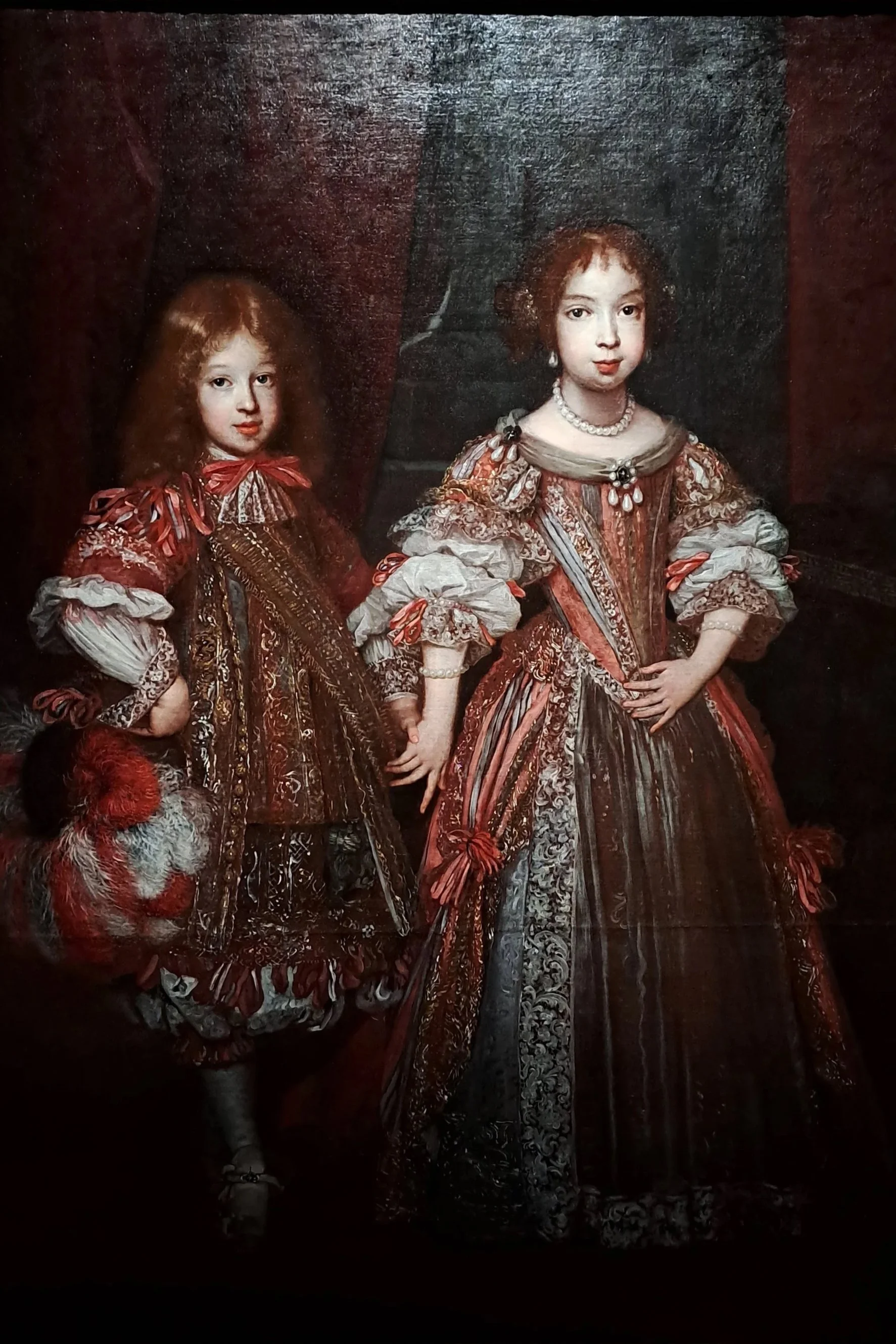
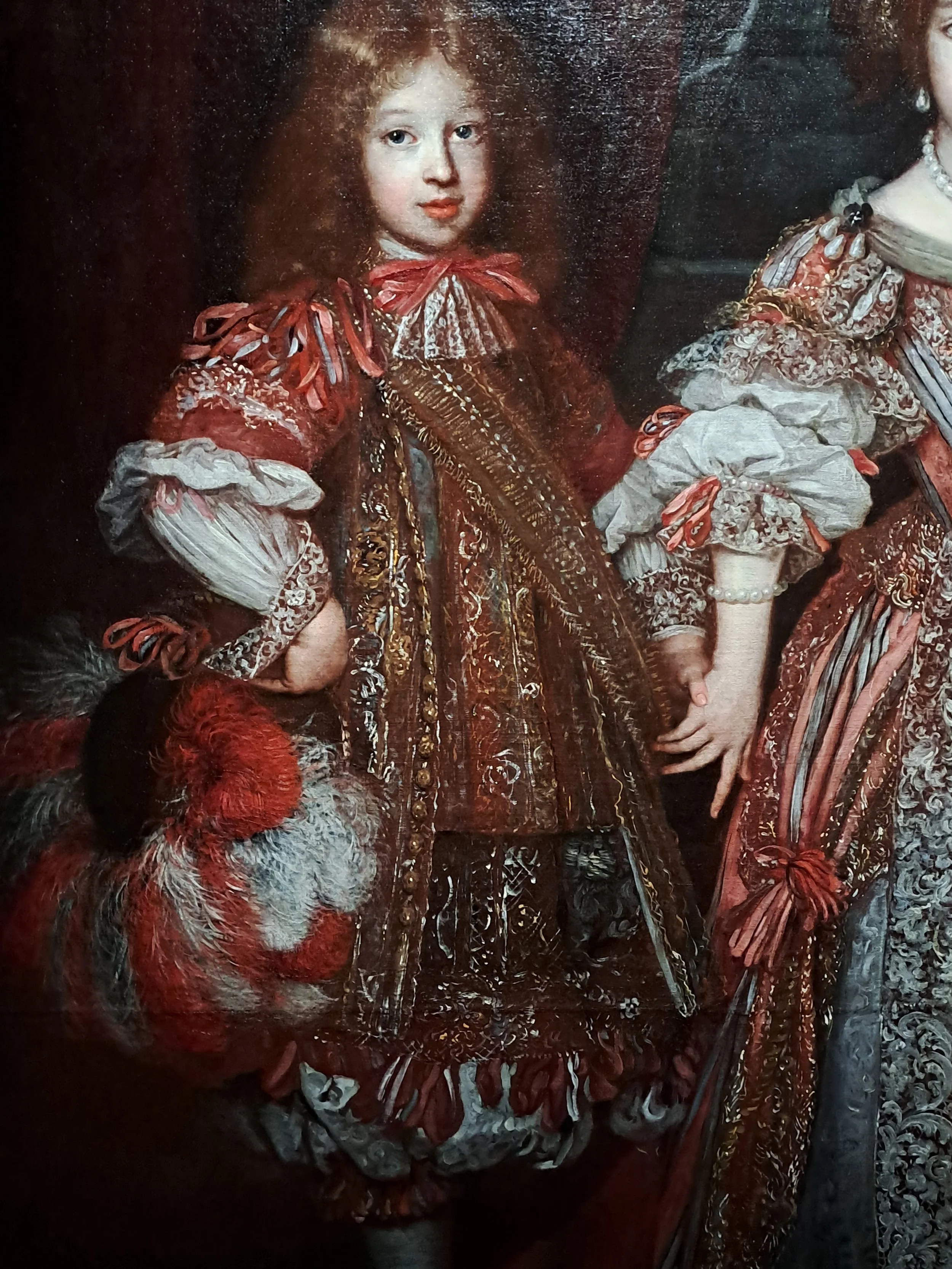
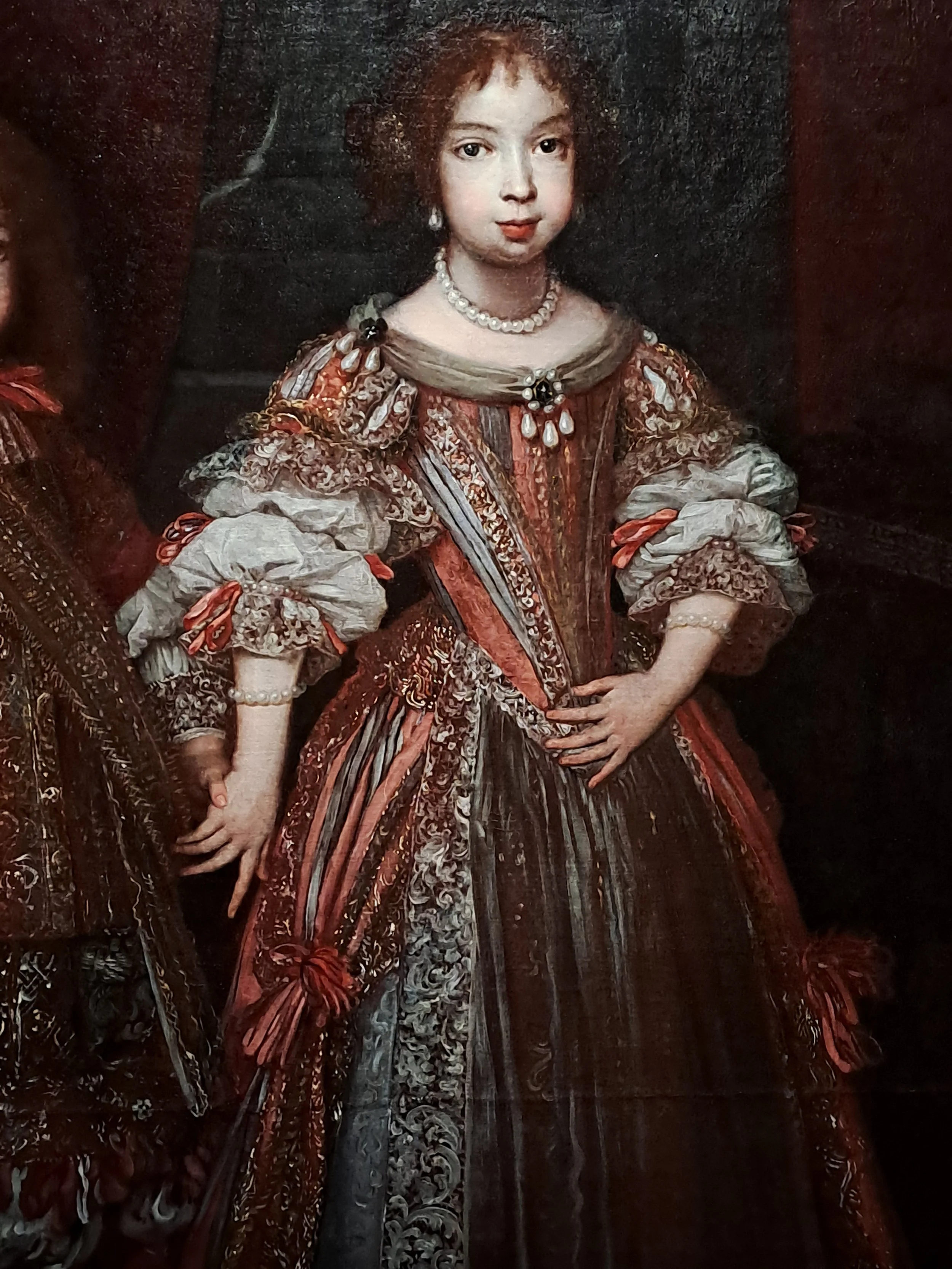
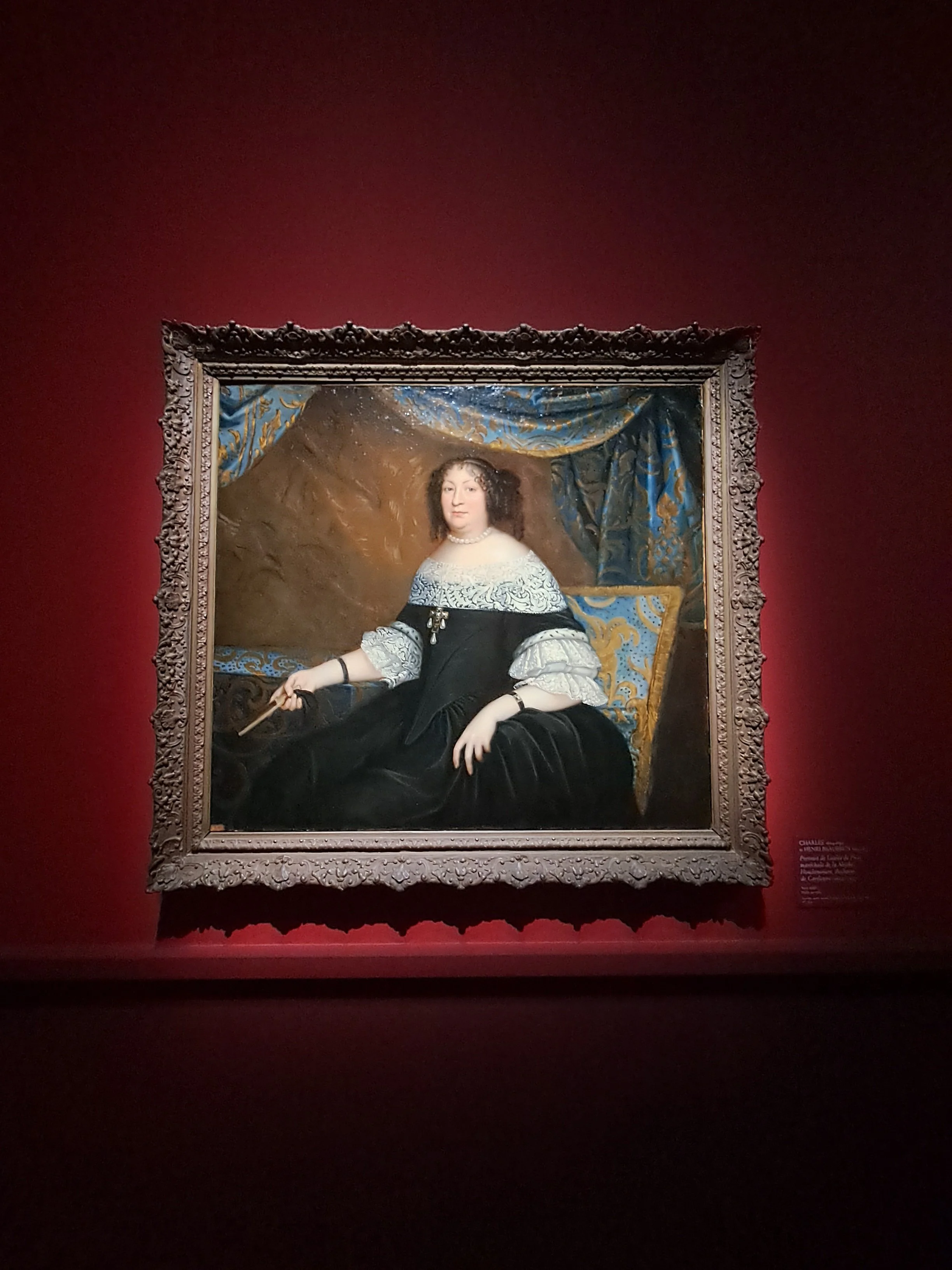
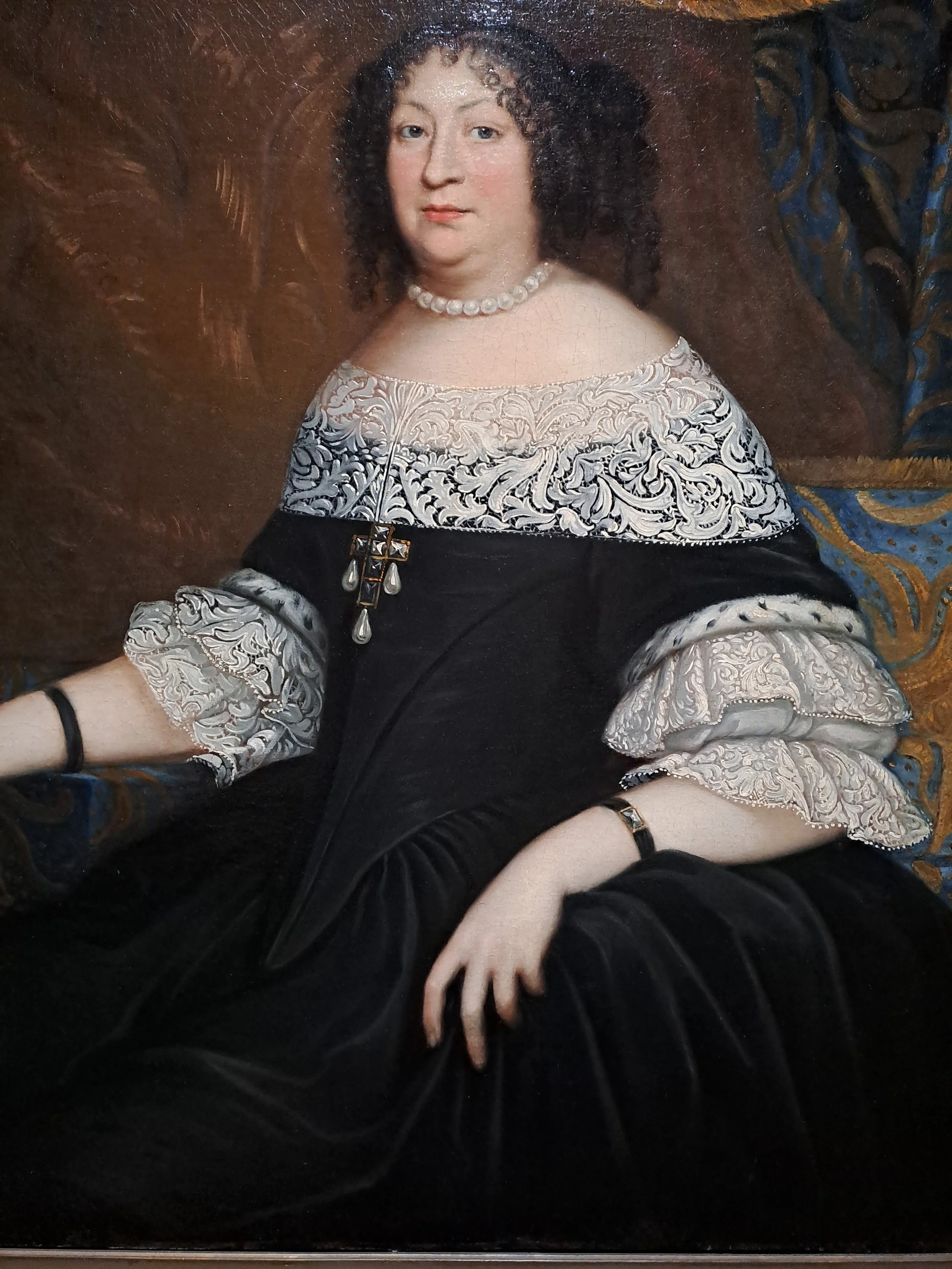
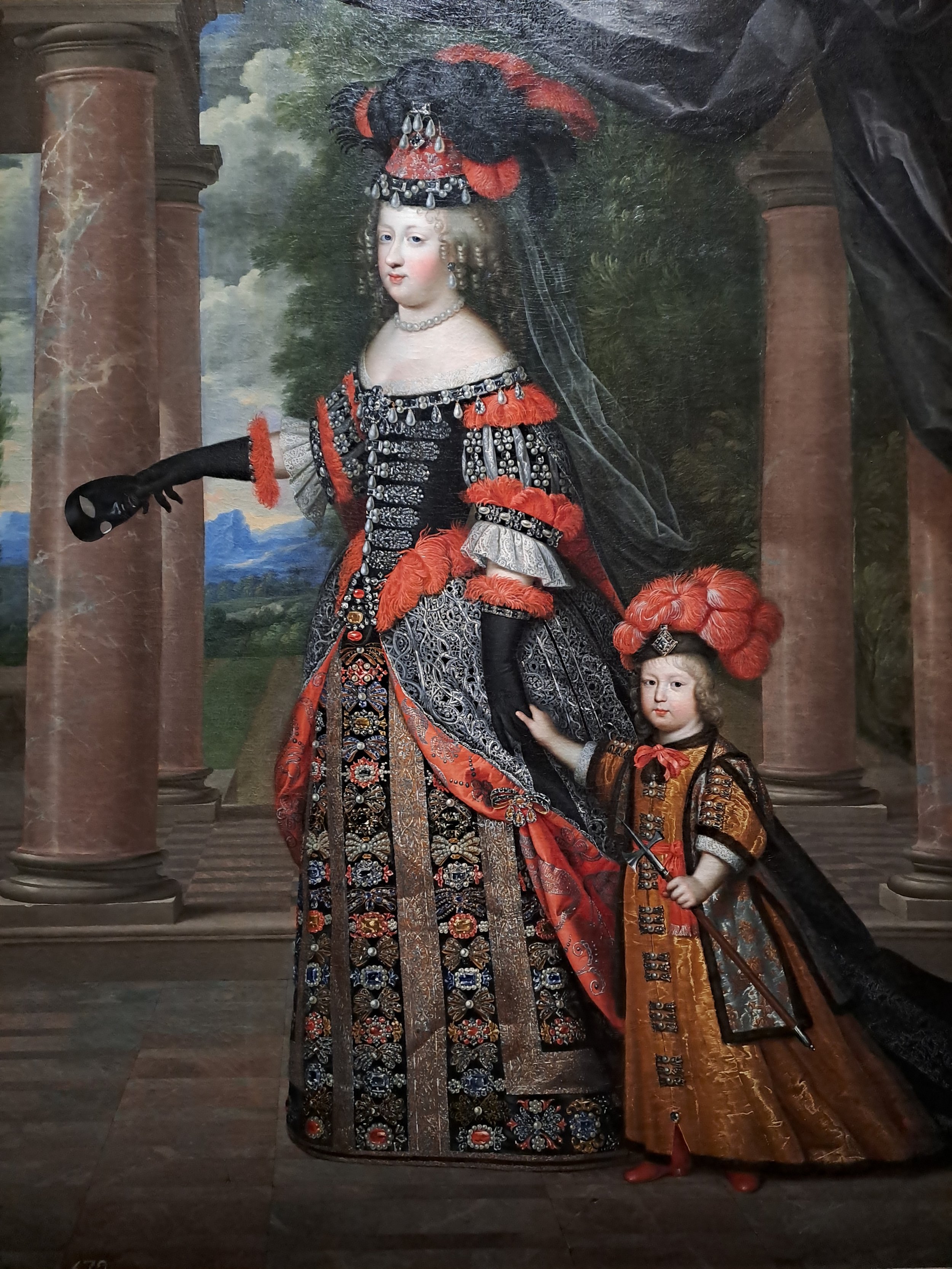
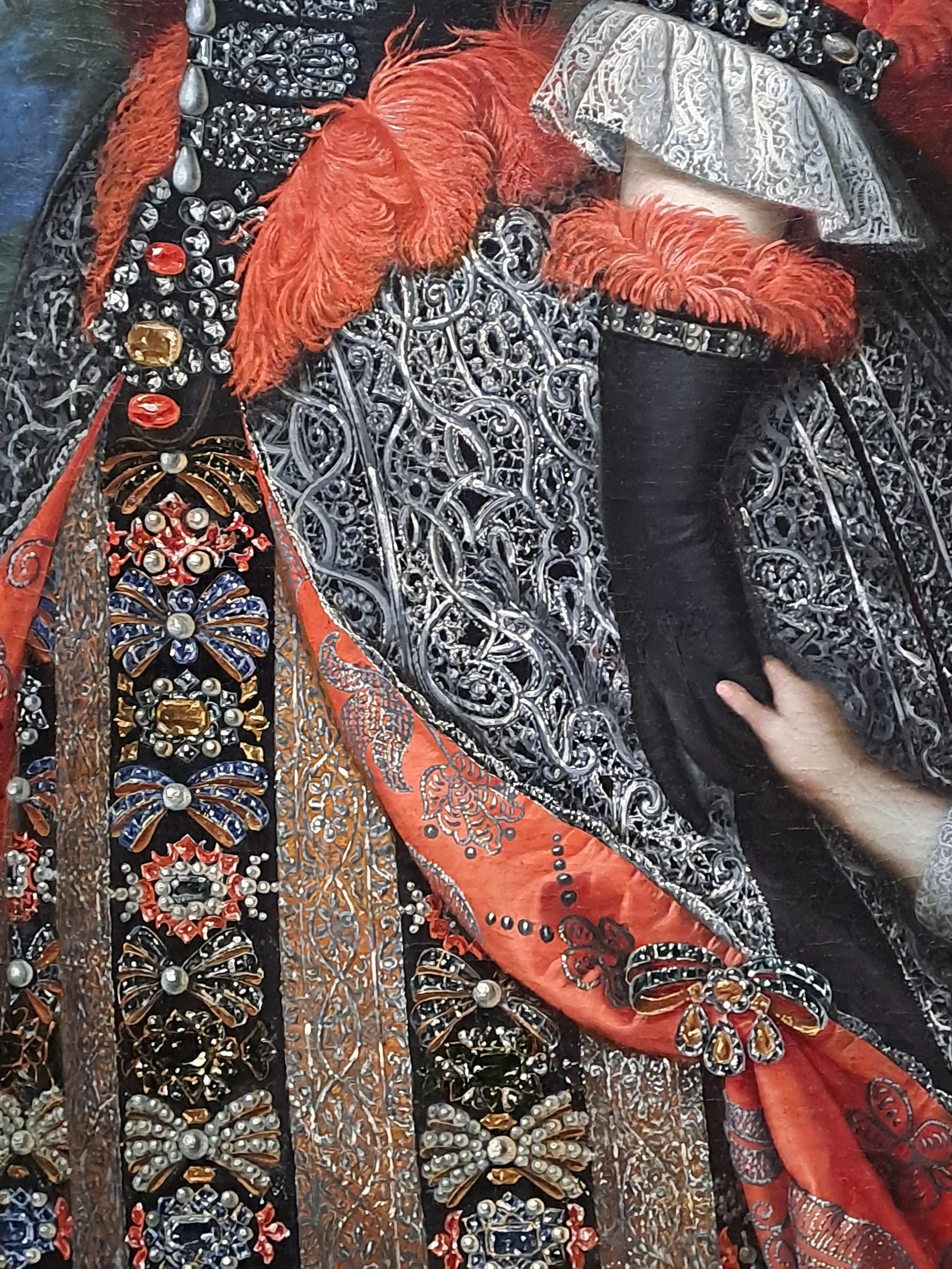
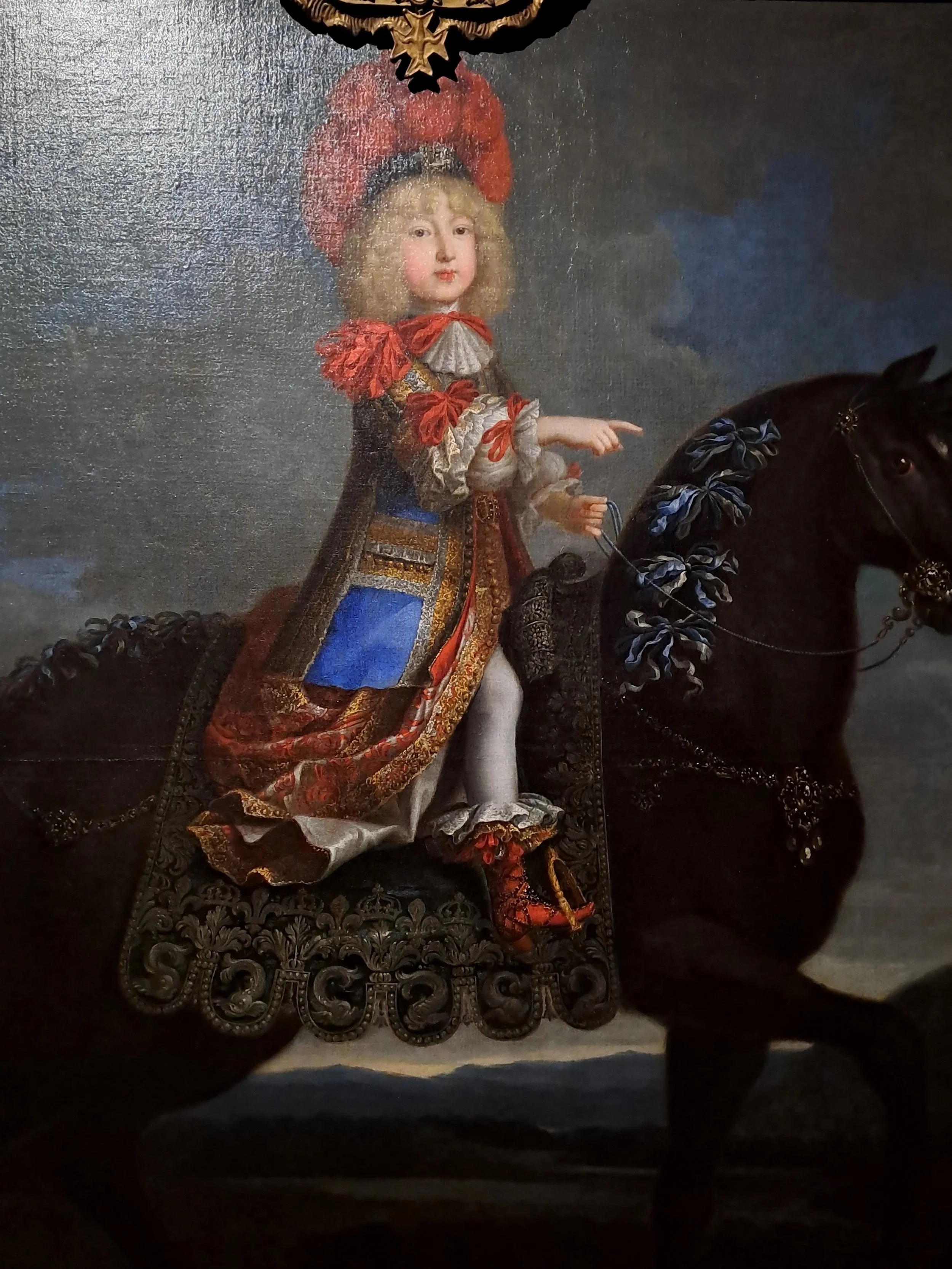
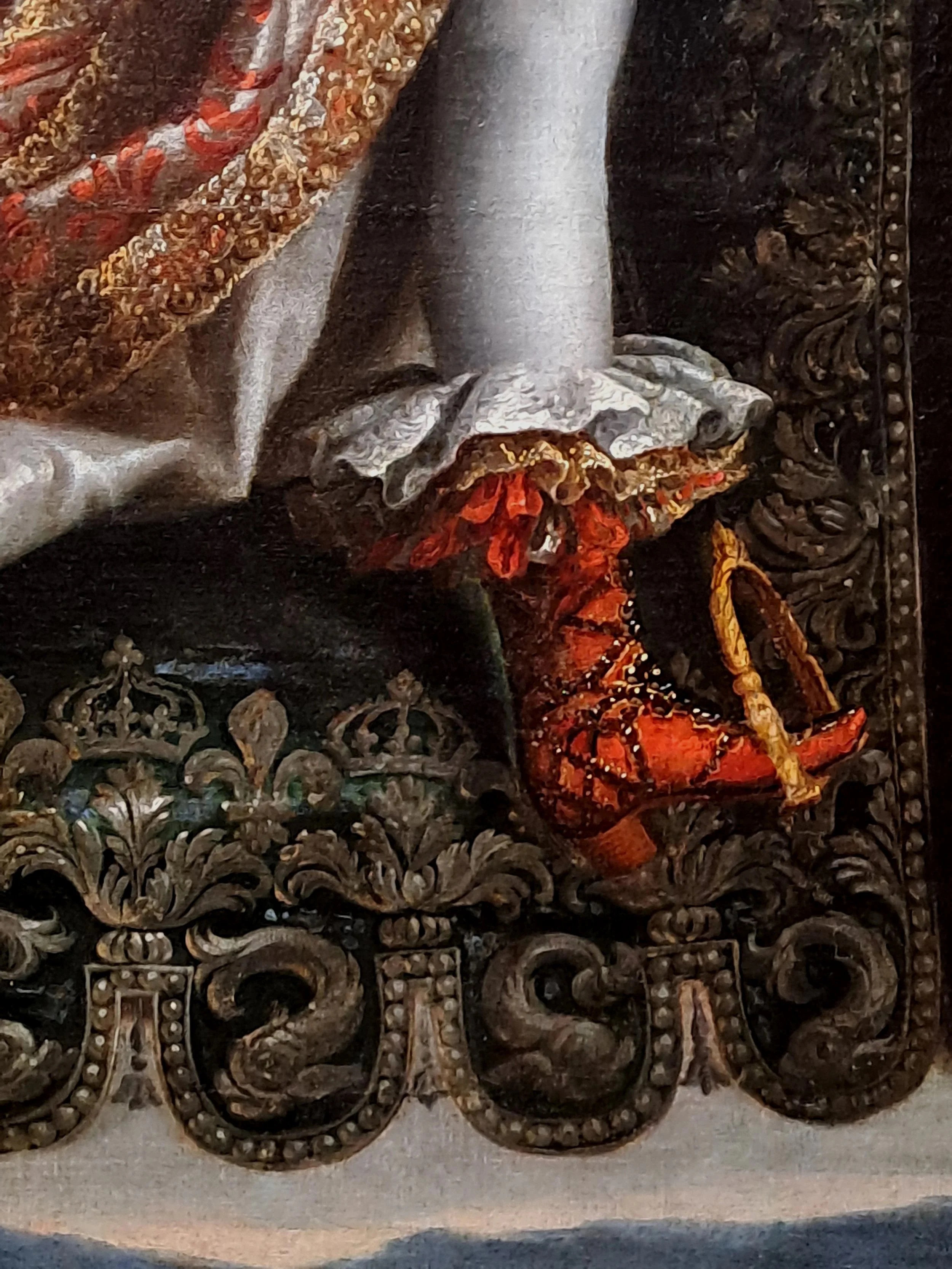
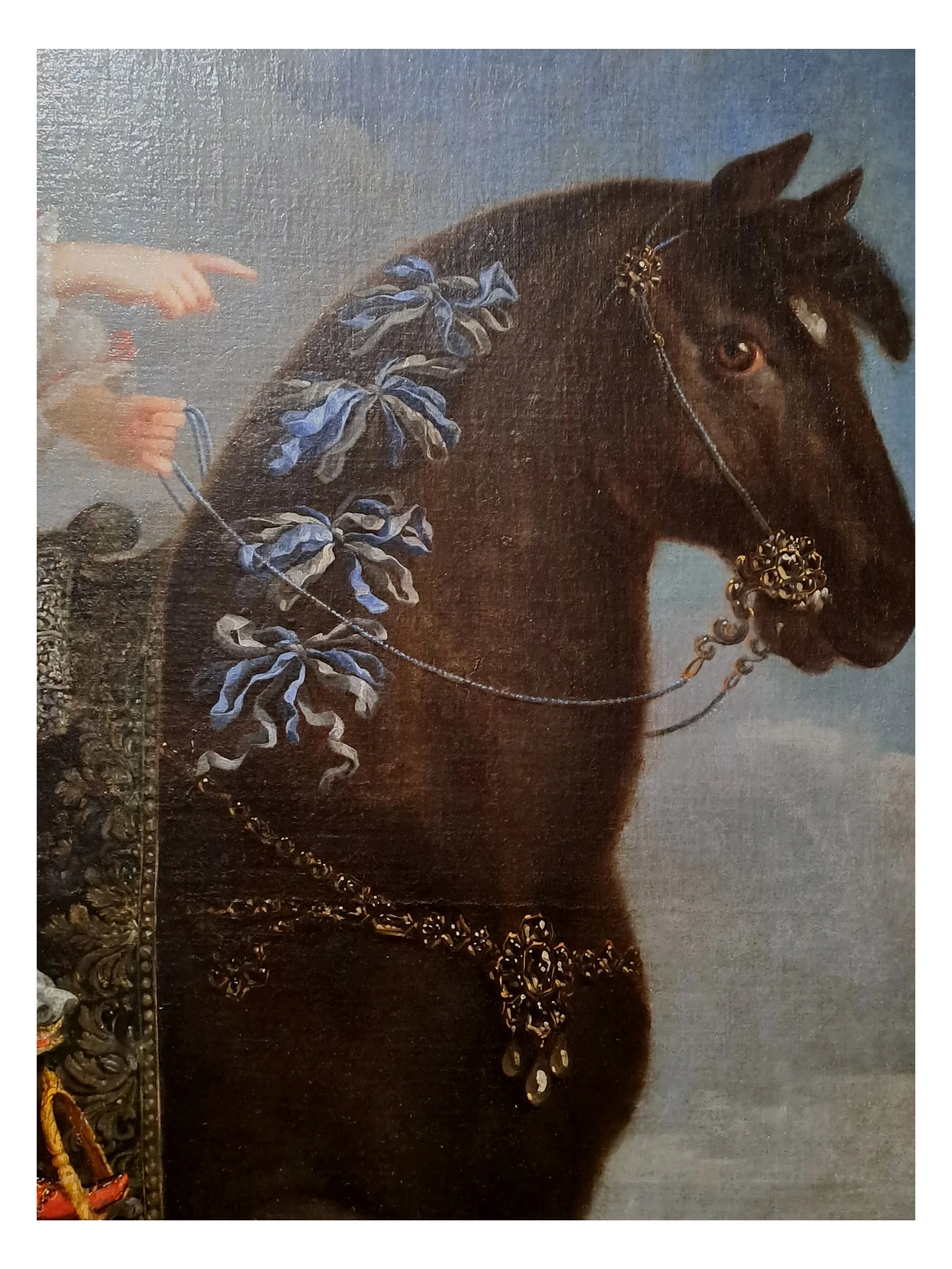
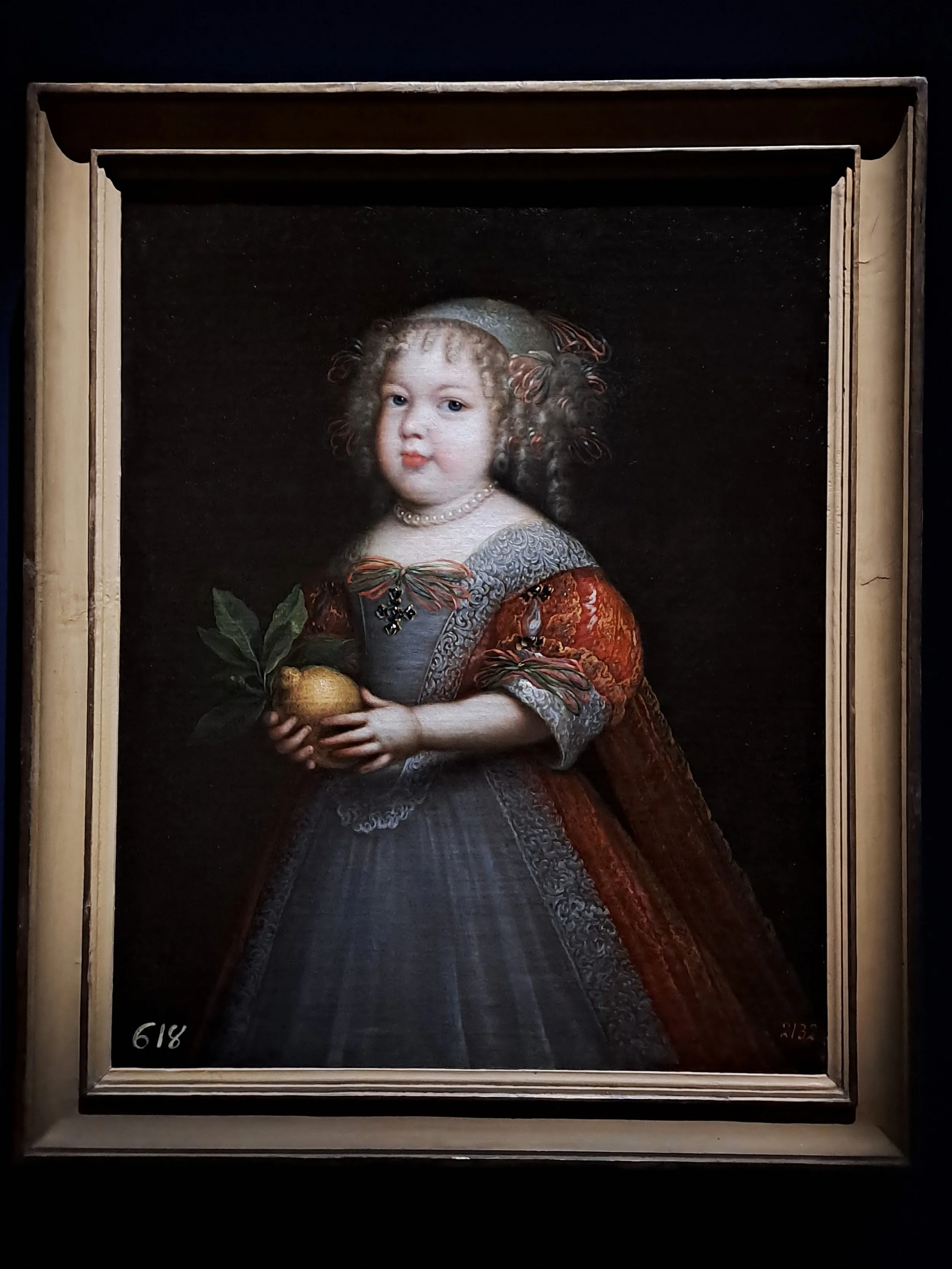
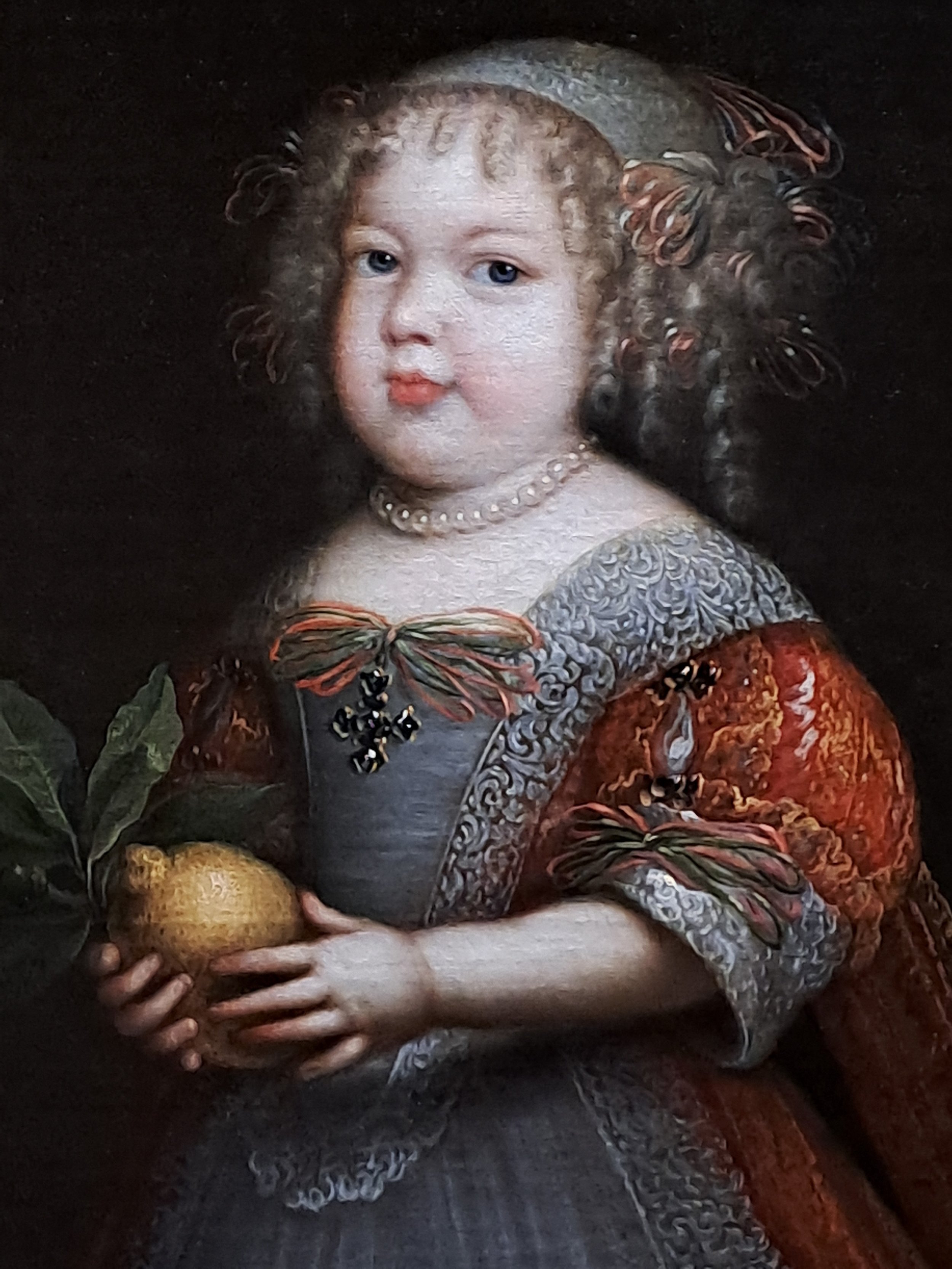
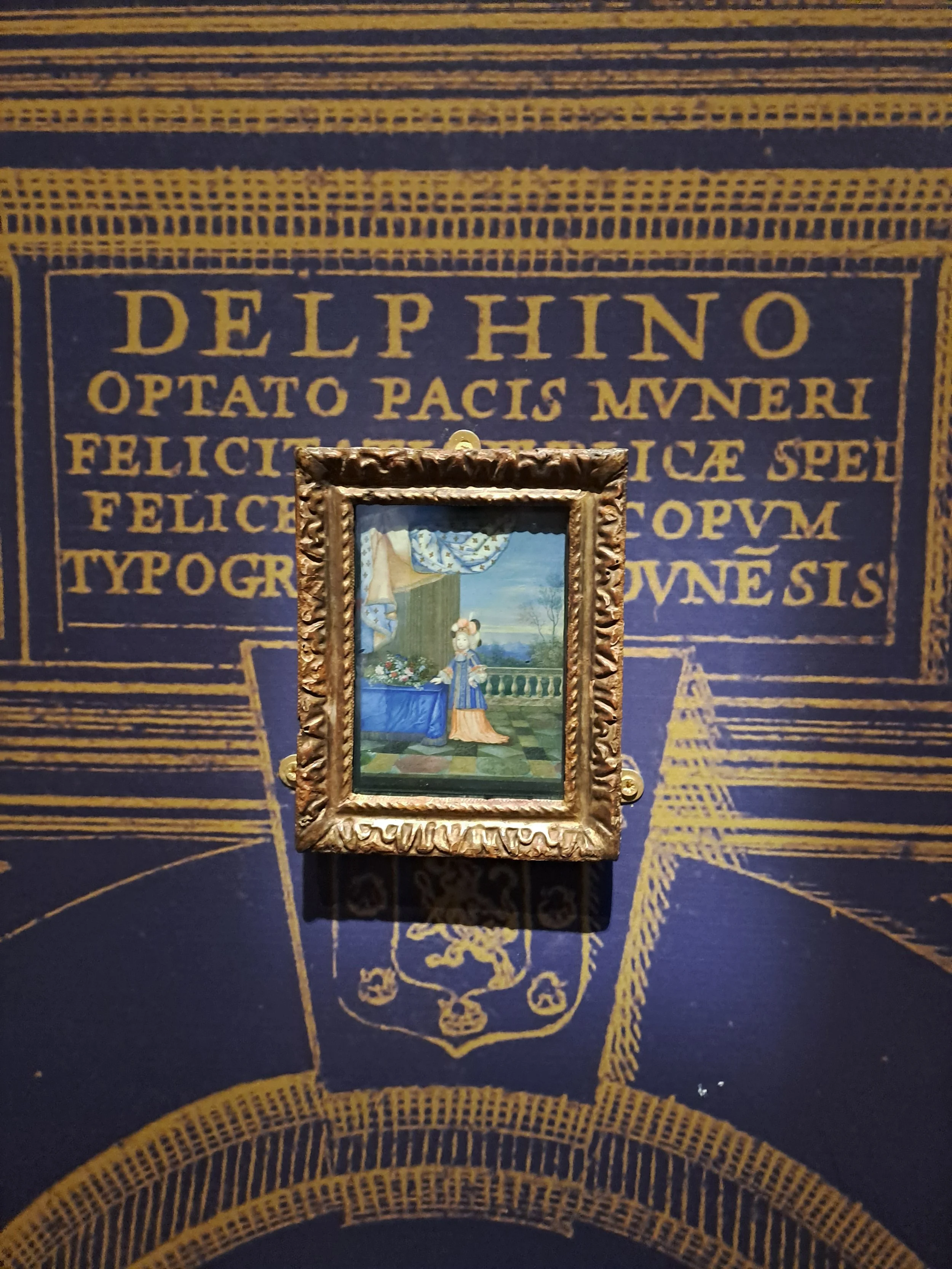
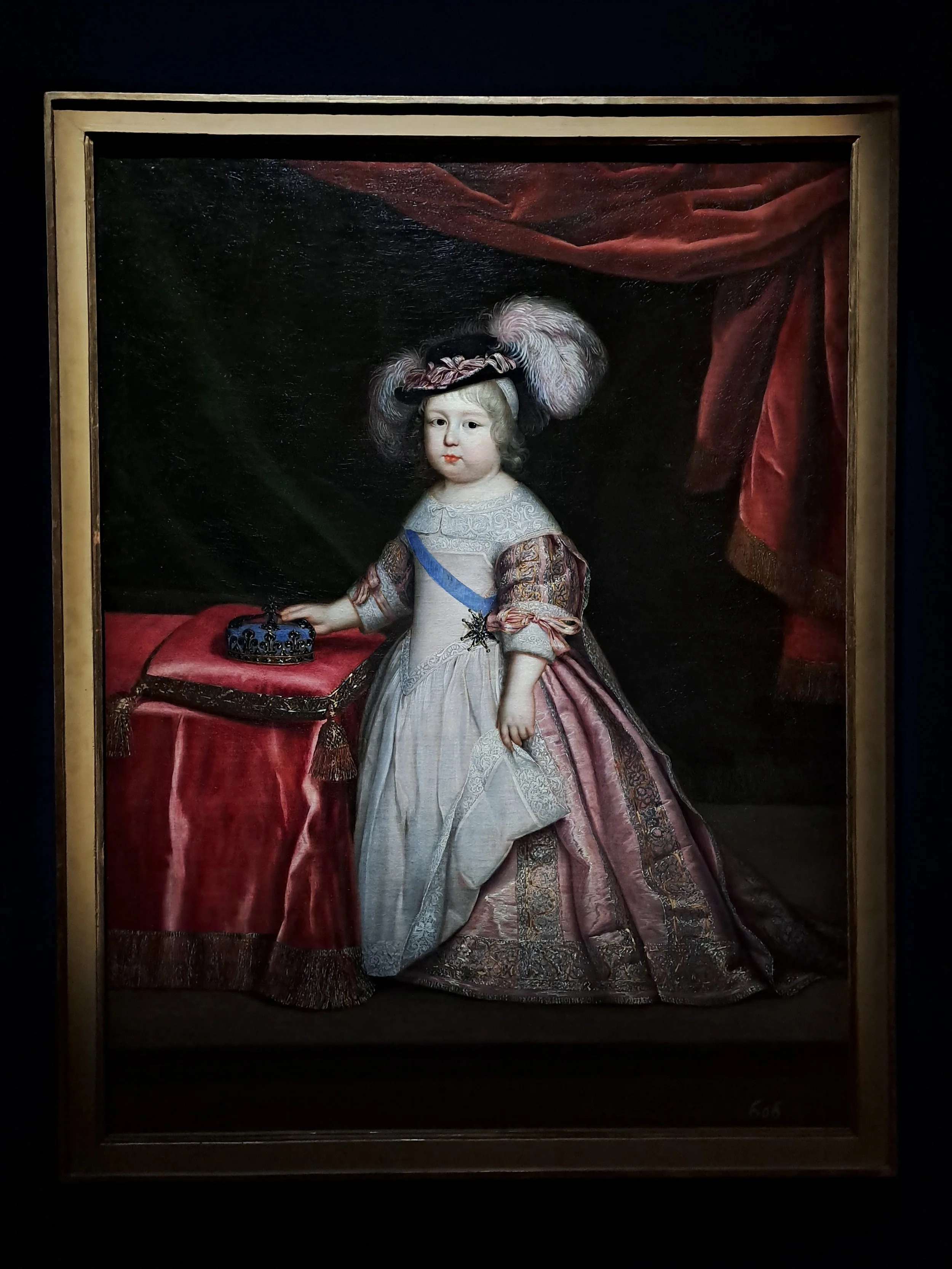
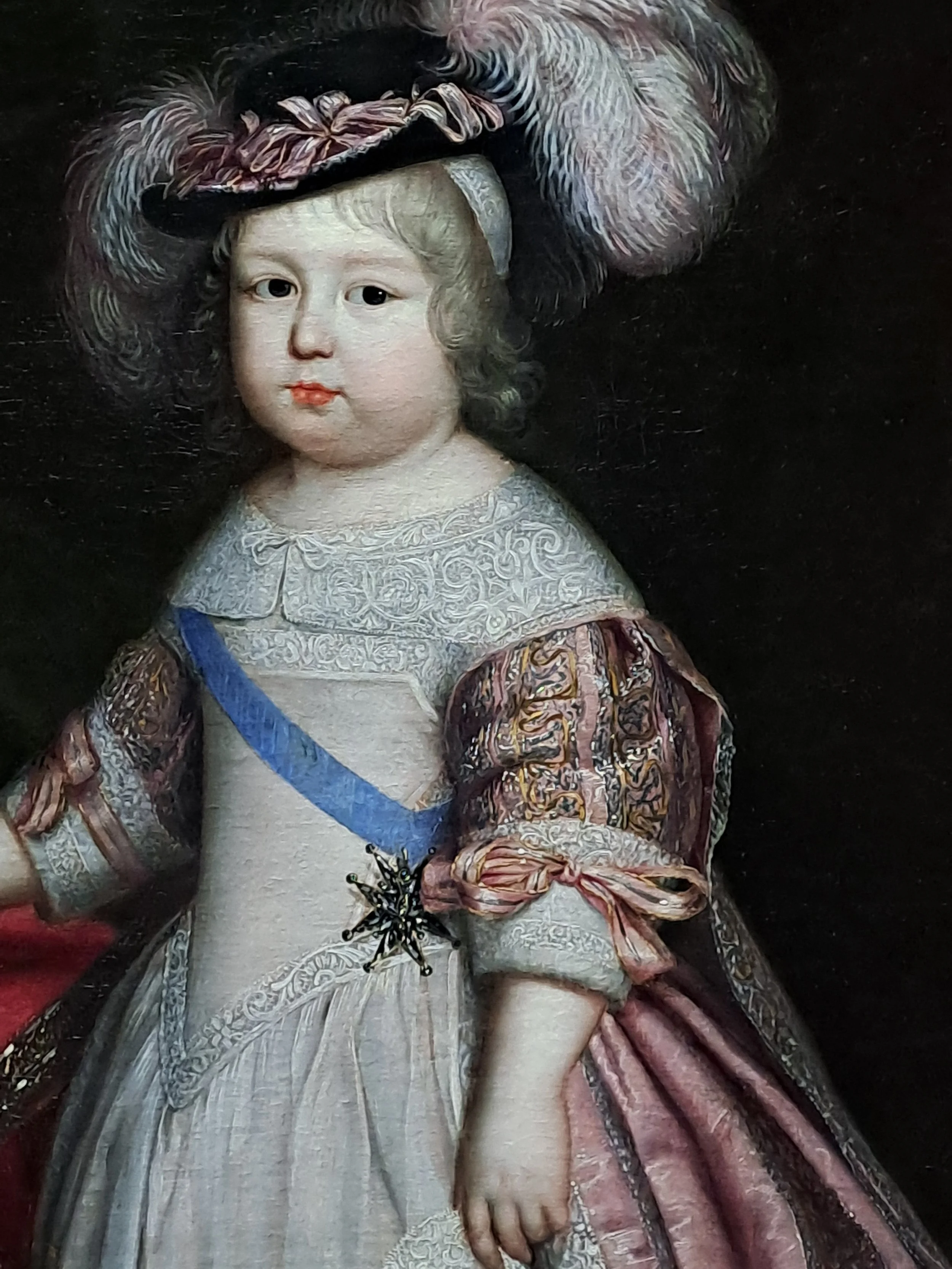
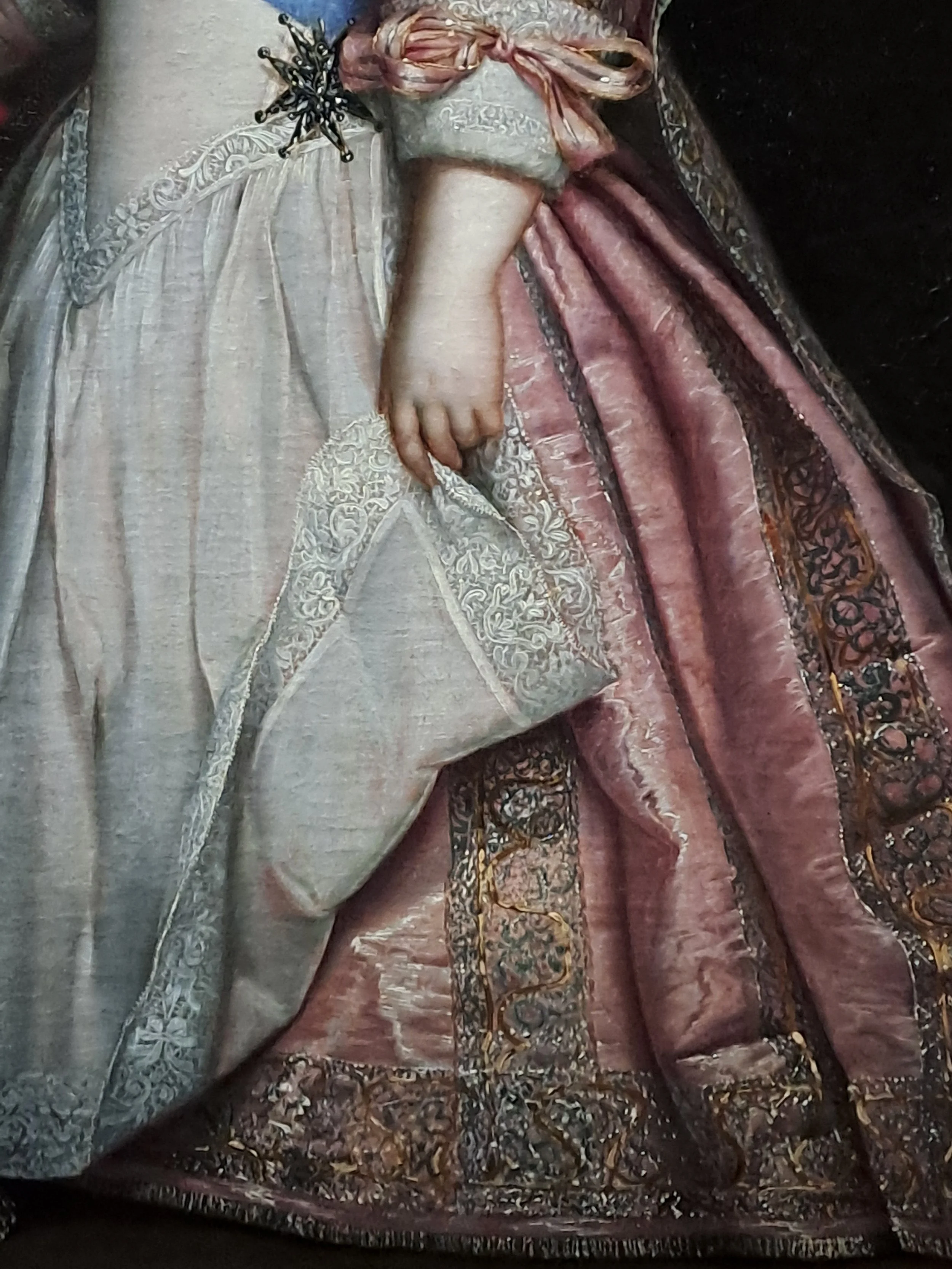
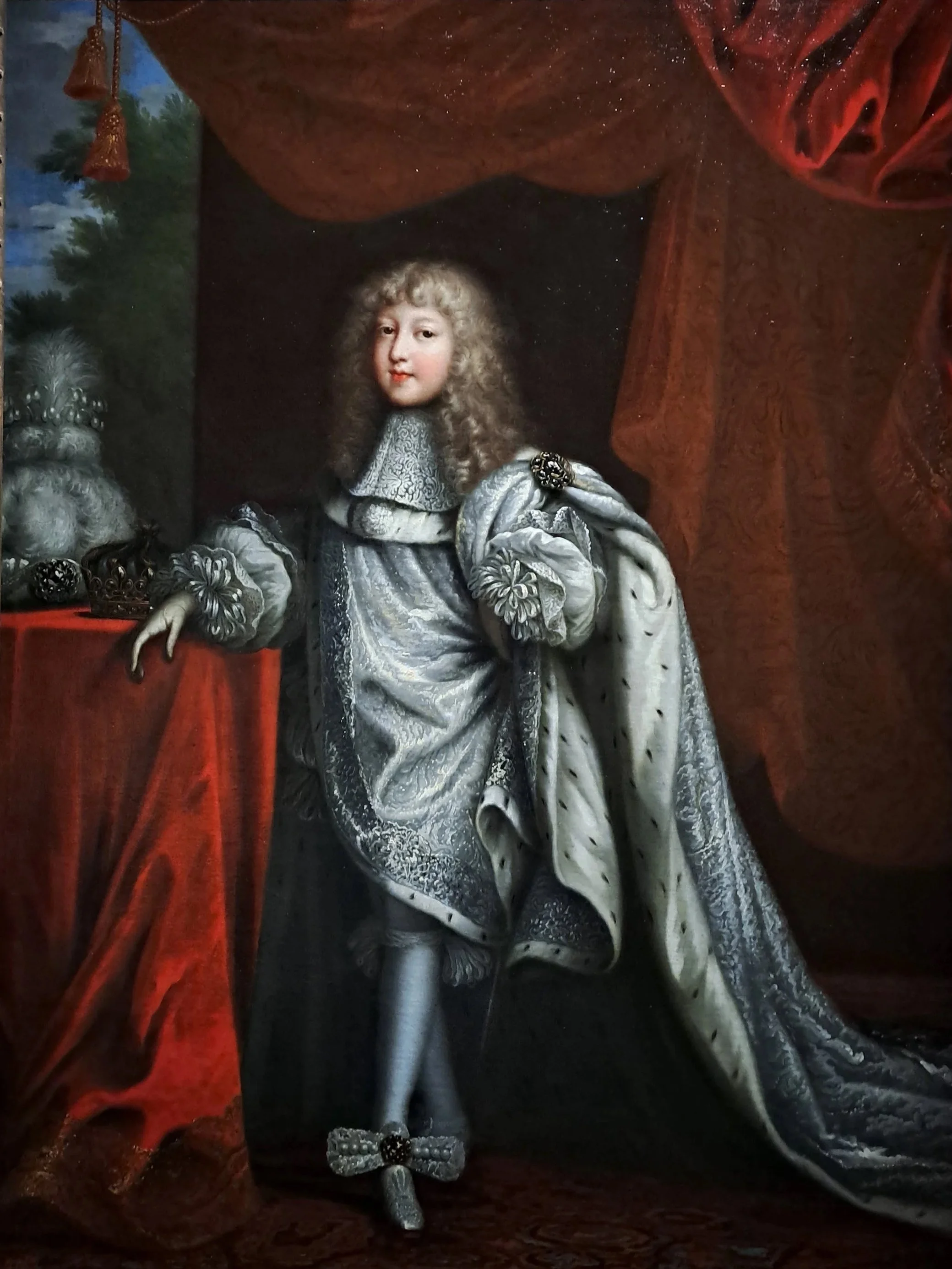
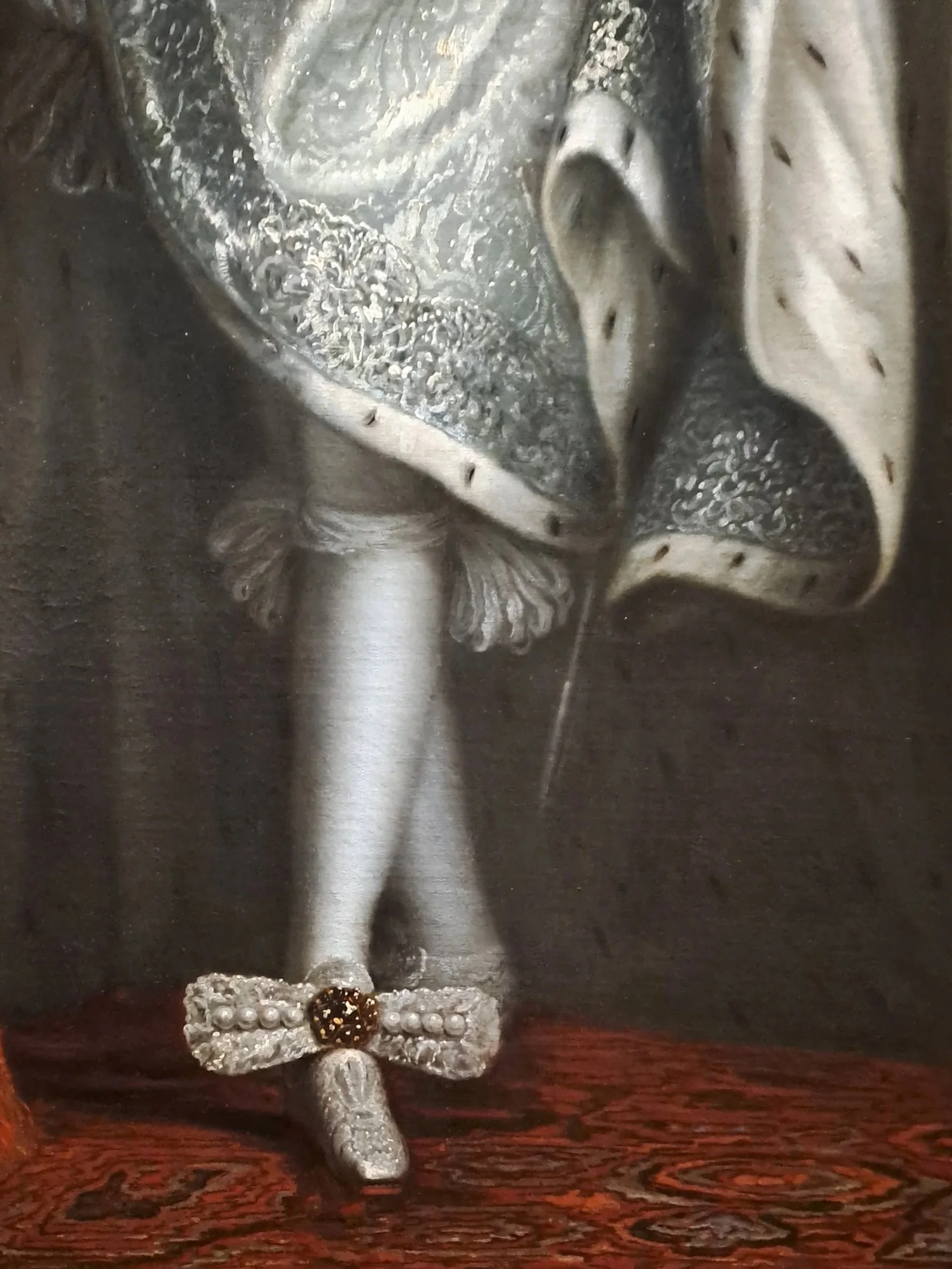
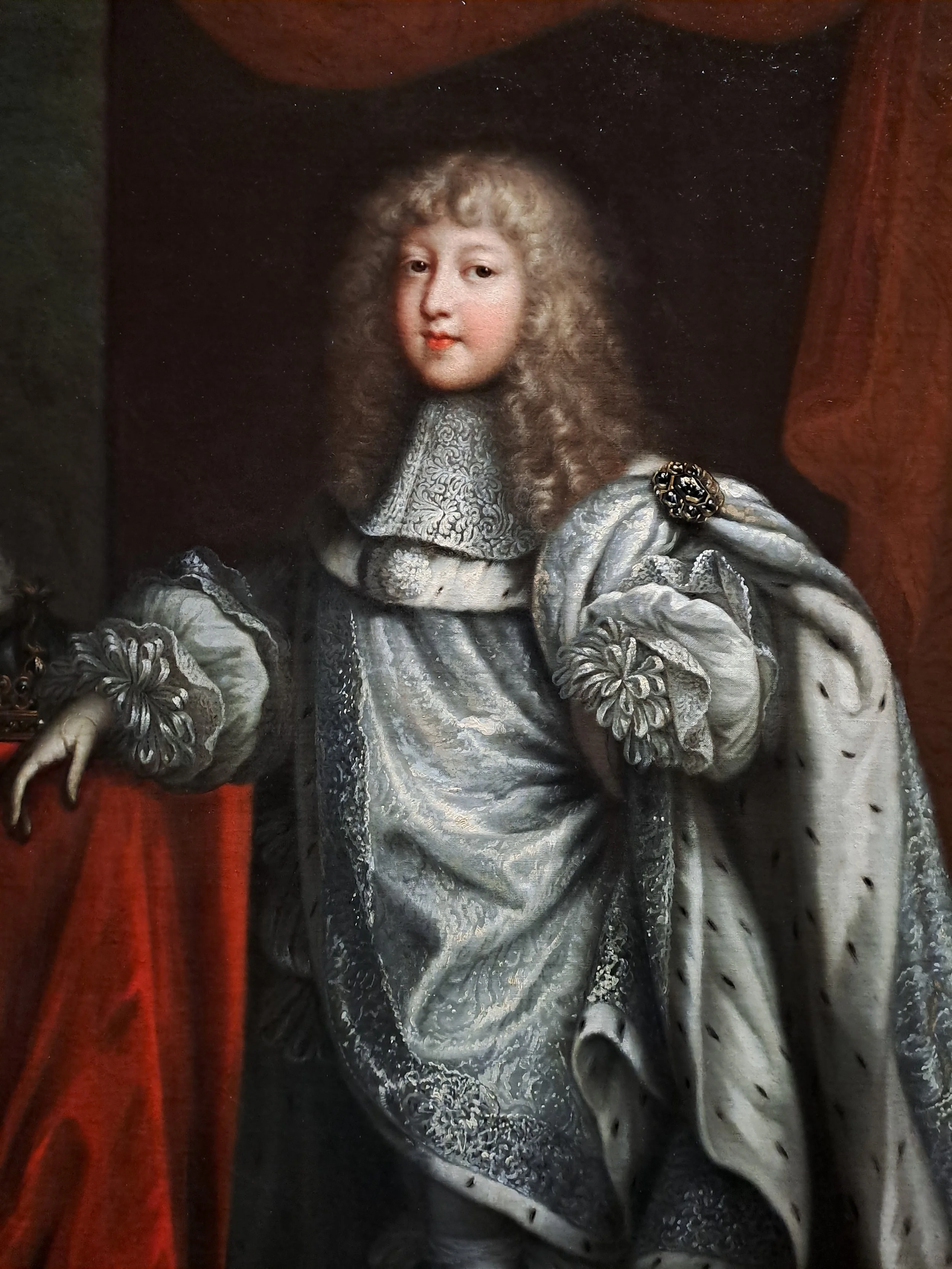
Sadly, the Grand Dauphin died before Louis XIV, and the Monseigneur never wore the crown. What remains, beautifully on display, is a life lived with inimitable Grand Siècle passion—his love of music, his fervour for hunting, his extraordinary collections, and the splendour of his royal residence at Meudon. The extraordinary portraits featured exquisite details of lace, ribbon, feathers, embroidery, embellishment, and bien sûr, swathes of luxurious French silks! Corinne expertly pointed out each masterful brushstroke, shining buckles, oceans of pearls and shimmering gold work embroidery.
If you enjoy fashion & textile exhibitions as much as me, then Textile Travels Paris is the guide for you! A digital PDF designed to help you plan your trip in advance and then easily navigate your way to textile treasures when you arrive in the City of Light. The guide is 21 pages long and organised into sections; Museums & Galleries, Studios & Boutiques, Fabric Stores & Neighbourhoods, Bookstores & Libraries, Interior Fabrics & Passementerie, Flea Markets, Classes, Events & Guided Tours. It includes a custom-made Google Map with all the wonderful listings pinned and colour-coded, making it easier to visualise the city and the distances between the places you want to visit. With 50 listings to choose from, each one includes a description of the delightful textile treasures, the website, street address and an individual link to Google Maps. Woven through the guide, there are links to Haptic and Hue podcasts that unravel fascinating stories of textiles, fashion and craftspeople that have made Paris the capital of luxury fashion and textiles for centuries.